
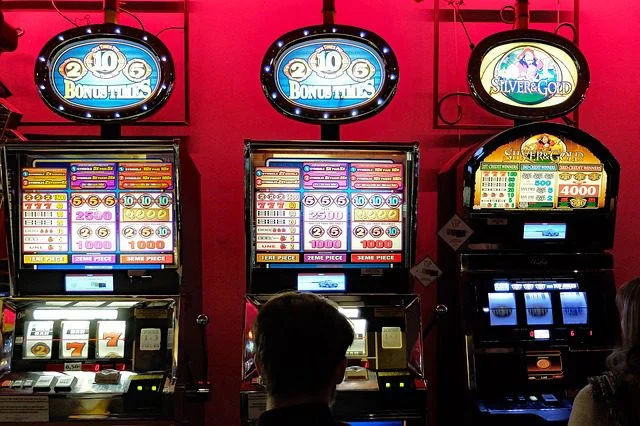
The UK’s traditional gambling venues are confronted with a dilemma that transcends the fundamental question of how much extra taxation they can bear: can they secure their future without suggesting that other establishments should shoulder the burden?
With the potential for machine games duty (MGD) to increase from 20% to 40%, there is a temptation to categorize bookmakers as deserving, in contrast to adult gaming centres (AGCs) which may be viewed as less worthy. However, Nick Rust, the former chief executive of the British Horseracing Authority and an established figure in the betting industry, is skeptical about the effectiveness of such a distinction.
“I don’t think the public really differentiates between locations on the high street where you can play machines,” he remarked. “Whenever you start attacking a subsector within your own industry, you have to think about what that looks like. Whataboutery isn’t going to help anyone.”
Warnings about the implications of a doubled MGD are increasing. Regulus Partners suggests that if the rate rises to 40%, it could result in around 1,500 betting shops remaining operational, leading to approximately 4,000 closures, 28,000 job losses, and depriving the racing sector of £92 million. According to their estimates, an average shop generates about £440,000 annually, with revenues split roughly evenly between betting and gaming machines. After accounting for costs such as salaries, taxes, rent, and racing payments, the net cash contribution per shop is around £44,000. A doubling of MGD would increase average costs by about £45,000, erasing that contribution.
The repercussions would unfold over time as leases and refurbishments take their toll, along with immediate closures. Regulus forecasts that MGD revenues for betting shops would drop by about 32%, falling to £155 million, undermining the anticipated benefits to the treasury.
Rust views these warnings as credible. “The 1,500 number rings true to me,” he stated. “This isn’t crying wolf now.” While he recognizes that past warnings from the industry may have been exaggerated, particularly regarding the impact of fixed-odds betting terminal reforms, he now emphasizes the cumulative pressures on operations, including rising general costs and media rights fees.
The Bingo Association's CEO, Nicole Barrett, also voices opposition to the proposed MGD increase. Appearing on BBC's Breakfast News, she highlighted that thousands of bingo jobs might be at risk. "Machines are an important secondary income for bingo clubs,” she explained. Buzz Bingo CEO Dominic Mansour echoed these concerns on BBC Five Live, asserting that even a 5% rise in MGD could jeopardize a third of his establishments. “It would be really, really tough for us,” he added.
Vaughan Lewis, a consultant and former Evoke executive writing for The Racing Post, emphasizes the link between the tax threat and the racing industry’s reliance on bookmakers. He contends that income from machine wagers is crucial for those shops contributing to racing through levies and media rights fees, while AGCs do not make such payments. His column warns that an increased duty could inadvertently favor AGCs while undermining the retail distribution of racing.
An anonymous industry consultant suggests that separating betting shops from AGCs in terms of their offerings is misguided. “On principle, category B machines are either OK or not OK. You can’t separate between an AGC and a betting shop which are offering the same product,” the consultant stated, arguing that the premise doesn’t hold considering player safety.
The consultant also disputes the assumption that AGCs would easily handle an MGD increase: “The idea that AGCs are going to be OK with 40% MGD is wrong – they have a bigger problem, not less.”
While Regulus has provided estimates for betting shops, they have not done the same for AGCs. Thus, any supposed benefits from displaced customers should not be mistaken for immunity from tax hikes. Furthermore, the consultant warns that if bookmakers suggest AGCs can cope with an increase, it could weaken the overall argument against the tax hike.
Rust advocates for a balanced strategy. He recalls the internal strife during the FOBT debate, where the amusement trade body BACTA criticized bookmakers, which did not yield positive outcomes.
“Will attacking another part of the industry have an impact on the public? No,” he asserted.
His concerns extend beyond the financial implications for racing. Rust envisions a future where local betting shops could vanish entirely, having already seen numbers dwindle from two to one. “I can see this becoming a town with no betting shops,” he warned, highlighting the potential loss of social venues as pubs also continue to close.
Rust raises critical points about the potential resurgence of illegal gambling should licensed venues diminish. This raises an uncomfortable issue for those opposing gambling: the notion that demand will simply vanish if licensed establishments do.
On the other hand, racing must also address its own vulnerabilities, according to Rust. He argues that the industry has overly depended on betting income without considering future alternatives.
“The stronger shared argument concerns what higher duty would actually achieve: the receipts it would generate, the businesses it would close, and where customers would go afterwards,” Rust concluded. While bookmakers and AGCs may not share identical interests, framing AGCs as capable of absorbing a tax increase could undermine the argument against it, potentially placing the future of the entire gambling high street at risk.

