
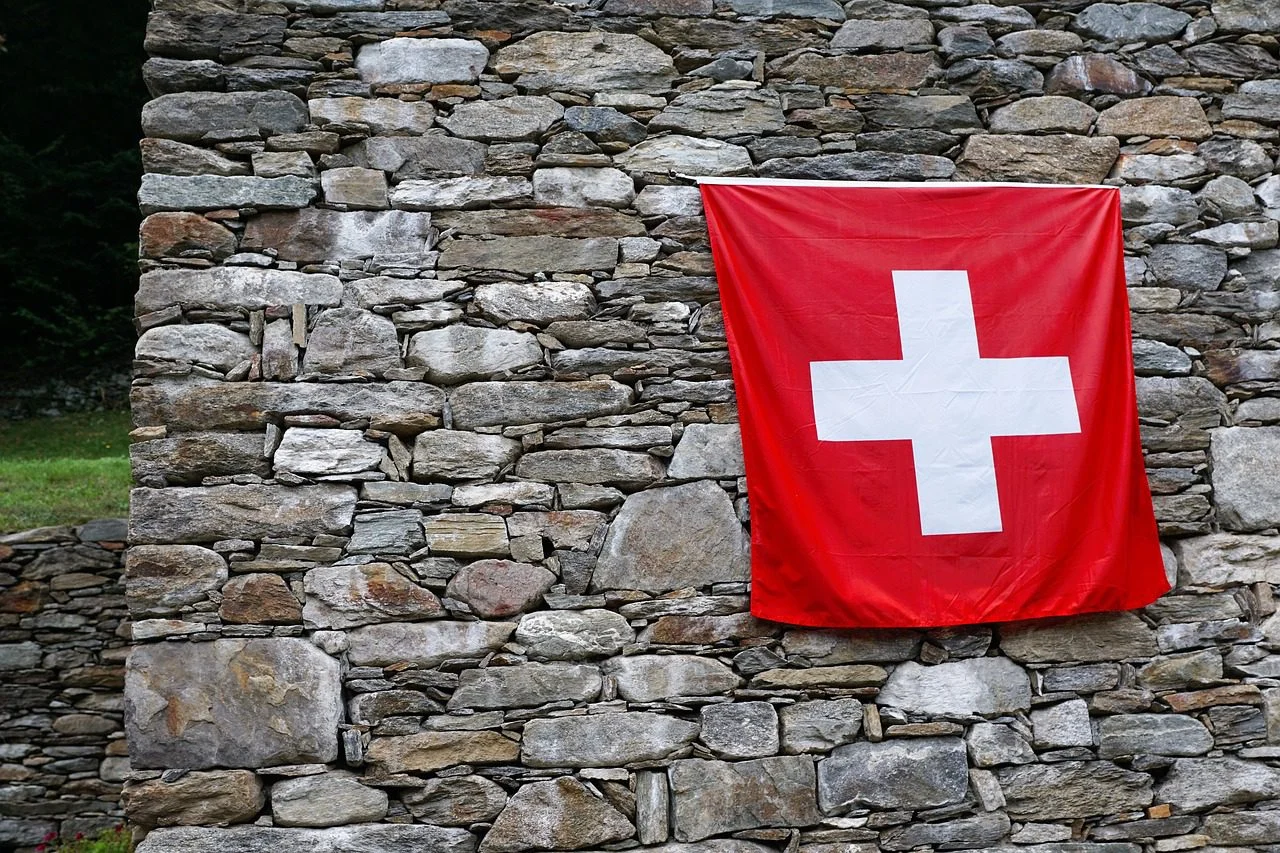
In a notable departure from legal disputes surrounding illicit gambling advertisements, Paf is collaborating with Meta on a new initiative designed to curb illegal operator access to Swiss players on Facebook and Instagram. This comes just days after the Dutch trade group VNLOK filed a court summons against Meta for similar infractions.
Starting next week, Paf, which operates under the Government of Åland and runs the prominent Swiss gambling site mycasino.ch, will launch a pilot project with Facebook. The announcement was made by Jesper Eliasson, the chief business development officer at Paf, during a panel discussion titled “Scandinavia: High Tax, High Standards, High Stakes” at the SBC Summit Lisbon, which also featured representatives from LeoVegas, FDJ United, and the Danish Gambling Authority.
Under the pilot program, Paf will provide Meta with specific data, including licensing information and URLs, to help distinguish regulated operators from illegal ones. This collaboration aims to develop a clearer regulatory framework for both operators and affiliates within Switzerland.
Eliasson described the agreement as “absolutely fresh,” noting that discussions with Facebook representatives occurred earlier that day. He met with Wolfgang Bliem, CEO of Grand Casino Luzern, which operates mycasino.ch, a site generating over €100 million in annual revenue. However, he refrained from disclosing the identities of the Facebook representatives present.
Eliasson highlighted the challenges posed by offshore operators who cleverly navigate around Facebook’s systems. The complexities of Europe’s varied licensing structures make it difficult to verify the legitimacy of claims made by these operators. “The licence may come from somewhere else, and it can be hard to detect in that mess of jurisdictions,” he explained. Paf's goal is to establish a model in Switzerland that could be adapted for use in other jurisdictions.
The choice of Switzerland for this initiative holds personal significance for Eliasson, who oversees Paf’s operations in the region and manages its partnership with Grand Casino Luzern. “For me, it’s a business question about growing further in the market,” he said. Established in 2019, mycasino.ch quickly grew to become a market leader, holding over 30% of share within just 16 months, prompting Eliasson's desire to shield it from unlicensed competitors.
Paf’s investment in this pilot consists solely of time and dialogue, with plans to involve the Swiss regulator in the process. Eliasson expressed a desire to connect Facebook with regulatory authorities, hoping to foster a cooperative environment.
The announcement received a reserved response from the audience, with Eliasson remarking, “I don’t think they believed it. Normally you sue Facebook.” Nevertheless, given the significant investments Paf makes in acquiring customers on Facebook, Eliasson expressed confidence that Facebook shares the interest in mitigating illegal activities on its platform.
Eliasson further cautioned against strict regulations that might drive customers to unregulated alternatives. He pointed to existing weaknesses in Swiss regulations, such as the absence of effective payment blocking and monopolistic practices in sports betting that inadvertently push consumers to seek better odds elsewhere.
Although Eliasson acknowledged the uncertainties surrounding the project, he remained optimistic about the potential for success, stating, “I’m not sure whether we’ll succeed, but I’m 100% sure we’ve succeeded with the first step.” Should the pilot not meet its goals, he indicated that Paf is prepared to rework the approach and explore different avenues.
Eliasson reiterated his commitment to ongoing collaboration with Facebook to combat illegal gambling operators, affirming, “We have good conversations, and they don’t want illegal operators,” while expressing hopes for the initiative to serve as a template for expanding similar efforts across Europe if successful.

