
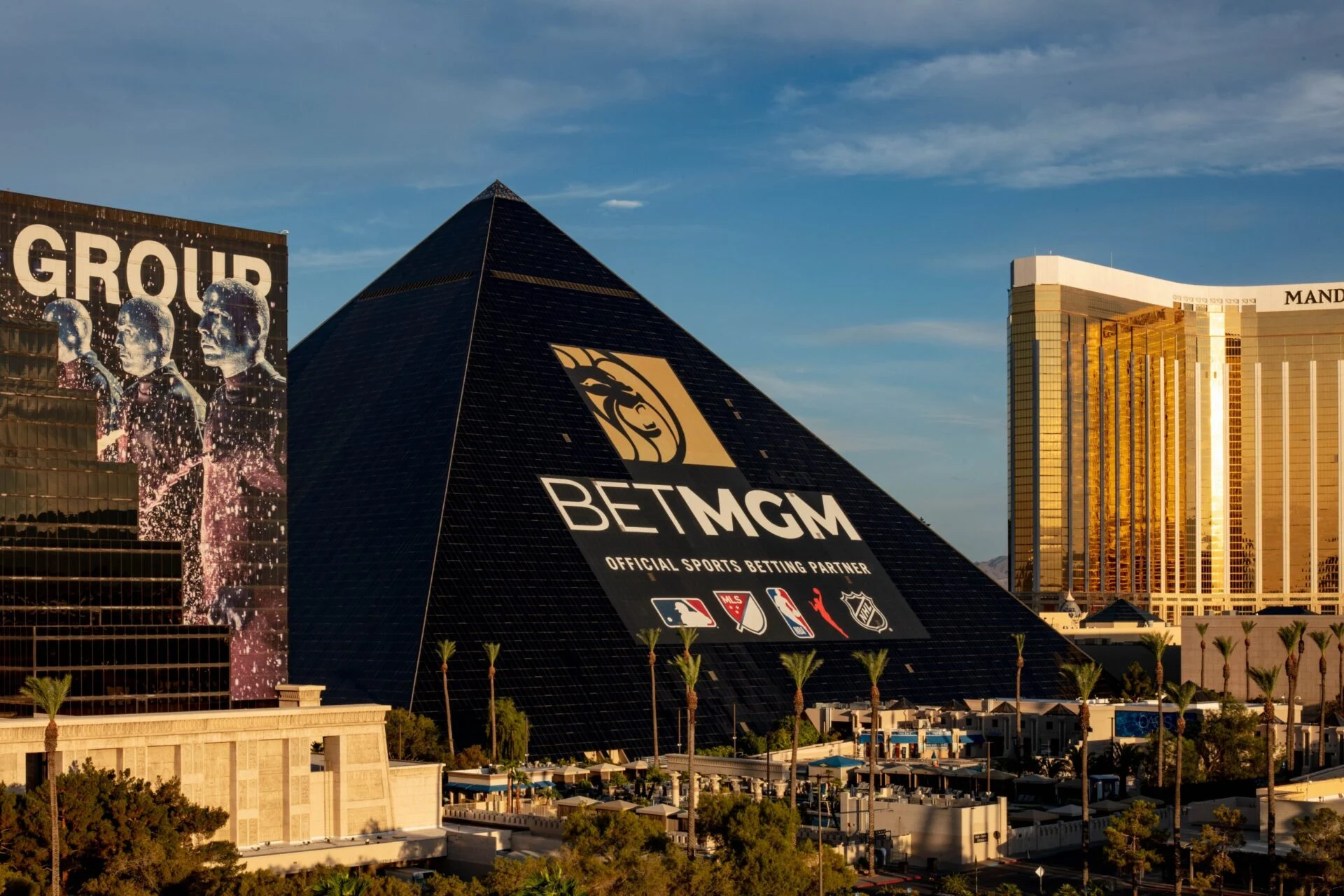
On Wednesday, MGM Resorts announced that an $18 billion takeover proposal from its major shareholder, Barry Diller's People Inc, which had been submitted in June, has been withdrawn. Both MGM and People Inc stated their confidence in MGM's capacity to operate successfully as an independent entity.
After the news, shares of People Inc remained largely unchanged during Thursday's trading, while MGM's stock fell by 11%, landing around $33.50. Diller's initial offer aimed to purchase the 73% of MGM shares that People Inc did not already own at a price of $48.30 per share. Following the announcement of the bid, MGM's stock rose to that level, but over the course of the past month, shares have decreased nearly 25%. Had the acquisition proceeded, MGM would have been taken private under People Inc's public umbrella.
When the proposal was first presented, the 84-year-old Diller praised MGM's substantial assets against a backdrop increasingly influenced by technology and AI. Although the merger did not materialize, Diller expressed that People Inc remains "open to" future conversations regarding MGM.
"A lot of factors contribute to such proposals moving toward completion," Diller explained. "We didn’t feel that the blend was aligning as we anticipated, so we have chosen to step back from pursuing the privatization of the company for now."
In a contrasting statement, MGM Chairman Paul Salem conveyed that the board is "excited" to advance MGM’s agenda as an independent company. He highlighted MGM's strong position in Las Vegas, quality regional assets, and the growth of BetMGM as indicative of the value it provides to shareholders. Salem also pointed to MGM's resilience in markets such as Macau and its impending MGM Osaka project, which is set to debut in 2030.
Analysts responded to the development with restrained optimism. Chad Beynon from Macquarie maintained an "Outperform" rating for MGM, while Barry Jonas of Truist held a "Buy" rating, with both analysts setting a target price of $55.
Beynon's analysis suggested the financial hurdles tied to executing such a large deal were pivotal in its collapse. He asserted, "the outcome was influenced by financing intricacies rather than any variation in MGM's core worth." He remarked that MGM's implied enterprise value of approximately $5.9 billion represents a significant discount given its broad spectrum of land-based and digital assets.
Beynon also noted the current challenges in the US financial environment, where inflation persists and the Federal Reserve has recently elevated interest rates for the first time in three years, with further increases anticipated by year-end. Additionally, US Treasury yields are rising, reaching a 30-year high not seen since 2004, according to CNBC.
Financing costs were also vital in Fertitta Entertainment's acquisition of Caesars Entertainment, valued at $17.9 billion, which parallels the proposed MGM acquisition. Fertitta maintained its $31-per-share bid partly due to financing issues associated with the $6.6 billion deal, while company officials indicated their wait for a more favorable lending situation, a scenario that has yet to arise.
Jonas commented that the cancellation of the MGM deal was unsurprising, given the dip in the company's shares relative to the proposed offer. He mentioned that the regulatory complexities surrounding a gaming giant like MGM may have overwhelmed People Inc, especially without a diversified gaming portfolio.
Looking ahead, MGM faces several challenges and opportunities as it moves forward independently of Diller. The company has seen strong performance in its luxury offerings in Las Vegas, but its budget properties have encountered difficulties. In its latest quarter, MGM reported $2.2 billion in revenue from Las Vegas, with an adjusted EBITDA of $735 million. However, executives faced scrutiny regarding the overall market pace.
COO Ayesha Molino shared insights on the luxury segment's resilience, stating that while high-end properties thrive, budget casinos like Luxor and Excalibur are experiencing setbacks.
On the regional front, MGM achieved a record same-store quarterly revenue of $904 million during the second quarter. Its Maryland location, MGM National Harbor, is expected to benefit from a new Sphere venue being constructed nearby, although it won’t open until 2030. In Massachusetts, MGM Springfield faces heightened scrutiny following a lawsuit from Springfield concerning breaches of a host community agreement. Last year, MGM also withdrew its application for a full commercial license at its Empire City racino in New York.
In terms of digital strategies, MGM's BetMGM venture with Entain has established a strong presence but may soon face pivotal decisions. BetMGM has avoided entering prediction markets amidst concerns for MGM's casino licenses, unlike competitors such as FanDuel, DraftKings, and Fanatics.
In Asia, while MGM China has shown stability in Macau, attention is heavily focused on the MGM Osaka development, which remains the only gaming project licensed in Japan but is still four years from completion. As Japan prepares for another round of licensing bids next year, increased competition could arise in the market.

