
A recent study from the University of Bristol reveals that, despite a new voluntary ban on front-of-shirt betting sponsorship for the 2026/27 Premier League season, gambling advertising continues to saturate the sport. The investigation recorded a staggering 15,571 gambling messages during the opening weekend, representing only a 10.5% decrease in visibility compared to previous seasons.
This marks the first season in which Premier League clubs have been barred from featuring front-of-shirt gambling sponsors. Dr. Raffaello Rossi, the lead researcher, stated, "This cannot be presented as a success for self-regulation."
The research team scrutinized every Premier League match broadcast in the UK from August 21 to 24, alongside 15 hours of coverage from Sky Sports News and 15 hours from TalkSport radio. The analysis also included organic and paid social media promotions from the ten largest gambling brands active on social media.
The report's findings are slated for presentation to the UK Parliament on Wednesday.
Despite the ban on shirt sponsorships, the presence of gambling messages has simply shifted to other formats during matchdays. The study highlights that viewers saw at least one gambling message for a cumulative total of five hours and sixteen minutes during the broadcasts, translating to nearly one-fifth of the coverage time being dedicated to betting promotions.
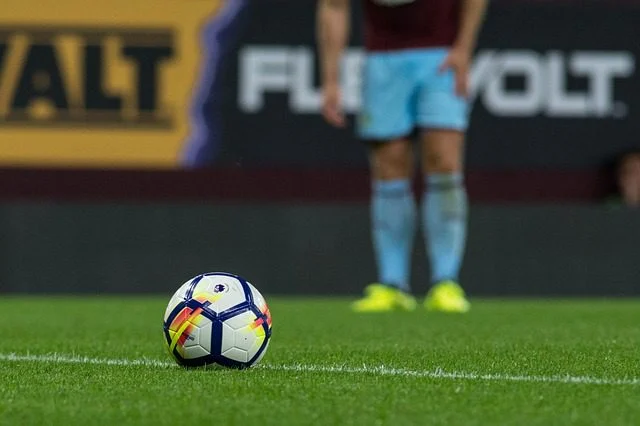
Pitchside advertising accounted for the majority, comprising 72% of all messages observed at live matches, while branding on team sleeves and training attire soared to levels more than three times higher than in previous seasons. Rossi noted that the amount of gambling-related messaging per game during Premier League broadcasts outstrips that seen in comparable markets such as Germany, Canada, and the United States.
Digital advertising plays a significant role as well. The study uncovered over 1,000 paid advertisements on platforms like Facebook and Instagram, reaching an estimated 153.2 million UK accounts, with those aged 18 to 24 making up over 10% of that audience. Alarmingly, 93% of identified gambling marketing was not clearly labeled as advertising.
Peter Shilton, a former England goalkeeper and patron of the project, expressed concern over how prevalent gambling has become within the sport. "When gambling is so visible throughout the game, it risks making betting feel like a normal part of being a football fan or player," he said. "We are not at all anti-gambling but believe more needs to be done to reduce the amount of gambling advertising especially around the young."
Sir Iain Duncan Smith, co-chair of the All-Party Parliamentary Group for Gambling Reform, commented, "These findings are further evidence that the voluntary approach to gambling advertising in football is failing."

