
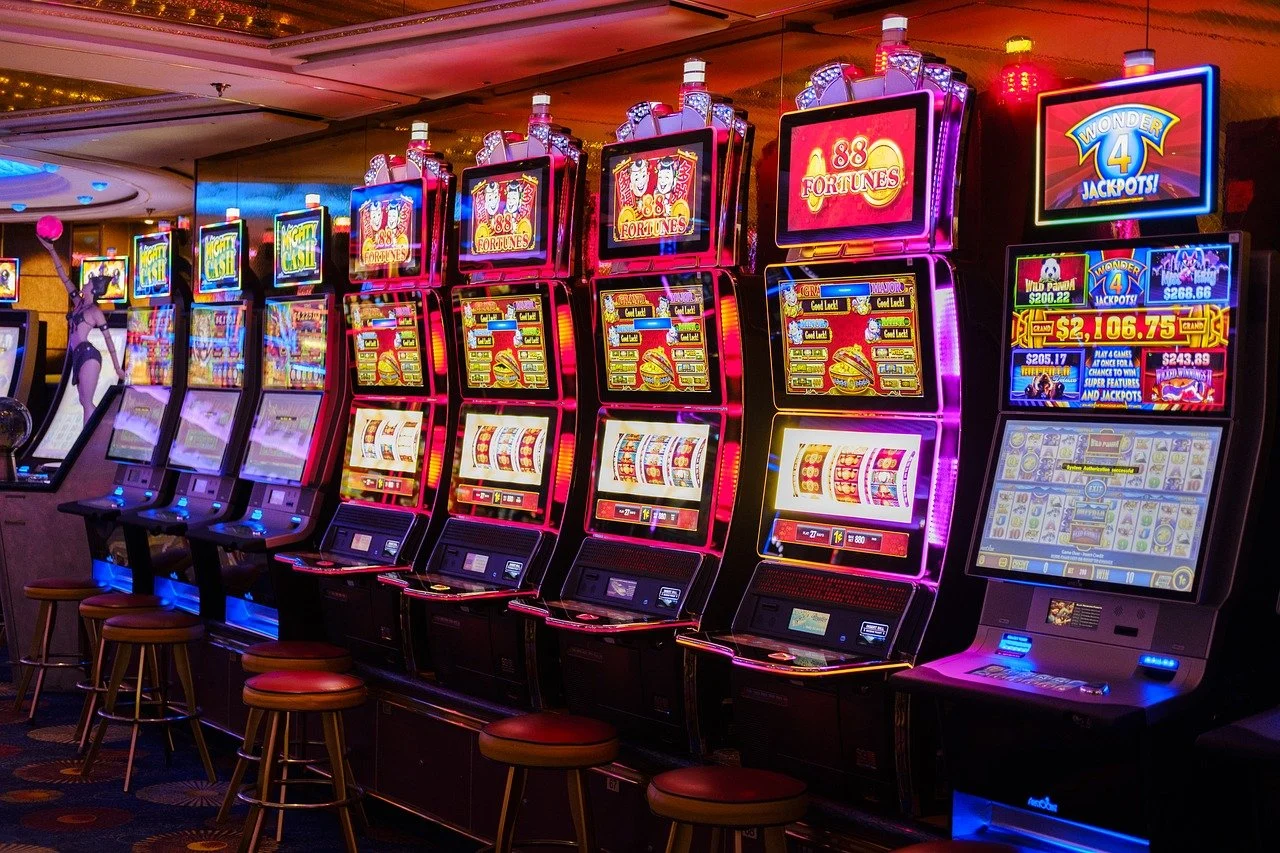
Adult gaming centres (AGCs) exist primarily to provide play on gaming machines and typically do not involve sports betting. Many of these venues operate 24 hours a day, with reports suggesting that hundreds remain open around the clock. As betting shops close down, AGCs have started to occupy similar real estate, becoming increasingly seen by politicians as markers of decline on Britain’s high streets.
Among the critics is British Prime Minister Andy Burnham, who has labeled betting shops as signs of deteriorating commercial areas. According to a Labour source cited by The Times, Burnham has even more disdain for AGCs: "Andy hates adult gaming centres." This perspective could influence decisions by the Treasury.
Currently, officials are considering higher rates for machine games duty (MGD)—the tax applied to the profits from gaming machines—set to be discussed in the budget scheduled for 28 October. The Financial Times reported that Chancellor John Healey is contemplating a tax hike specifically targeting betting shops and AGCs, raising crucial concerns for businesses that rely solely on machine income.
When looking at market share, Dan Waugh, a partner at consulting firm Regulus Partners, observes that AGCs are politically significant but only capture about 4% of total gambling spend in the licensed market. In the realm of machine gambling, however, AGCs represent around 25% of licensed spending, while betting shops command nearly 50% for the period of 2024/25.
The shift in spending patterns became more pronounced after 2019, when regulations reduced the maximum stake on fixed-odds terminals to £2. Waugh explains that this change effectively marginalized B2 gaming machines in betting shops, diverting spending towards casinos, bingo clubs, and AGCs, especially as more betting shops shut down.
While bookmakers acknowledge the trend, quantifying its impact remains complex. An industry spokesperson commented anonymously that although exact revenue losses can't be easily evaluated, the important point is that AGC revenues are on the rise while betting-shop revenues decline.
So, why do AGCs prosper where bookmakers struggle? The main factor appears to be cost: "It’s much cheaper to run an AGC," noted a bookmaker operator. AGCs are classified as hospitality venues for business rates, benefiting from lower taxes compared to the financial-services rates that apply to betting shops. They also contribute less to the statutory levy and do not incur media rights fees for racing broadcasts, which keeps their operational costs lower.
AGCs are also open longer hours, often serving customers late into the night after pubs close. Unlike betting shops, which may have only four higher-stake Category B machines, an AGC can host many more machines at a lower stake level, maximizing earning potential through a variety of machine options.
Waugh suggests that the political criticism of AGCs may be rooted in snobbery. Research from the Social Market Foundation (SMF) indicates that the most disadvantaged areas of Britain have, on average, six times more AGCs than affluent regions. He argues that the concentration of businesses designed for working-class entertainments is a natural result of their demographic locations.
Regulatory frameworks for AGCs are divided. While operators are licensed by the Gambling Commission, local councils issue the premises licenses needed for each venue. The Gambling Act 2005 mandates that councils aim to permit applications that comply with legal standards, limiting their control over unwanted AGC projects.
The operator's spokesperson feels the Gambling Commission has been slow in its oversight of AGCs, but acknowledges improvements are being made. Burnham’s government is shifting more power to local councils through new Gambling Impact Assessments and has indicated that the existing "aim to permit" policy may be re-evaluated. Lord Foster of Bath, who leads Peers for Gambling Reform, expresses concern about the current regulatory structure, particularly regarding high-stake machines and the enforcement of existing regulations.
Bookmakers advocate for further regulatory changes, suggesting that eliminating the "aim to permit" criterion is essential to stop new AGC openings and to close loopholes that give AGCs a financial advantage. They describe AGCs as resembling mini-casinos peppered across the high streets.
A potential rise in MGD presents a larger threat. Typical MGD rates range from 20% to 25% on machine profits, generating nearly £600 million annually. The SMF is advocating for a total of 40% taxation across casinos, AGCs, betting shops, and similar venues—excluding pubs—anticipating significant financial repercussions if implemented. If reforms occur under Healey's oversight, both AGCs and betting shops are likely to experience adverse effects, although no new tax rates have been confirmed.
Rachel Reeves, Healey’s predecessor, considered an MGD increase but dropped the idea after industry pushback, instead raising the remote gaming duty from 21% to 40%. Healey, facing budget constraints post-bond market volatility, might be more inclined to adjust the tax. Possible exclusions benefiting bingo halls and pubs have also been suggested.
Waugh predicts that any duty hike could lead to numerous AGC and betting shop closures, compounding challenges already faced due to inflation and the impacts of the pandemic.
Entain, owner of Ladbrokes and Coral, is vocally opposing the potential MGD increase. CEO Stella David articulated in a letter to the prime minister on 11 September that this tax hike could add around £100 million to their operational costs in the UK. Her letter referenced analyses suggesting that up to 1,470 betting shops could close, resulting in 15,900 job losses and a net deficit of about £120 million for the Treasury. During a third-quarter earnings call on 15 October, she reported 630 betting shops had already shut down within the past year.
She contended that increasing the duty would be counterproductive, damaging an already struggling sector, ultimately reducing Treasury tax revenue. David did not specify what cost-offsetting strategies Entain might consider but indicated plans would be formulated in response to any new tax rates.
Bacta, the trade association for arcades, countered claims that regulations could eradicate their industry simply due to political disapproval.
Speculation exists regarding whether betting shops might transition into AGCs in light of a changing landscape. Reports suggest Betfred could consider such conversions amidst ongoing closures, but the company has publicly denied any plans, asserting that any significant rise in MGD would diminish the benefits of such a move.
Waugh theorizes that operators with stronger financial stability might withstand potential tax increases better than others, while an illicit market could thrive in the absence of diligent enforcement by the Gambling Commission. Frontier Economics estimates a staggering £1.6 billion is wagered annually through illegal land-based gambling.
Burnham could end up purging AGCs from high streets, only to witness betting shops follow suit, further driving the shift underground. As Waugh noted, an increase in duty could yield consequences that primarily benefit only those involved in illegal activities.

