
In a recent statement, the Swedish online gambling trade body Branschföreningen för Onlinespel (BOS) has urged a reconsideration of the methodology used to calculate anti-money laundering (AML) fines. This plea comes as the government consultation on integrating new EU AML regulations concludes today, October 30.
The Ministry of Finance initially outlined proposals in July to align Sweden's laws with the EU’s AML package, which will come into effect across all member states on July 10, 2027. Among other stakeholders, the ministry has invited input from BOS on these proposed changes.
While BOS has generally supported the reforms, it has expressed strong concerns regarding the proposal to assess fines based on the total turnover of a company’s entire group rather than just its Swedish operations. The association argues that using the broader group figures would risk imposing double penalties, which it claims is inconsistent with both Swedish and EU legal principles.
Instead, BOS advocates for calculating these fines based solely on the gross gaming revenue (GGR) — the funds remaining after winnings are disbursed to players. According to BOS, customer winnings should be regarded as client funds, highlighting that typically, when SEK100 is wagered, approximately SEK95 returns to the players while operators retain about SEK5. The association contends that this SEK5 should serve as the foundation for any imposed penalties. This viewpoint aligns with the method used for assessing penalties against banks, which are based on their own revenues rather than the total amounts held in customer accounts.
Gustaf Hoffstedt, secretary general of BOS, remarked, “BOS welcomes the proposed EU anti-money laundering package. It has the potential to become an important tool in the fight against money laundering. At the same time, a rethink is needed in some areas – particularly regarding administrative fines – to ensure proportionality, avoid double punishment and promote legal certainty in general.”
BOS has previously emphasized the significance of GGR in penalty calculations, a stance supported by Sweden's courts. Earlier this year, the Supreme Administrative Court reaffirmed that fines under the Gambling Act should rely on GGR instead of total turnover. This ruling stemmed from a case involving Genesis Global, which faced a SEK4 million fine for not adhering to the national self-exclusion register, Spelpaus. Until that decision, Spelinspektionen, the Swedish Gambling Inspectorate, calculated fines based on total stakes.
The debate on this topic continues as the Administrative Court in Linköping recently upheld fines against several operators: SEK6.5 million for Betsson Nordic, SEK5.5 million for Snabbare, and SEK10 million for Spooniker, all related to AML violations.
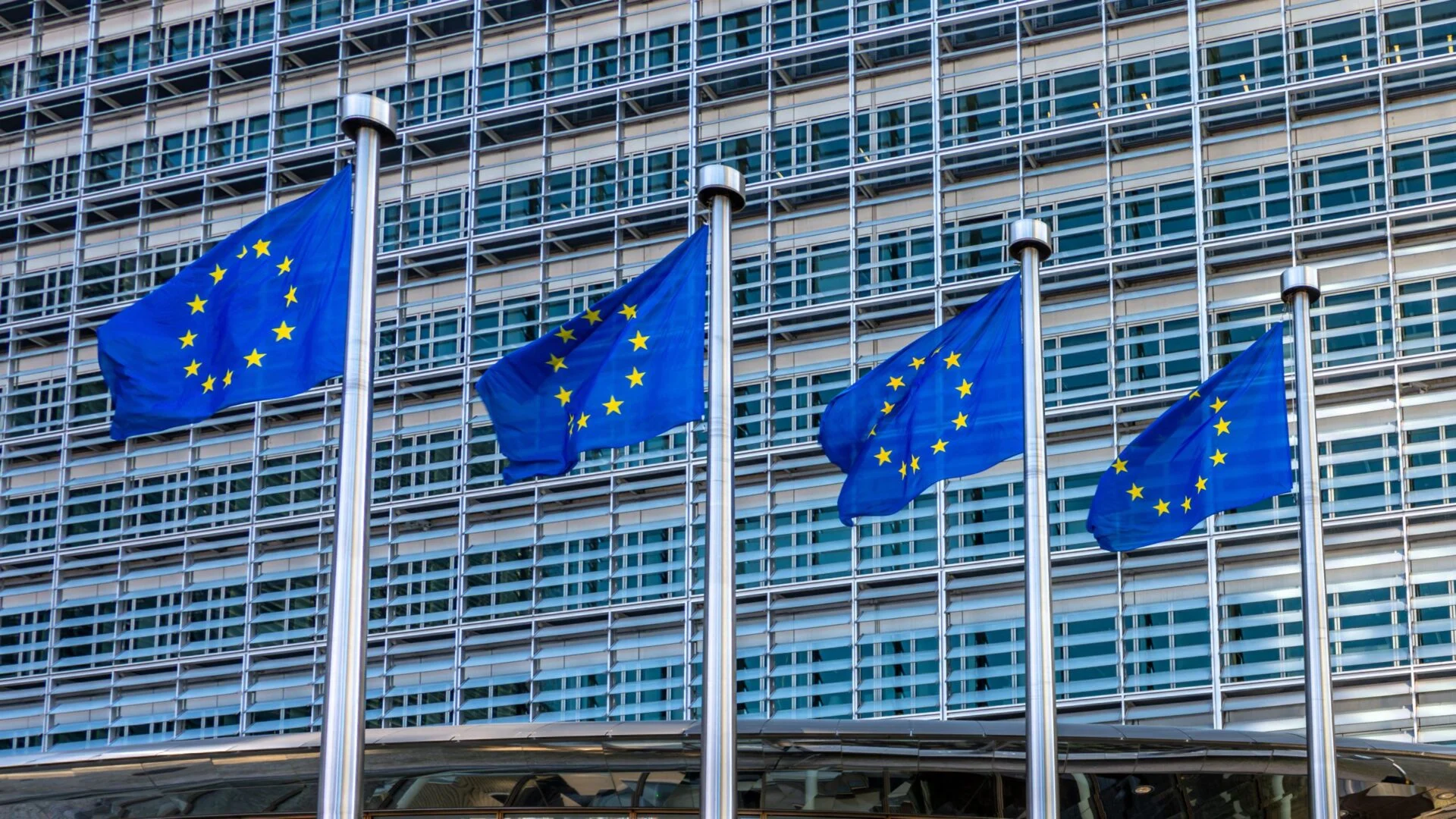
The European Commission initially introduced the reforms in 2021, which included the establishment of a new EU Anti-Money Laundering Authority and was fully adopted in 2024. The European Gaming and Betting Association also noted it would revise its own AML guidelines to align with these new regulations.

