
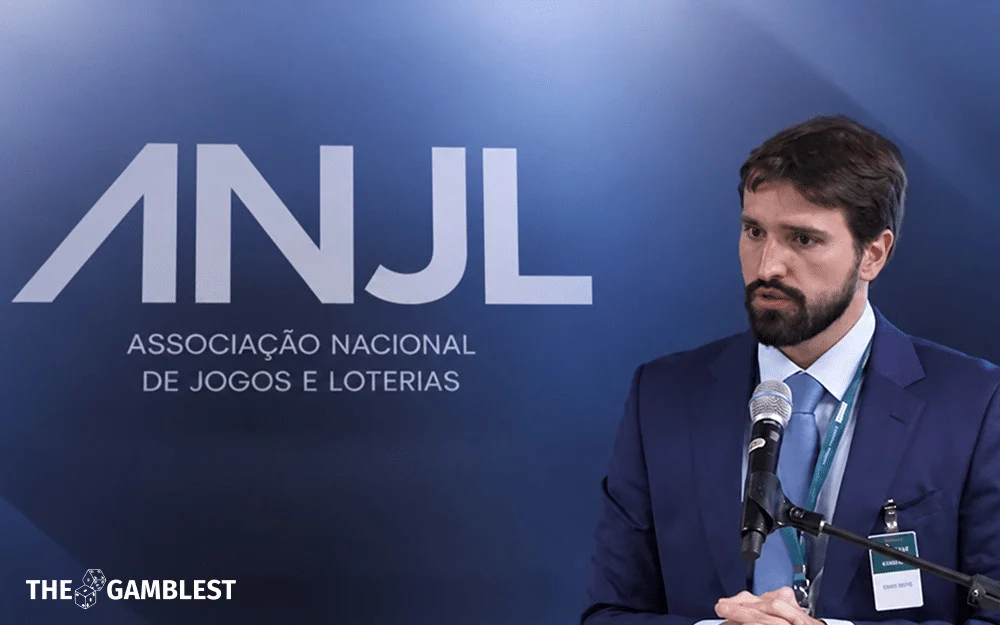
During a public hearing on November 3, led by Justice Luiz Fux, representatives from Brazil's gambling and sports sectors voiced concerns that banning fixed-odds betting could drive players to unregulated operators instead of eliminating gambling altogether. The National Association of Games and Lotteries (ANJL) urged for stronger regulations rather than an outright ban, arguing that effective regulation is crucial for consumer protection and mitigating gambling-related harm.
Pietro Cardia, the association's legal consultant, referenced Brazil's past attempts at prohibition, which spanned over two decades, highlighting that these measures failed to have a significant impact. He noted, "In 2026, gambling slowed down in Brazil. This is a relevant point to demonstrate that regulation was working. We were already reaping good results. More than 60% were in the regulated market, and only 40% in the illegal market."
Bernardo Freire, another legal consultant for ANJL, contended that the recent provisional measure has reversed this progress by steering consumers towards unlicensed websites instead of curbing demand. He remarked, "The hasty ban, implemented in a way that disregarded previously granted authorizations, has already backfired. In 30 days, we can easily identify this, demonstrating how readily available an illegal website is."
The Brazilian Association for Economic Freedom (Able) challenged the notion that gambling is directly linked to household debt and defaults. Economist Eric Universo Rodrigues Brasil argued that there is insufficient data connecting gambling to financial challenges for Brazilians. He estimates that household spending on gambling will reach R$ 37 billion in 2025, while total household expenditures amount to approximately R$ 8 trillion. His comparisons show that gambling expenditures are less than other financial outlays, such as R$ 696.8 billion spent on interest payments, R$ 152.1 billion on mobile devices, and R$ 69.7 billion on streaming services.
Representatives from Brazilian sports organizations cautioned that such regulatory restrictions might remove a significant source of sponsorship and funding. Igor Mauler Santiago from the Brazilian Football Confederation (CBF) warned that the CBF could face R$ 420 million in revenue losses by 2027. Pedro Henrique Rebello de Mendonça, speaking for the Brazilian Olympic Committee (COB), highlighted that current investment choices impact financial support for the 2028 Los Angeles Olympics and beyond.
Lawyer João Paulo Bachur pointed out the importance of the National Allocation Office (ENDR), a non-profit establishment that provides financial assistance to various sports and community entities. He reported that nearly half of the licensed betting operators contribute to the ENDR, which disbursed R$ 580 million to various beneficiaries, including the COB and the Brazilian Committee of Clubs, between June and September 2026. Bachur expressed concerns that the withdrawal of funding could destabilize financial support for sports, clubs, and athletes.
The hearing convened industry representatives and economic experts to assess the potential consequences of Brazil's provisional measures. They underscored the likelihood of rising illegal gambling and the adverse effect on funding for sports and associated beneficiaries.

