
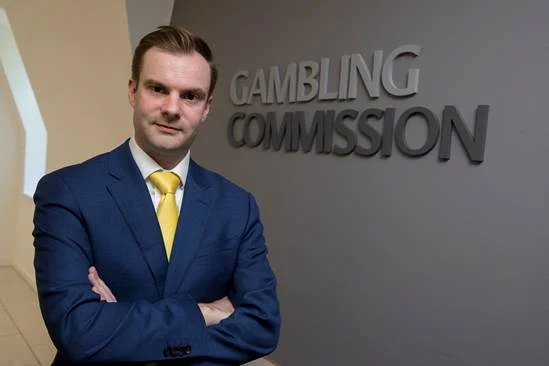
Tim Miller has concluded a decade-long tenure with the UK Gambling Commission, where he played a pivotal role in implementing the 2023 reforms. These reforms encompassed various areas such as age verification, game design, marketing controls, and financial risk assessments, all while overseeing the launch of the Gambling Survey for Great Britain (GSGB).
Among his many accomplishments, Miller cites the National Strategy to Reduce Gambling Harms as a significant highlight, which successfully involved the financial services industry in preventing gambling-related harms. This initiative even encouraged challenger banks like Starling to add gambling blocks.
After announcing his departure in June, which officially took place last month, Miller is now at the helm of GamReg Consulting. His early clients include Gaming Compliance International (GCI), which offers transaction and market monitoring tools for regulators, as well as Spectrum Gaming Group. Since his launch, he reports that the feedback, particularly from the G2E event in Las Vegas, has been overwhelmingly positive.
Miller's exit came during a crucial period for the Gambling Commission, notably following the resignation of Chief Executive Andrew Rhodes in late April. While financial risk assessments were confirmed in July, the full implementation is still pending.
Miller emphasizes that he was not pushed out of the Commission, stating, "I wasn’t looking to escape the Commission, I was just ready for the next challenge." Although there was speculation about him being a potential successor to Rhodes, he decided against such a commitment, noting the need for a long-term dedication to the role. He views the recent series of senior departures as coincidental, highlighting that the Commission comprises over 300 staff, making leadership just one aspect of its functionality.
Addressing the challenges ahead, Miller identifies the illegal gambling market as a significant concern, cautioning against overstated expectations of what regulators can achieve against organized crime akin to the drug trade. He insists that collaboration among law enforcement, governments, and technology companies is vital in combatting illegal gambling. "If people think a gambling regulator will defeat the illegal market by itself, we’re destined to fail," he states.
Miller also defends the GSGB amid criticism from some industry sectors that claim it exaggerates the extent of gambling participation and harm. He points out that critics have often remained silent on the limitations of the Health Survey for England, which tends to report lower problem gambling rates despite suggesting a rising trend. He asserts, "If anybody suggests there’s a single survey or a single piece of data that gives you the absolute definitive picture on an issue, then frankly, they’re kidding you."
Financial risk assessments (FRAs) have faced substantial pushback from the industry, a response Miller attributes to two main factors: branding and financial implications. He notes that detractors mistakenly labeled FRAs as "affordability checks," which differ significantly. Although he shares skepticism about affordability checks, he highlights how the pilot program revealed vulnerable customers who might slip through other systems.
He argues that effective implementation of financial risk assessment tools could mean fewer documentation requests for consumers, aligning with the goal of identifying at-risk individuals while reducing friction in the betting experience.
Contrary to reports suggesting delays in the board's decision to approve FRAs, Miller categorically denies this claim. He clarifies that the initial phase targets only the largest operators dealing with customers who have substantial net deposits, with no enforcement actions in the early stages. Future thresholds will include amounts of £1,000 in a 24-hour span or £3,000 over 90 days.
When asked about the potential for high-value customers to migrate to unregulated offshore operators due to these assessments, Miller acknowledges some degree of risk but counters that operators' actions often contribute to this migration. He notes that successful punters frequently face restrictions that push them toward illegal markets as their only option.
The transition of Andrew Rhodes to principal consultant at Hawkbridge has raised concerns regarding conflicts of interest, but Miller firmly dismisses any implications for himself. "No, not at all. I was very clear that I didn’t want to move into roles that would compromise my independence," he insists. Although he acknowledges that his previous role gave him access to confidential information, he maintains that his expertise remains distinct from the Commission's insights.
Miller aims to use his independent perspective as a foundation for his consulting work, focusing initially outside the UK. He has outlined three key priorities: sharing insights with emerging jurisdictions, challenging tech companies over illegal gambling advertising, and enhancing communication between developers and regulators. He expresses frustration with the jargon-filled pitches that often obfuscate understanding within the industry.
On a personal note, Miller has opted to step away from the increasingly fraught debates in the UK gambling sector, which he describes as "really toxic" at times, having faced unacceptable threats against his family via social media. He urges the gambling sector to maintain their passion for the industry but to find common ground with differing viewpoints.

