
As summer came to a close, sportsbooks welcomed a rush of customers drawn in by the World Cup. Many of these patrons were making their first bets, engaging with group games and brackets with enthusiasm. However, now that the final has been played, these newfound bettors are encountering a betting landscape that has shifted dramatically. Instead of the football excitement they anticipated, their apps now display mid-season sports and competitions they may not have followed before. The thrill of the tournament has ended, leaving these bettors to decide their next move.
Operators are particularly focused on what these customers will do next. Wagers for this World Cup are predicted to exceed $50 billion, a significant rise from the $35 billion wagered during the 2022 tournament in Qatar. This influx of new customers is unprecedented for the industry, each entering at some cost through bonuses, promotional odds, and marketing expenses. Retaining these customers is crucial, as profitability hinges on their continued betting.
Recent research from the UK Gambling Commission provides insight into how World Cup participants behaved after the 2022 final. Although the findings are from four years ago, they remain relevant as operators anticipate customer retention trends. Among approximately 100 newcomers who had not placed football bets in the previous year, 70% were still betting three months post-tournament. Yet, less than half remained engaged with traditional sports; many transitioned to other gambling options.
This suggests that the enthusiasm these bettors exhibit is not entirely tied to the tournament itself. They seek out alternative betting opportunities, often leading them elsewhere if the current offerings do not align with their preferences. Overall, while expenditure on football typically declines after the World Cup, total betting participation often remains steady or even increases. This was evident in 2022 when league football resumed rapidly but still could not fully retain the World Cup audience's interest.
For operators, this data highlights the importance of effective retention strategies. Fresh reactivation efforts, such as targeted emails and promotional offers, require meaningful and recognizable content. However, research indicates that much of the standard content provided often doesn’t resonate with the sporting background of new customers.
The challenge then becomes creating a betting experience that is both familiar and readily accessible to these newly engaged individuals, who prefer rapid interactions without having to navigate extensive data.
A prime example of this is the Penalty Arena developed by Oddin.gg. This platform offers a unique betting format focusing on penalty kicks as an ongoing market, allowing bettors to make quick predictions and receive results in just 90 seconds, bypassing the lengthy nature of traditional football matches. This caters to the fast-paced preferences of bettors who may not wish to engage with complex sports statistics.
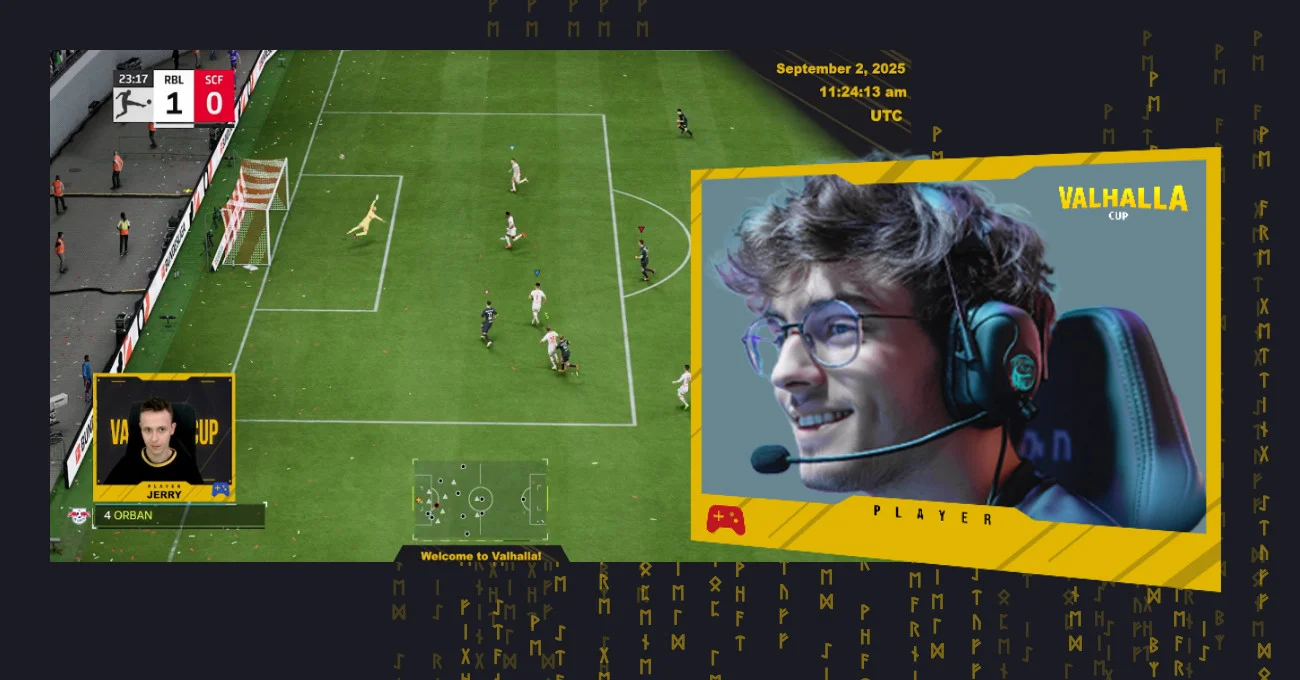
For those looking for a more complete match experience, Oddin.gg also features eFootball, which simulates rapid matches, generating new games every few minutes throughout the day. This format, part of a broader suite of eSports betting options, allows operators to maintain engagement even during the off-seasons of traditional sports.
Esports serve to further diversify the betting landscape, with numerous titles hosting ongoing events and tournaments. For instance, the Esports World Cup features 25 tournaments across 24 different games within just seven weeks, ensuring constant opportunities for bettors. As sports schedules ebb and flow, formats like Counter-Strike 2 Duels and Dota 2 Duels maintain active betting markets, stabilizing revenues.
The demographic of esports bettors tends to skew younger, appealing primarily to Millennials and Generation Z, thereby expanding an operator’s revenue streams irrespective of the traditional sports calendar. For these audiences, the conclusion of a football tournament holds little significance—their engagement remains steady, operating on their own timeline.
As the summer saw a uniform influx of bettors across sportsbooks, evidence suggests that most will continue to wager in the months following the tournament. The offerings available will largely dictate where they gravitate next. Operators that cater to these new bettors with engaging, familiar, and quick-to-settle betting options can transform a record-setting acquisition period into sustained revenue.

