
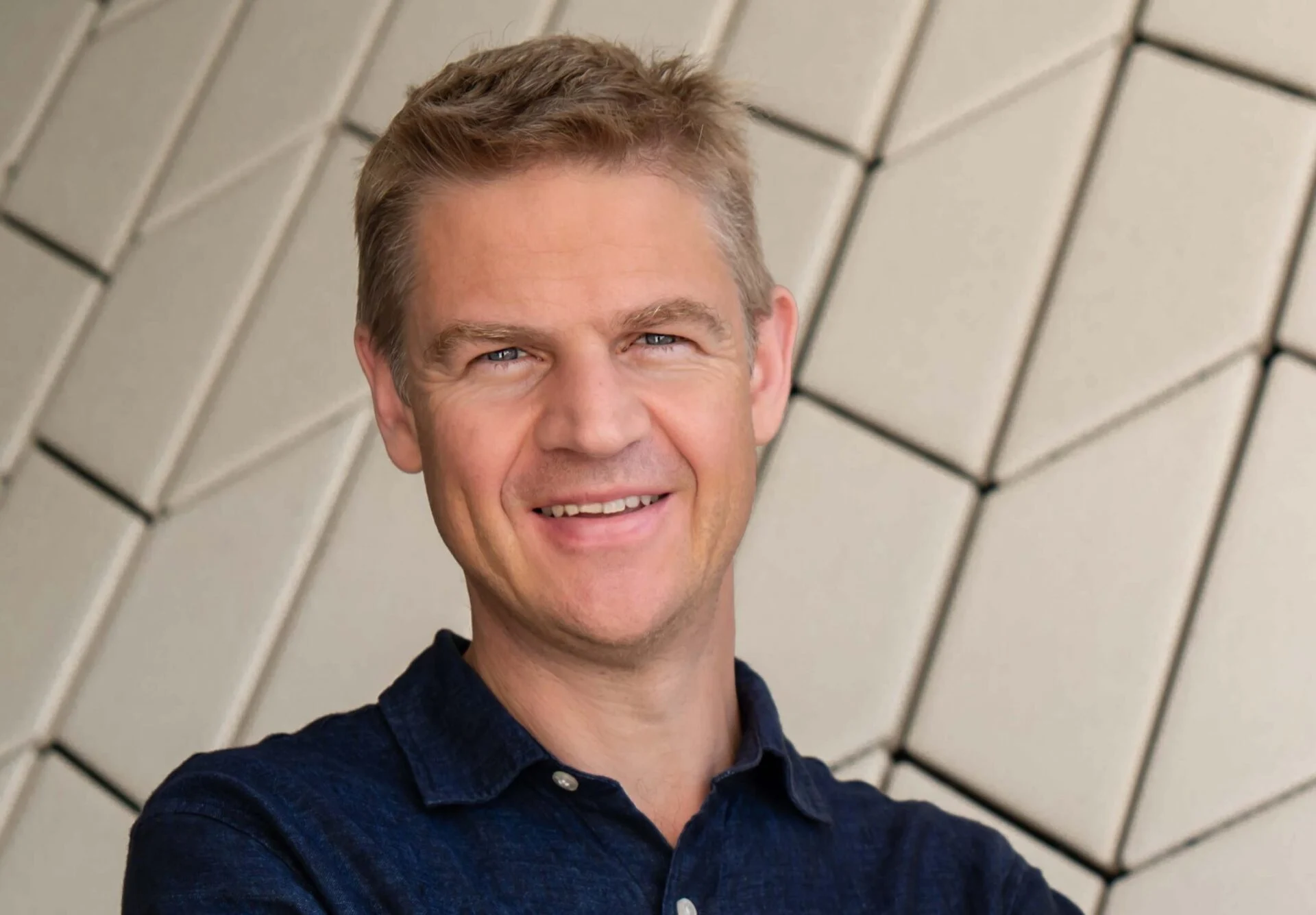
Businesses in the gambling sector often face termination due to over-regulation, litigation, or sheer exhaustion, rarely by choice. On July 31, Nigel Eccles, co-founder of FanDuel, plans to voluntarily close BetHog, the cryptocurrency casino he established alongside former FanDuel colleagues, while the venture remains operational and is, in his words, still strong.
The driving factor behind this decision is not failure, but a strategic pivot. All that BetHog has developed—its engineering team, technology, and insights—is being integrated into Sentient Studios, a newly formed entity focusing on a photorealistic AI dealer. This AI-driven avatar facilitates real-time blackjack without a physical studio or human employees. Eccles views this shift as the greatest opportunity of his 25-year career in gambling products.
"We ran the risk that if we didn’t put 100% behind it, we’d fail at AI live dealer—the one thing we were really excited about," Eccles stated.
The decision stems from a realization of market dynamics and the potential misalignment of BetHog's mission with industry trends. Initially, BetHog was founded under the belief that offering a superior product would ensure success in crypto gambling. However, Eccles noted that marketing, rather than product quality, dominated the crypto casino landscape. "What we found was that crypto casino doesn’t really compete on product as much as marketing," he remarked, explaining the market is led by promotions and streamer agreements.
While a niche in the crypto space was conceivable, Eccles pointed out that it comprises less than 10% of the online casino market. He shared that their unique offering, which began as a side project last summer and was tested in-house, yielded unexpected results. Traditional live dealer games target high-rollers, but their AI tables attracted a wider audience. He described them as playing more like originals, which appealed to casual players similar to how slots operate within the economic structure of casinos.
Player interviews revealed that some participants find human dealers daunting. New players often hesitate, uncertain of their decisions. When faced with challenging situations, such as a 15 against a dealer's 10, they seek guidance from the AI, leading to the creation of a feature allowing players to ask the dealer for advice.
The pivotal moment for Sentient Studios came in April when discussions began with various operators, including both crypto casinos and larger regulated entities. Many of the larger operators voiced frustration with the limitations of traditional live dealer offerings, which are hampered by regulations in certain jurisdictions. Eccles elaborated that operators which wish to modify their live studios face lengthy timelines and significant costs, while Sentient can implement changes rapidly and flexibly. "We could probably do that in one to two weeks max," he indicated, highlighting the scalability of their AI technology.
The transition also made sense given the interests of the engineering team, which had been gravitating towards AI live dealer projects. Eccles described the move as obvious once he contemplated it.
Creating the AI dealer has presented challenges, particularly in achieving responsive photorealistic video. While generating high-quality video is straightforward, ensuring the avatar can react in real-time is complex. The dealer must simultaneously perceive game actions, formulate appropriate responses, and synchronize movements—all within tight deadlines. Early attempts at character expression faced hurdles, leading to an intentionally simplified initial version before finalizing the more lifelike iterations this April.
In considering the competitive landscape, Eccles is aware of the threat posed by established players like Evolution Gaming, which dominates the live casino sector. He anticipates competition but maintains a welcoming stance towards imitators, pointing out that innovation often meets resistance from existing market leaders. Historical comparisons with De Beers, which initially resisted lab-grown diamonds, illustrate the risk of incumbent companies losing ground if they fail to adapt.
Skepticism surrounding AI dealers often revolves around questions of authenticity and trust. Eccles argues that the social aspect of live tables is overstated; many players engage minimally with human dealers. While trust in gambling was crucial during the era of less regulated online gaming, he believes that trust can also be established through branding and quality assurance in virtual settings. As production values have improved, user confidence in the AI dealer has also increased.
Regulators appear willing to accommodate this innovation; Eccles emphasizes that the AI dealer essentially functions as a randomized number generator product. The AI maintains no foreknowledge of future cards, and responsible gambling protocols are integrated, ensuring that the AI dealer can support players who may be at risk of problem gambling.
Sentient Studios previously operated in the marginal area of crypto gaming amidst increasing regulatory scrutiny in the U.S. Eccles insists the closure of BetHog is not a response to regulatory pressures; he stresses that they took measures to avoid problematic markets from the outset. Customer balances will be honored, and he assures that former players can expect reimbursements.
The standout challenge for Sentient now lies in maintaining a sense of authenticity with the new AI dealers. Their high audio quality has introduced a paradox; even though they exceed typical dealer volumes, they sometimes require adjustments to mimic the imperfect audio quality common in live settings. Concerns about machines replacing human dealers are also addressed. Eccles likens the adoption of AI dealers to past technologies like ATMs or self-checkout kiosks, which faced resistance initially but ultimately became accepted practices.
As AI advances, players who once swore they would never engage with machines may soon find themselves embracing this modern alternative.

