
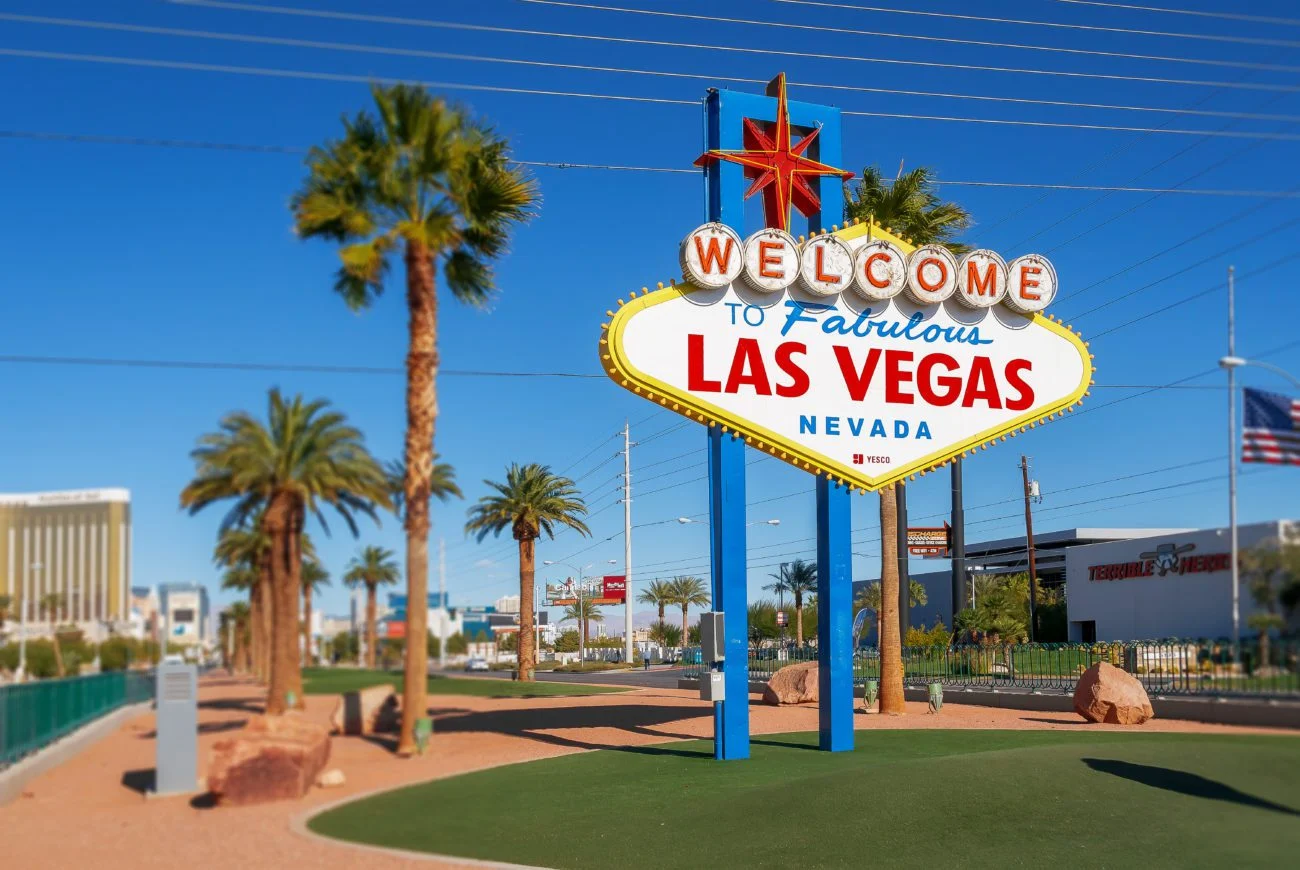
June marked the end of the fiscal year in Nevada, with gaming revenue and tourism figures showing minimal changes. Statewide gross gaming revenue totaled $1.34 billion—a slight increase of 0.8% compared to the same month last year, as reported by the Nevada Gaming Control Board. For the fiscal year, the overall revenue reached $16 billion, reflecting a more substantial increase of about 2.5%.
On the Las Vegas Strip, gross gaming revenue for June fell 1% year-over-year to $754.6 million. Despite a downturn last year, the Strip rebounded this fiscal year, closing with a 2% increase to approximately $8.9 billion. A notable decline in baccarat performance contributed to the decline in June; the Strip recorded $102.7 million in baccarat revenue, a decrease of 20% from the previous year.
While the Strip showed modest declines, several southern Nevada markets posted solid fiscal year growth. Mesquite reported the largest increase of 6.6% year-over-year with a gross gaming revenue of $207 million. North Las Vegas, Boulder Strip, and downtown Las Vegas also showed positive trends, growing 4%, 3.6%, and 3%, respectively. Both downtown Las Vegas and Boulder Strip reached around $1 billion in gross gaming revenue, while the Las Vegas locals market remained stable at just under $2 billion year-over-year.
According to the Las Vegas Convention and Visitors Authority, visitation to Las Vegas in June stayed flat at 3 million visitors compared to the previous year. However, a busy conference calendar led to a 25% increase in that segment. Overall, hotel occupancy in the Las Vegas area also remained unchanged at 78%, although average daily rates and revenue per available room on the Strip dropped approximately 5%.
Data from Harry Reid International Airport for June has yet to be released, revealing a year-to-date drop of 6% as of May.
In contrast, Reno exhibited impressive growth both in June and for the entire fiscal year. The city reported a gross gaming revenue of $81.6 million for June, marking a significant 20% increase from last year, the highest across all Nevada markets. Reno’s fiscal year total stood at $825.3 million, representing a 7% year-over-year increase.
The Reno-Tahoe area has experienced a tourism surge this year. Reno-Tahoe International Airport reported a 4% rise in passenger traffic this spring, with April and May passenger numbers reaching their highest levels in nearly 20 years. Additionally, the first quarter of this year saw taxable room revenue in Reno hit $106 million, a record for the first quarter, according to Visit Reno Tahoe.
Looking ahead, market shifts are anticipated. Caesars Entertainment, which had been based in Reno since its acquisition by Eldorado Resorts in 2020, will relocate its headquarters to Houston, Texas, under Fertitta Entertainment. Caesars operates three properties in downtown Reno—Eldorado, Silver Legacy, and Circus Circus. Meanwhile, other operators are pushing forward with major investment projects, such as the Grand Sierra Resort, which is undergoing a multi-phase $1 billion expansion, and the J Resort, which recently completed the first phase of a $400 million renovation and expansion.
From an employment perspective, Nevada experienced a 2% year-over-year growth in nonfarm jobs in June, according to the Department of Employment, Training and Rehabilitation. Notably, the leisure and hospitality sector added 1,700 jobs, the highest of any industry.
While employment in the Las Vegas metro area remained stable month-over-month, it also saw a 2% increase year-over-year. Similar trends were observed in the Reno metro area, with flat monthly figures contrasting a slight yearly uptick of 1.5%.
"Over the past year, Nevada has added jobs at a brisk pace, and that trend continued in June with over 2% growth in jobs," noted David Schmidt, Chief Economist for DETR. He added that the labor force participation and unemployment rates decreased, aligning with national trends. In summary, Nevada’s labor market remained stable as it entered the new fiscal year.

