
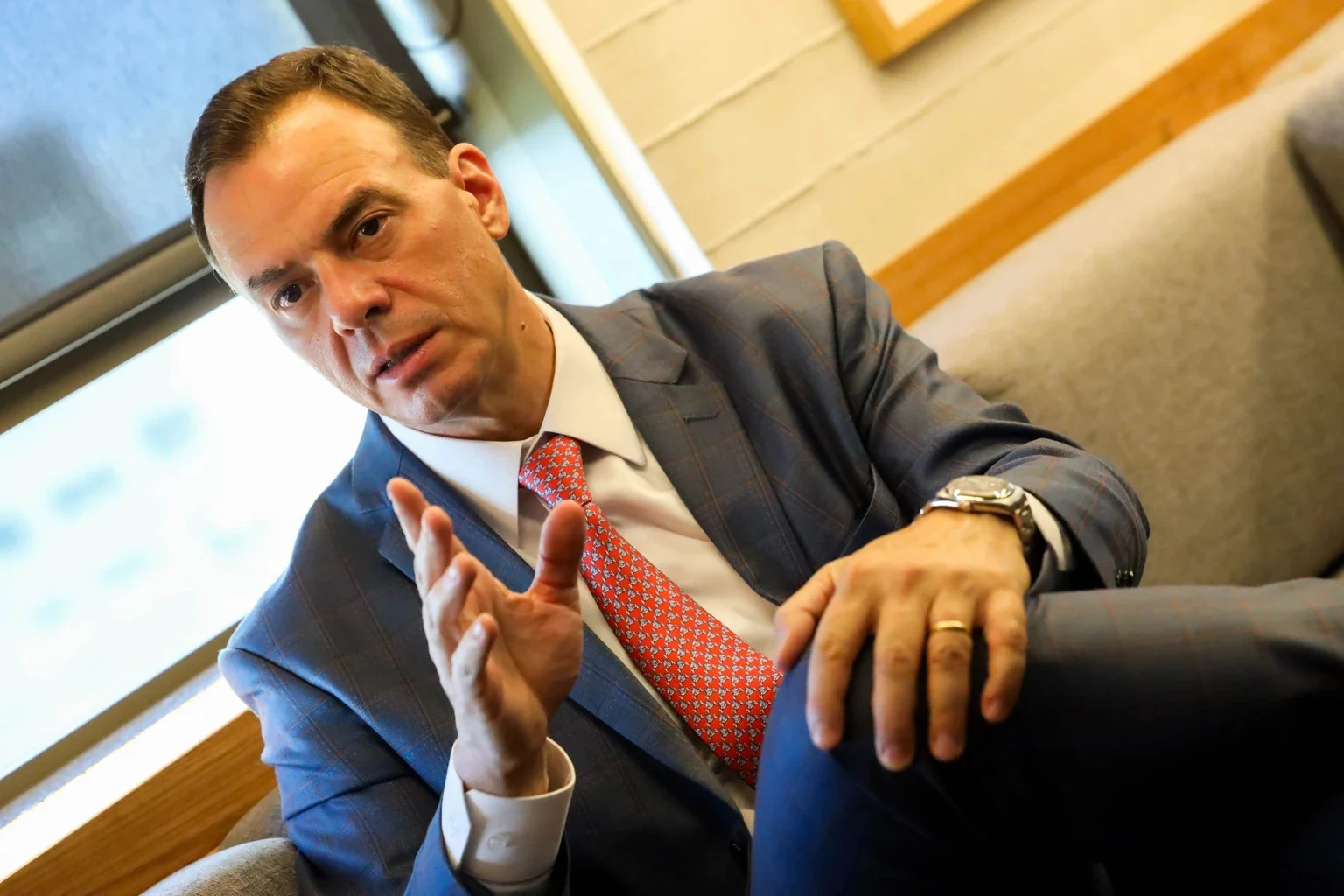
In a recent discussion, Plínio Lemos Jorge, the president of the National Association of State Lotteries (ANJL), emphasized the rapid expansion of Brazil's betting industry, highlighting a significant rise in revenue in the early months of the year.
Lemos Jorge pointed out that revenue increased from BRL3.1 billion ($620 million) during the first five months of 2025 to BRL5.89 billion in the same period of 2026. He stated, "This leap reflects the progress of the regulated sector, with benefits flowing back to society through tax contributions."
The upcoming June figures likely benefited from Brazil's hosting of the World Cup, which was the first held under a regulated market in the country. Lemos Jorge noted that this major event connected consumers to platforms that promote responsible entertainment.
He praised authorized operators for adhering to stringent guidelines during the tournament, stating, "The SPA reinforced requirements regarding integrity, advertising, and communication prior to the competition," emphasizing its critical role in the industry's sustainability.
The ANJL president also highlighted initiatives that engaged fans in bars and restaurants, helping digital brands create immersive experiences beyond online interactions.
Lemos Jorge welcomed the federal government's new advertising regulations, seeing them as protective measures for bettors and operators alike. However, he criticized local municipal bans on public advertising, arguing that such rules conflict with the federal authority on commercial advertising, which could create ambiguity for operators.
Political pressure on betting companies is anticipated to increase in the second half of the year amidst looming elections. He urged the industry to remain steadfast in its commitment to responsible gaming, hopeful that criticism will wane once the political climate stabilizes.
"We cannot let our guard down," Lemos Jorge stated regarding the ongoing issue of illegal betting sites. He asserted that the government has recognized the importance of tackling this challenge.
In terms of the sports betting and online gaming sector's performance, Lemos Jorge indicated that while the exact figures for the first half of 2026 are pending, the substantial tax revenue increase supports the notion that the regulated sector is vital to Brazilian society.
When asked about the World Cup's influence on fixed-odds betting revenue, he suggested that, while precise numbers are not yet available, the event would undoubtedly have had a significant impact.
He affirmed the integrity of the regulated sector during the World Cup, noting that all authorized operators complied with the comprehensive regulations established by the Ministry of Finance and the SPA.
Physical marketing strategies at the World Cup, such as collaborations with restaurants and sporting events, were particularly successful as they fostered direct consumer engagement beyond traditional digital platforms.
Addressing criticisms about advertising during the World Cup, Lemos Jorge contended that such feedback has been common since the regulated market's inception, often stemming from sectors that view betting as a threat to their business. He underscored that any potential rule violations would be addressed by agencies like Conar and Senacon.
Commenting on new advertising regulations, he viewed them positively, believing they would enhance clarity and accountability in communications within the sector.
As various Brazilian cities rush to implement local advertising bans, he warned that such moves might lead to severe confusion and legal uncertainty, undermining the federal government's exclusive authority over commercial advertising.
Lemos Jorge also discussed the self-regulation framework collaboratively developed with other industry bodies, asserting that it is both robust and understandable. He acknowledged continued scrutiny but maintained that all actions within the industry must prioritize transparency and responsibility.
Looking ahead to an election-dominated second half of the year, Lemos Jorge expressed concern over the industry's portrayal as a scapegoat but urged it to stay resilient and focused on ethical practices, predicting that integration into Brazilian society would decrease future criticisms.
Illegal betting websites continue to represent nearly half of the Brazilian online gaming market, with Lemos Jorge stressing the need for ongoing vigilance against this issue. He remains committed to collaborating with government agencies like Anatel to address the challenges posed by illicit operators.

