
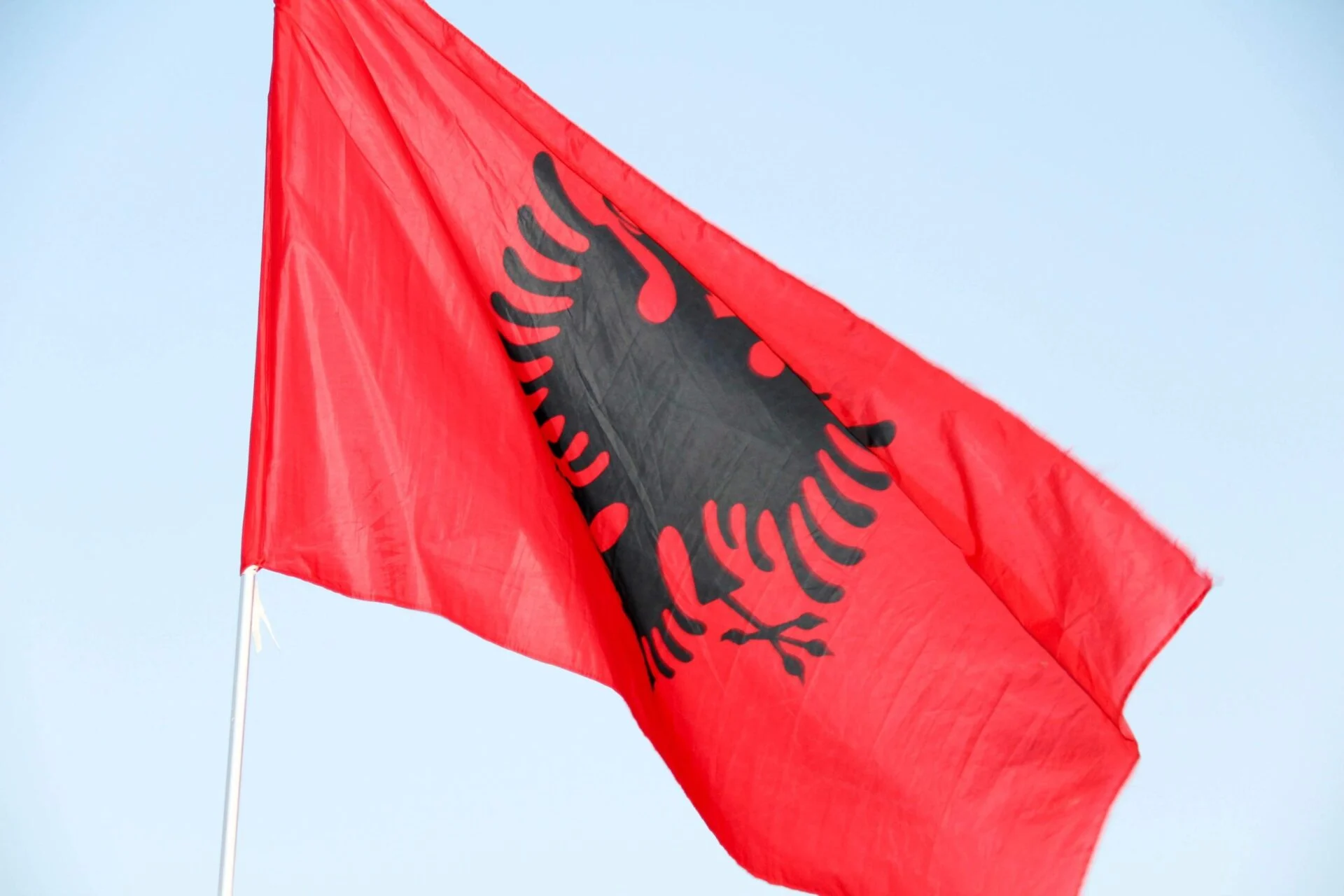
For the past seven years, Albania has been under a complete ban on sports betting. Since 2019, all forms of gambling, including betting halls and online verticals, have been prohibited. Despite this, unregulated sports betting gross gaming revenue (GGR) was estimated at $126 million last year, prompting interest from international operators, though the potential for channelization into a regulated market is still uncertain.
In July, the government announced the completion of a new framework for the partial reopening of the sports betting market. Once the licensing process is finalized, up to ten online operators will be permitted to accept wagers from customers in the country.
This development has been anticipated for some time. Albanian Prime Minister Edi Rama acknowledged as early as 2022 that the online betting economy was “flourishing” despite the ban. Rama stated, "We are talking about taking this activity out of the black economy and bringing the profits into the light, because nobody can block it – not even China."
While legislation paving the way for market reopening was passed in 2024, detailing the new framework has taken over two years. Uncertainties still linger over the timeline for the first licensing round and how many licenses will be granted, as well as whether public interest in betting has waned after years of prohibition.
The betting ban began in 2018, during which Albania’s sports betting sector generated an annual turnover of €700 million. The market was heavily concentrated with 4,000 betting shops serving around 2.8 million residents. Hendri Hanaj, founder of Hashtag Lawyers, commented on the prevalence of betting, noting that it was particularly common in small amounts among the general population, with many locations close to schools and neighborhoods.
The surge in betting activities raised alarm among politicians, who worried about its impact on addiction and low-income families. Rama, a former basketball player, voiced concerns about the integrity of sports and allegations of connections between some betting firms and organized crime, stating in parliament, “We are waging a frontal war with the evil entrenched deeply in our society over the years.”
Post-ban, it became evident that betting practices persisted, shifting into the underground. Initial estimates indicated the unregulated online sports betting market generated a GGR of $117 million in 2024, increasing to $126 million in 2025. Including online casino and poker, the total unregulated online GGR reached approximately $229 million last year.
In its reopening strategy, the government aims to avoid a repeat of the chaos caused by widespread retail betting. Only online platforms will be authorized, while physical betting shops and slot halls will remain banned. Casinos will continue to operate only in select five-star hotel locations.
Albania will introduce tight regulations, allowing a maximum of ten licensees as determined by the Licensing Commission. Initial forecasts suggest the new scheme could generate around ALL2 billion (€20 million) in public revenues each year, with 15% of GGR allocated to a special fund dedicated to culture, sport, technology, and innovation.
However, Hanaj expressed skepticism regarding the appetite for sports betting, suggesting it may have diminished after years of prohibition. "There is an appetite for sports, but it has faded over time," he remarked. He added that although people may still bet, it is unlikely to return to previous levels.
Albania’s new regulations will require players to register online using national identity cards, with cash betting not permitted and payments to be routed through Albanian banks or licensed institutions. Operators must monitor transactions and keep player records for three years while adhering to a national self-exclusion register.
Operators will also need to inform players about gambling risks and direct them to support resources. Nevertheless, Albania currently lacks dedicated gambling counseling or rehabilitation services. Recent regulations also established guidelines for suspending or revoking licenses, with specific penalties for violations.
Operators aiming to enter the Albanian market must meet rigorous criteria, including being registered as an Albanian joint-stock company and demonstrating prior gambling experience in at least three EU or OECD markets. These licenses will be awarded based on a points system, favorably weighting those who can show extensive industry experience, likely benefiting larger international firms.
Albania’s market conditions may be attractive despite challenges, such as a reduced population and lower income levels post-2018. Yet, as Hanaj points out, the country has shown resilience in various sectors, including banking, which remains stable with a limited number of institutions.

