
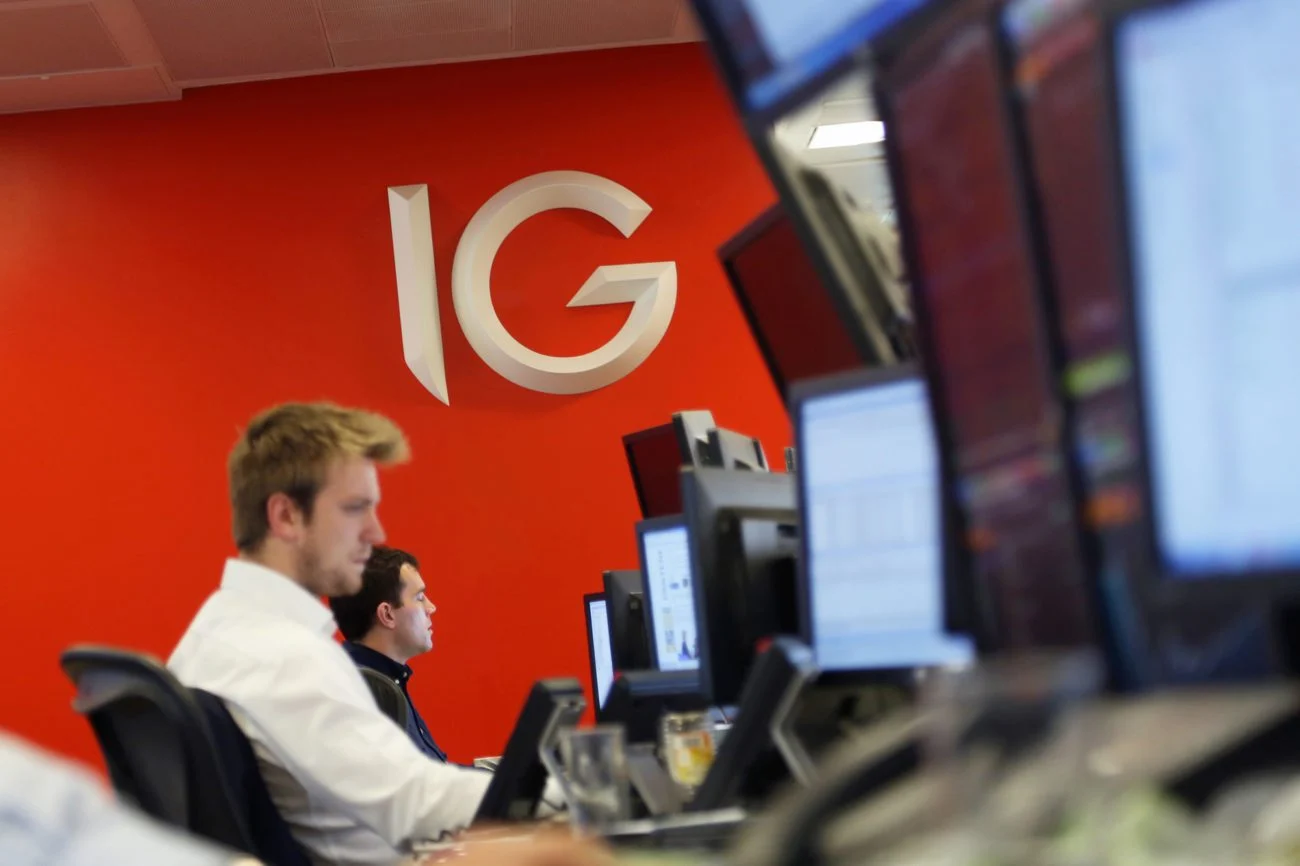
IG Group has made headlines with its announcement of acquiring Underdog Sports Holdings, framing the move as a strategic investment in the future of prediction markets. The deal, valued at approximately $1.3 billion, includes an upfront enterprise value of $1.1 billion and an additional earn-out of up to $200 million for shareholders. Furthermore, Underdog employees could receive up to $850 million through a management incentive plan (MIP) contingent on exceptional future earnings. The completion of the acquisition is anticipated in late 2026 or early 2027.
While the reported total of $1.3 billion captures attention, the true financial implications of the deal are more nuanced. The $850 million MIP is not a payment to Underdog’s sellers but a performance-based incentive for management if the company’s growth meets IG’s optimistic projections. This divergence is significant; Ben Robinson, a partner at Corfai, explains that the effective purchase price is around $1.1 billion, or 2.4 times Underdog's revenue over the last twelve months. Including the earn-out, the valuation rises to approximately 2.8 times, which, while still substantial, does not necessitate an enormous gamble on the entire prediction-market sector from the outset.
For context, PrizePicks, a close competitor, was recently acquired for an enterprise value of $2.5 billion, translating to about 2.9 times its annual revenue. Underdog, while valued at a lower multiple relative to revenue, is regarded as having a different earnings profile due to its margins. Robinson comments, "It’s paid a sensible DFS revenue multiple for a business whose earnings are still catching up, and structured most of the expensive upside around performance. In other words: prove it first."
The MIP stipulates that the first payout begins at $140 million of EBITDA by 2028. The maximum payout requires reaching $400 million of EBITDA, and by 2029, conditions for full earn-out are linked to hitting $700 million in EBITDA. The gap between these targets and Underdog's current earnings represents a crucial aspect of the deal's valuation.
Underdog has experienced rapid growth, reporting a net revenue of $466 million for the 12-month period ending June 2026, reflecting a 21% year-over-year increase. In the first half of the year, prediction markets contributed to 54% of the handle, with the company boasting five million depositing customers and over 11 million registered accounts. However, growth appears to be slowing, with only an 11% increase noted in the first half of 2026. This raises essential questions about the sustainability of the prediction-market boom and whether it is generating genuine new revenue or merely reallocating spending from traditional daily fantasy sports (DFS).
To reach its ambitious EBITDA targets, Underdog will need to accelerate growth significantly, which explains IG’s strategy of tying value to performance through structured payouts. Sam Martin, a lawyer at Wiggin, argues that the deal highlights IG's expectations for growth while simultaneously hedging against possible regulatory challenges that could impede the prediction market's expansion. Indeed, various stakeholders, including state regulators and established gambling interests, are contesting the classification of prediction markets as financial products instead of gambling.
The legal landscape poses a significant threat to the anticipated success of prediction markets; Ed Birkin of H2 Gambling Capital warns that if numerous states restrict these markets, the outlook for IG’s investment could drastically shift.
The background between IG’s CEO, Breon Corcoran, and Underdog’s founder, Jeremy Levine, adds another layer of complexity to the acquisition. The two have history, as Corcoran oversaw the acquisition of Levine’s previous venture, DRAFT, when he was at Paddy Power Betfair. Corcoran holds a personal stake in Underdog, representing roughly 0.34% of its fully diluted equity, which further illustrates his vested interest in the transaction.
Underdog currently ranks behind competitors like Kalshi and Robinhood in terms of US regulated notional-volume flow. The company recently launched its prediction market exchange, with its prior growth largely occurring through third-party infrastructure. Although IG Group aims to leverage its financial expertise to enhance Underdog’s competitive positioning, access to liquidity remains a critical challenge. Robinson voices skepticism, noting that while technological capabilities can be developed, securing liquidity is far more difficult.
Experts such as Oliver Jones from Partis Capital echo this sentiment, questioning whether IG Group’s financial acumen will transform Underdog’s market standing. Jones observes that much liquidity among leading firms is often rented rather than owned, which may hinder Underdog's competitiveness. Prediction markets are still primarily centered on sports, necessitating specialized pricing expertise that Underdog may need to bolster to tap into potential growth effectively.
This acquisition creates considerable pressure on established players like DraftKings and FanDuel, who have begun exploring their own prediction market strategies. Jones believes that these sportsbooks will continue seeking pathways into prediction markets as the regulatory framework evolves. But Birkin cautions that established sportsbooks like DraftKings and FanDuel already possess many advantages that IG is trying to acquire through Underdog, including brand loyalty and technological frameworks.
Additionally, while the acquisition seems to signify a bold convergence between the financial and gaming sectors, Birkin points out that this blending has occurred for years, particularly through spread betting in IG's original business model. The emergent American market's expansive potential and the swift transition of prediction markets from curiosity to necessity could play into IG’s long-term strategy.
IG Group anticipates that its partnership with Underdog will evolve beyond sports markets, potentially diving into prediction markets linked to cryptocurrencies, macroeconomic events, and political outcomes. Yet, despite the exciting possibilities, IG's stock experienced a drop of about 20% following the announcement, indicating a disconnect between management's vision of growth and investor sentiment.
IG has also paused its £125 million share-buyback program after completing roughly £33 million, which is likely to resume in 2027, based on the performance of its stock and other capital needs. The acquisition appears less about a straightforward $1.3 billion investment in prediction markets and more a layered gamble, combining a solid acquisition with performance-linked incentives, and a strategic entry into a competitive and evolving market.

