
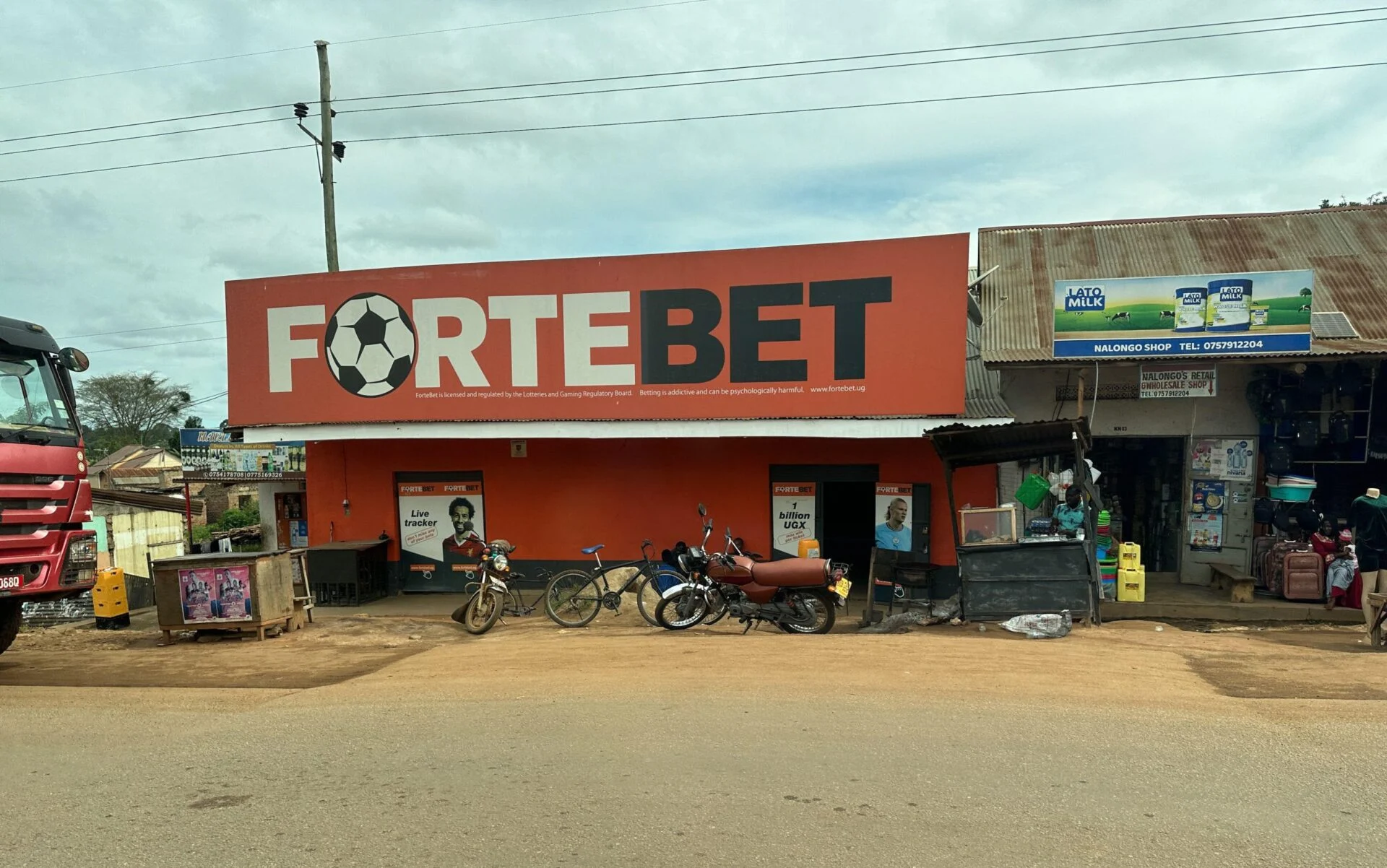
Africa is witnessing significant growth in the gaming sector, driven by a trend towards regulation and the establishment of licensing frameworks. The potential for expansion is substantial, reflected in the year-on-year growth of both retail and online betting across the continent, from South Africa to Nigeria.
As business flourishes, the question remains about how much of this growth will occur within regulated markets. Maintaining market share in the regulated sector is not just an African issue; it’s a common challenge worldwide. However, the stakes feel particularly high in Africa, where onshore operations can generate crucial state revenue and provide protections for consumers against the challenges many face in the informal market.
South Africa serves as an early model for regulation, being the continent's leading market with an estimated ZAR1.5 trillion ($89 billion) wagered during the financial year 2024-25. Jon Russell, former director of Betway Group, noted that South Africa established the first framework for gambling regulation in Africa with the National Gambling Act, enacted after Apartheid in the late '90s. Russell experienced firsthand the fragmented regulatory environment when he helped launch a corporate betting operation in the region.
Russell explained that the Western Cape was more receptive to corporate licensing than other provinces, a dynamic that has since repeated across African markets. He asserts that regulatory attitudes significantly impact where legitimate operators can thrive while the informal market fills the gaps left by inadequate regulation.
Despite many African nations having legalized gambling on paper—about 45 out of 54—realities often differ. For instance, in the Democratic Republic of Congo, reports indicate that while the iGaming sector has generated approximately $1.7 billion annually, the government has only collected around $1 million in taxes. Sean Coleman, CEO of the South African Bookmakers' Association, pointed out that many African jurisdictions currently lack effective licensing systems. He argues that fewer than 15 can be deemed to have operational frameworks that function adequately.
Although Africa is still early in its regulatory evolution, progress is rapidly occurring. Russell likens the continent's current state to Europe in the early 2000s, understanding that the informal market needs structure and experimenting with various regulatory models is essential for addressing the challenges posed by illegal operations.
The success of onshore growth is hinges on ensuring licensed options attract players. Russell emphasized the importance of matching the black market in user experience, suggesting that local informal bookmakers pose serious competition. Regulated operators must enhance accessibility and capitalize on the security and integrity they can offer, which illicit operators cannot.
However, Coleman stressed that the burden shouldn’t solely fall on operators. Regulatory frameworks must remain flexible, as many were originally designed for land-based gaming and are gradually adapting to a rapidly growing online landscape. He pointed out that excessively stringent regulations could push consumers towards unlicensed alternatives.
Payment systems present another significant challenge. Both Coleman and Russell assert that the competitive edge of the black market often lies in its superior ability to handle local payments. Until this barrier is effectively addressed, regulated operators will struggle to compete.
As Africa's gambling revenue is expected to reach $22 billion by 2029, the stakes are high. H2 Gambling Capital found that over a quarter of online Gross Gaming Revenue (GGR) is derived from unregulated sources, indicating that regulated markets need to be more competitive. Russell maintains that clear licensing processes and reasonable tax structures are crucial for attracting legitimate operators. Prohibitive regulations can drive these entities to informal markets, underscoring the need for tax models that are sustainable.
Russell noted that taxation should be based on GGR rather than turnover to avoid burdening operators whose margins are thin. This shift is vital to foster healthy market growth, as seen in the aftermath of Kenya's harsh tax increases, which only intensified offshore betting.
Regulators must prioritize several principles to ensure onshore growth: crafting clear online licensing frameworks, creating sustainable tax models, enforcing measures against illegal operators, and enhancing cooperation across various regulatory bodies. The ability to enforce these measures is critical, as many African regulators currently lack the technological resources necessary to combat illegal operators effectively.
Russell underscored that regulation without enforcement is meaningless. In markets where informal operators face genuine consequences, the regulated sector has thrived. The progress seen in Kenya illustrates this point, as the country has begun to enforce compliance more rigorously.
Three key regions characterize Africa’s regulated growth: West Africa, experiencing mobile-first mass market expansion; East Africa, entering a regulatory maturation phase; and Francophone Africa, in the early stages of regulatory discussions. Russell highlighted Nigeria as the most significant untapped opportunity due to informal betting activity, while Coleman pointed out South Africa's ongoing strength in online betting.
Despite these opportunities for growth, there remains a risk of regulatory overreach influenced by political pressures, which can lead to negative impacts on revenue and illegal activity. Russell concluded that the future of Africa’s betting markets will depend largely on the regulatory decisions made today, as governments and operators need to strike a balance between extracting revenue and fostering a sustainable marketplace. Both the potential for growth and the shape of that growth will hinge on effective governance and consumer protections.

