
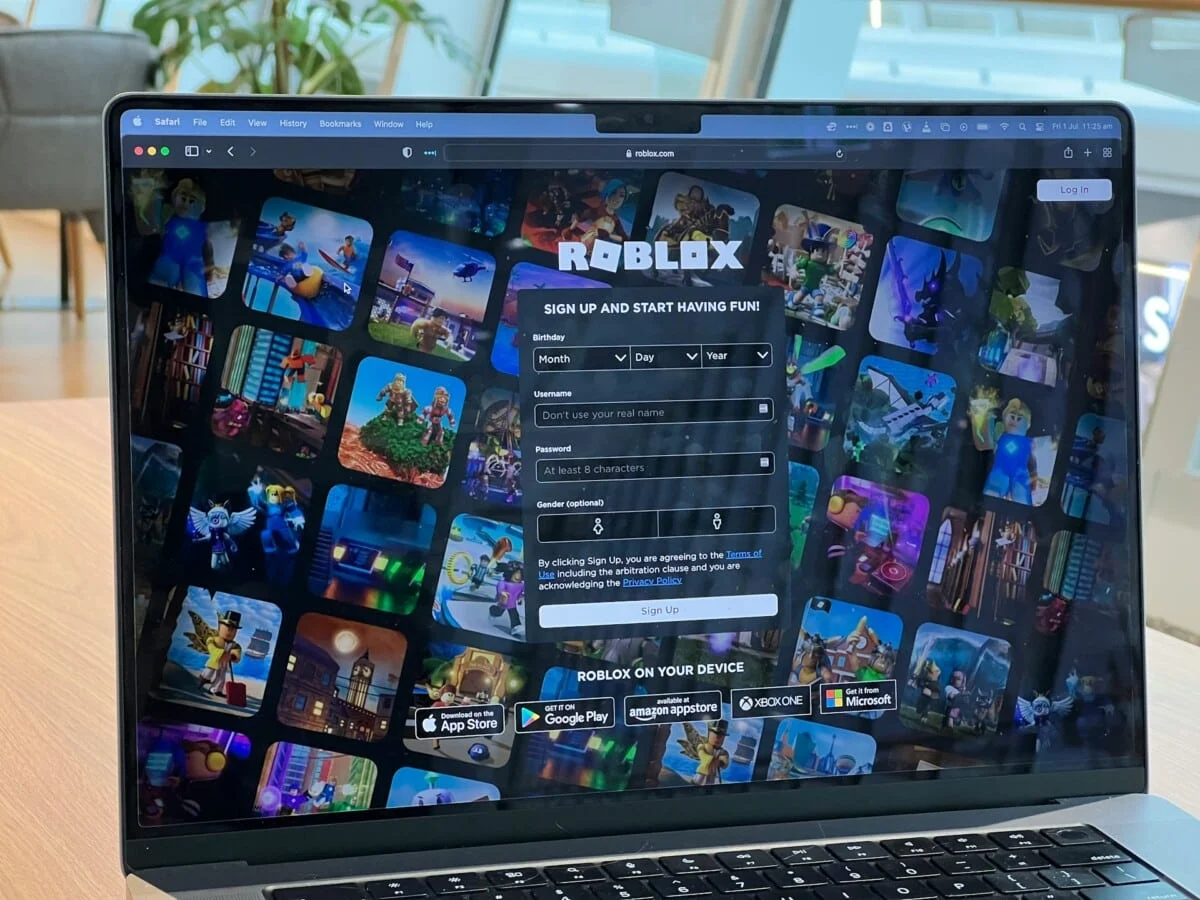
Russian policymakers and lawmakers are currently divided over proposals to label popular video games like Roblox and Minecraft with gambling warnings. At an event hosted by the Russian news agency TASS last week, Andrey Khodynkov, who heads the Russian Center for Combating Gambling Addiction, suggested classifying these beloved titles as gambling platforms due to their addictive features.
Khodynkov noted, "Three-fifths of popular video games, played by around 20 million children, feature gambling-like mechanisms." He emphasized the need for parents to be aware of these addictive qualities, advocating for disclaimers similar to health warnings seen on cigarette packaging.
While Khodynkov did not list all targeted games, he specifically mentioned Roblox and Minecraft, stating that they utilize online casino-style mechanics to keep children engaged. This includes elements like random rewards, in-game purchases, and a relentless quest for rare items.
Regulators attending the TASS event expressed support for Khodynkov's call, indicating they are exploring options to enforce compliance among game developers. Still, they noted that a final decision on the proposals has yet to be made.
Opponents of the proposals argue that micropayments and loot boxes contribute significantly to gambling problems among teenagers. They also point out that children using smartphones from an early age are more susceptible to developing gambling addictions.
However, not all lawmakers agree with Khodynkov’s approach. Vitaly Milonov, a State Duma lawmaker, criticized the center’s plans via Telegram, asking for a pause on targeting games like Roblox and Minecraft. "I would like to ask my respected colleagues and other experts to leave children’s toys alone," he remarked, adding that while games can have both positive and negative aspects, focusing on more pressing issues would be more beneficial. Milonov advised parents to allow their children to enjoy these games while offering guidance about potential negative content, calling the idea of issuing gambling warnings "spirited out of thin air."
In terms of regulatory history, Roblox faced a nationwide ban in Russia in December of the previous year, but due to significant backlash from parents and youths, the ban was lifted last month. Russian officials stated that Roblox would comply with regulations designed to protect younger users, including implementing age verification methods.
Furthermore, the Center for Combating Gambling Addiction has criticized the Russian sports sector for its dependence on betting firms, with Khodynkov asserting that the entire industry is funded by these companies. Statistics from the State Duma’s Committee on Budget and Taxes reveal that around 12% of Russian adults struggle with gambling addiction, predominantly affecting males between the ages of 25 and 44.

