
The National Basketball Association (NBA) has formally approached the Commodity Futures Trading Commission (CFTC), becoming the second major U.S. sports league to do so regarding sports prediction markets. This letter was made public on the CFTC website on Thursday, following a similar submission from Major League Baseball on March 7.
In her statement, NBA Vice President Alexandra Roth expressed concern over the significant integrity risks posed by prediction markets. Federally legal platforms like Kalshi, Robinhood, and Crypto.com enable users to engage in buying and trading futures contracts based on sports outcomes. Critics argue that these markets circumvent existing state wagering laws, a point that has faced some judicial scrutiny without a definitive resolution thus far.
Kalshi successfully navigated legal challenges from the CFTC in federal court last autumn, allowing it to offer betting on elections. Since then, the exchange has expanded into sports betting, leading to cease-and-desist orders from numerous state regulators, particularly in Nevada, New Jersey, and Maryland.
Kalshi has countersued in these states and has won preliminary injunctions in both New Jersey and Maryland. In light of increasing opposition, the CFTC had planned a discussion regarding this issue for April 30, but it faced organizational challenges and was ultimately canceled without further details.
The NBA's involvement highlights the close ties between sports leagues and sports betting. NBA Commissioner Adam Silver has been an outspoken advocate for legalized betting since writing a 2014 op-ed in the New York Times that predated the Supreme Court's decision to overturn PASPA.
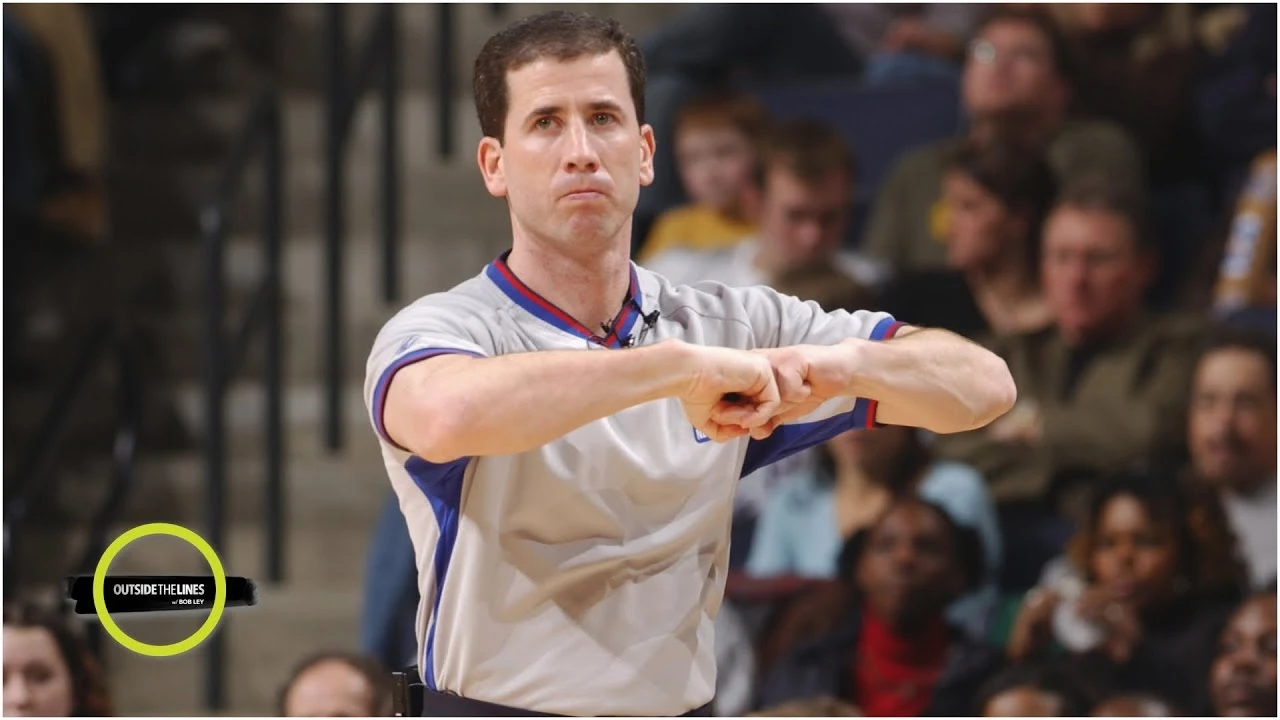
In that article, Silver warned that insufficient legal options for betting were fostering a black market, detrimental to consumers and the integrity of the league. This concern is underscored by the infamous scandal involving former NBA referee Tim Donaghy, who was implicated in betting on games he officiated.
Now, nearly ten years after the repeal of PASPA and as leagues have increasingly embraced betting, the NBA is once again raising alarms, this time about the implications of prediction markets. "Protecting the integrity of NBA basketball and preserving public confidence in our league and our sport is our highest priority," Roth wrote in her letter to the CFTC. "That principle has guided our approach to the rise of legal sports betting in the United States and is guiding our study of the sports betting-like products replicated in sports prediction markets today."
The rapid expansion of prediction markets is noteworthy. Initially, platforms like Kalshi offered long-term bets on season outcomes, but they have quickly evolved to include individual game contracts, which have become some of the most traded on these exchanges.
Kalshi's trading volume saw significant activity from April 26 to 27, particularly for NBA and MLB contracts, which far surpassed non-sports markets. The ability of these exchanges to self-certify contract offerings allows for a speed of market entry that traditional sports betting operators cannot match, as they require state regulators' approval before launching new bet types. Roth pointed out that this self-certification process may lead to fast-tracked markets focused on player performances or officiating decisions.
For the NBA, player prop bets present an especially troubling avenue. The league recently banned former Toronto Raptors player Jontay Porter for life after he left games early to benefit from prop bets on his performance. Porter ultimately pleaded guilty to conspiracy to commit wire fraud last July, and his case has resulted in several additional indictments. Another player, Terry Rozier, is under investigation after he exited a game early under suspicious circumstances tied to betting activity.
These incidents were flagged by betting integrity monitors, essential third-party entities that detect irregular betting patterns. The NBA expressed concern that prediction markets currently lack clear requirements for exchanges or brokers to report suspicious trades or cooperate with league investigations. Roth noted that existing protocols give leagues little ability to monitor integrity risks, which could amplify as these markets grow.
Prior to Porter's suspension, Silver had labeled such actions as a severe violation of league integrity rules. The NBA collaborates with global data provider Sportradar for monitoring betting patterns, while IC360, another leading integrity monitor based in Las Vegas, has outlined a partnership with Kalshi. The departure of IC360 founder Matt Holt has raised questions about the integrity monitoring landscape.

