
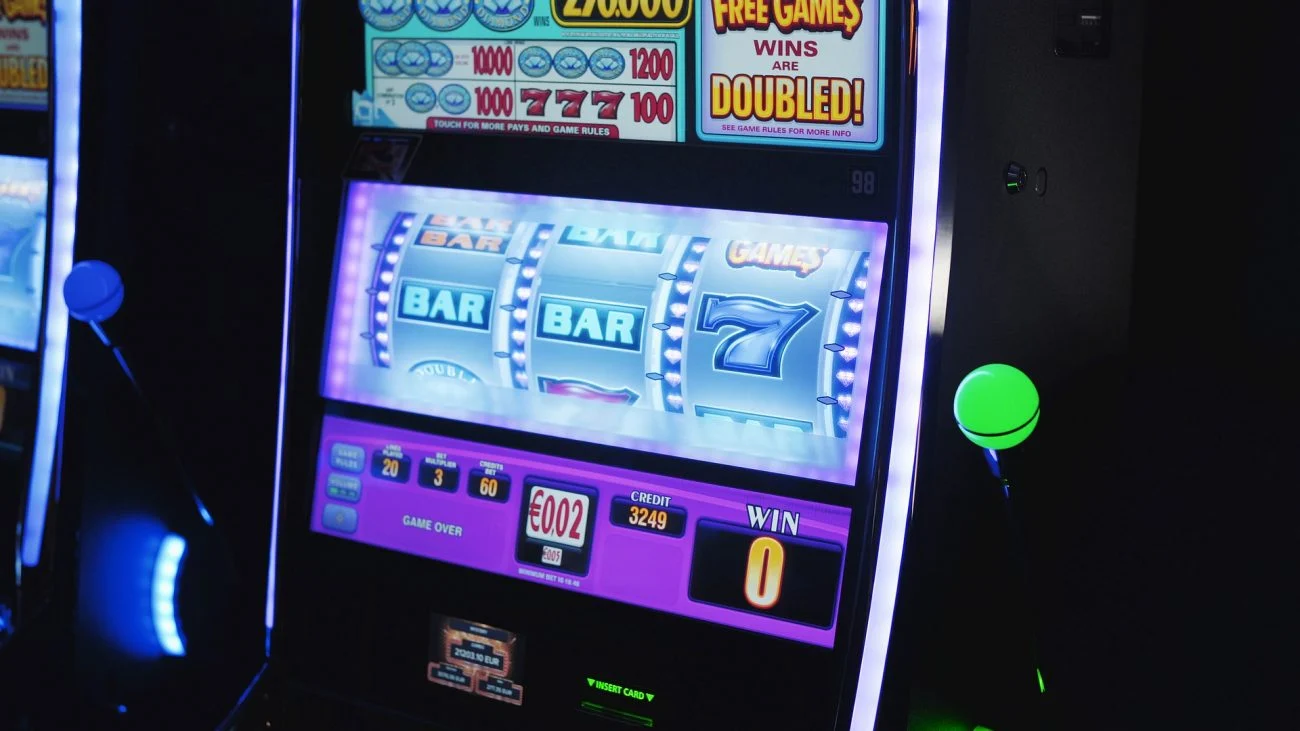
Germany’s gambling authority has responded to industry feedback by lifting the controversial €1 staking limit for online slot games. Effective July, licensed operators are permitted to raise stakes beyond the previous cap, with the option to set limits at €3 or €5 per spin.
However, this flexibility is restricted to qualifying players. Those over 21 years old can bet up to €3 per spin, while to access the €5 limit, players must have demonstrated no signs of problematic gambling in the past 90 days.
Licensed operators are now required to engage in diligent monitoring of player behavior to identify any signs of harmful gambling. Should any indicators arise, operators must take appropriate actions, which may include reaching out to the player, limiting their gambling activities, or even suspending their accounts.
The changes aim to adapt to evolving market dynamics while aligning with the goals of Germany’s State Treaty on Gambling (GlüStV), which emphasizes maintaining robust player protection and preventing gambling addiction.
Operators have expressed that the lifting of the stake limit underscores an acknowledgment of the challenges facing Germany's online casino regulations, which have not effectively attracted players to the legal market.
Following this significant regulatory shift, online operators in Germany have voiced strong support. Entain described the adjustment as a “positive signal” for the country’s licensed gambling market. Simon Priglinger-Simader, senior regulatory affairs manager at Entain and vice president of the German Online Casino Association (DOCV), noted the federal states’ commitment to reassessing existing regulations to meet the goals of the Interstate Treaty on Gambling. He hopes this decision will draw more players back to the regulated market.
Under the Interstate Treaty, the Joint Gambling Authority of the Federal States (GGL) has the authority to adjust stake limits based on market conditions, but such decisions must receive approval from representatives of the 16 federal states that comprise the authority’s administrative board.
Priglinger-Simader pointed out that this move reflects a growing realization among lawmakers of the difficulties the regulated industry faces in competing with illegal markets. He stated, “It’s clear that the states wouldn’t have made this change if they hadn’t seen the issue with channelization and with the limited products we have been offering.”
The decision comes just ahead of a crucial review of the Interstate Treaty, which is expected to be completed by year’s end. This review, conducted by representatives from the 16 federal states, marks the first evaluation of the legislation since it was enacted in 2021. Its objective is to determine whether the treaty has met essential goals, such as directing players into the legal market and preventing problematic gambling.
For the industry, the situation is critical. Stakeholders have been advocating that restrictive regulations, high taxes, and protracted approval processes hinder their ability to effectively compete with the black market. According to the DOCV, the current online channelization rate is only “in the mid-double-digits,” which raises concerns about player protection.
While no major structural changes are anticipated from the review, there seems to be a growing recognition among lawmakers of the need to create a more appealing legal market. Luka Andric, managing director of the German Sports Betting Association (DSWV), stated, “What has changed is a growing awareness that the current framework is not fully achieving one of its central objectives: creating a sufficiently attractive legal market.” He called for concrete progress, such as the increase in stake limits, to ensure effective player protection.
Priglinger-Simader remains cautious, suggesting that the review could yield a mixed outcome due to the varying perspectives among the 16 states. He anticipates that some states may provide positive feedback while others will likely remain critical. However, there are prospects for favorable changes, especially regarding online table games, which are currently banned, and potential adjustments to the five-second spin rule for slots.
Presently, games are required to operate at an “average” spin speed of five seconds, allowing shorter and longer spins to balance out over a gaming session. The DOCV is in discussions with the GGL regarding providing operators with more flexibility in this area.
Another significant issue is the pending amendment of deposit limits, which are set to expire at the end of the year. Currently, player deposits are capped at €1,000 monthly, with select customers able to raise this limit significantly after passing screenings. Should a third draft be proposed to amend these limits, it may seek a compromise to allow higher limits alongside more rigorous credit and income assessments, though there is concern about reverting to a blanket cap.
For now, the legal market can celebrate this recent advancement, as most operators have already begun increasing their stake limits and implementing necessary tracking measures to safeguard player welfare. The long-term impact of these changes and whether they signal a shift in regulation will become clearer once reviews are finalized. As Priglinger-Simader noted, “similar measures will also be needed in other areas” to improve channelization rates in the future.

