
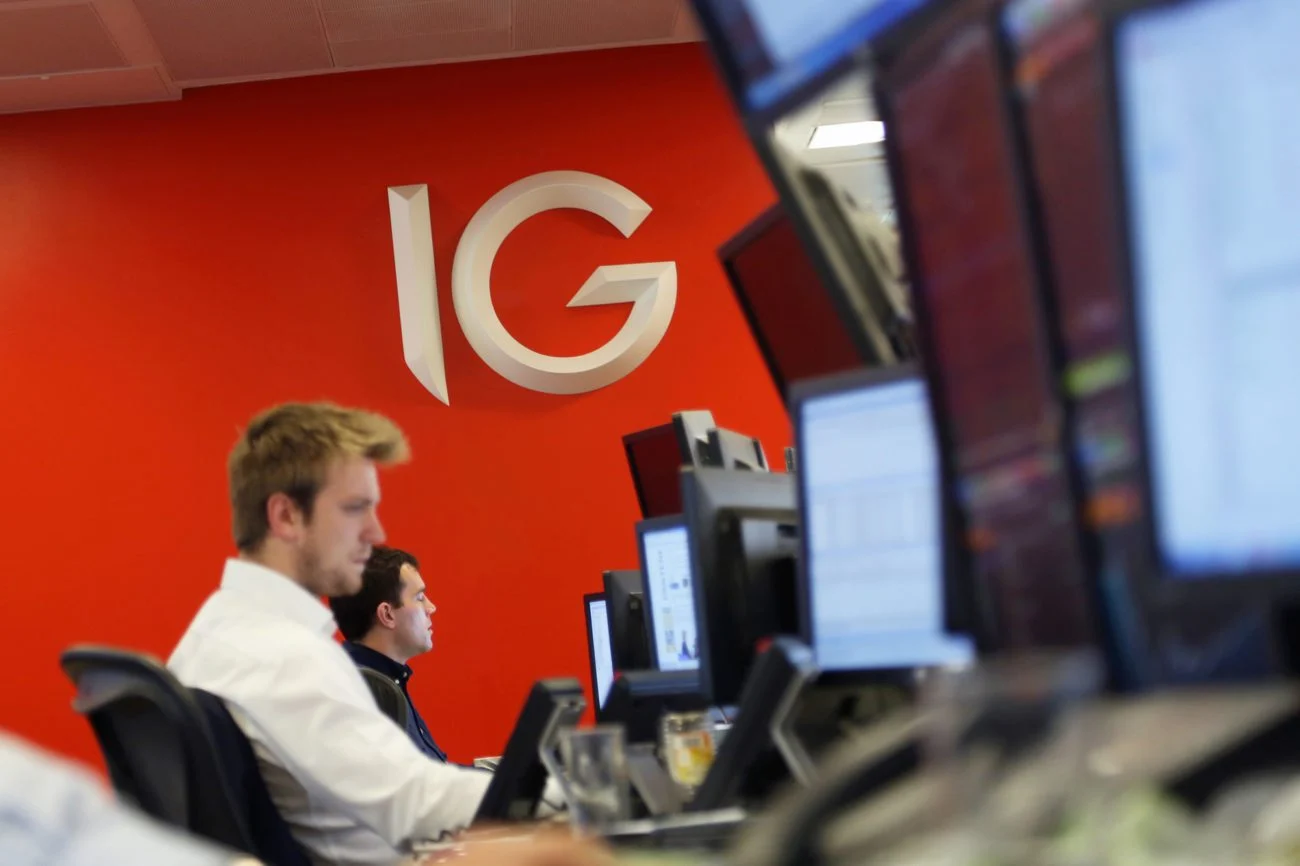
IG Group has made headlines with its decision to acquire Underdog Sports Holdings, a move that many see as a strategic investment in the future of prediction markets. On July 30, IG Group announced it would buy Underdog for an approximate upfront enterprise value of $1.1 billion, along with an additional earn-out for shareholders that may reach up to $200 million. Employees of Underdog stand to benefit as well, with a management incentive plan (MIP) that could reward them with as much as $850 million, contingent on delivering exceptional growth and earnings in the years ahead. Completion of this deal is anticipated between late 2026 and early 2027.
This $1.3 billion figure may sound staggering, but a closer look reveals it includes a significant portion designated for performance-based payments rather than immediate cash payouts. The MIP, while part of the overall value, serves as an incentive tied to the company's growth potential, rather than money exchanged for ownership.
Ben Robinson, a partner at Corfai, argues the headline number can be misleading. He believes that IG's actual investment of about $1.1 billion equates to approximately 2.4 times Underdog's revenue over the past year, which is manageable for such a high-stakes acquisition. He points out that even when considering the full earn-out, the valuation only slightly increases to about 2.8 times revenue, a figure not vastly out of line with industry standards.
Looking at potential comparables, Robinson notes that PrizePicks was valued at around $2.5 billion or 2.9 times its recent revenue when acquired by Allwyn. While Underdog’s valuation appears lower rate-wise, it commands a higher valuation based on earnings due to its lower profit margins.
Robinson states, "It's paid a sensible DFS revenue multiple for a business whose earnings are still catching up, and structured most of the expensive upside around performance. In other words: prove it first."
The deal's structure pushes much of the valuation’s potential upside into future performance-based earn-outs, indicating that IG Group is betting on Underdog’s ability to significantly boost earnings. As part of this MIP, the first payout kicks in once Underdog hits $140 million in EBITDA by 2028, which is a substantial leap from its first-half annualized run-rate of approximately $115 million. For maximum payouts, the company would need to reach $400 million of EBITDA in 2028 and $700 million in 2029.
While Underdog has enjoyed impressive growth, boasting a net revenue of $466 million for the year ending in June 2026—showing a 21% year-on-year increase—there is concern about a possible slowdown in momentum. In fact, Robinson highlights that Underdog's growth rate diminished to around 11% in the first half of 2026. This prompts a significant question: Is the rise in prediction markets generating truly new revenue, or are consumers simply reallocating their spending from traditional daily fantasy sports (DFS)?
IG Group’s acquisition is shaped by these uncertainties, especially considering pressures from government regulation concerning how prediction markets are categorized—whether as financial products or gambling—which could greatly impact growth potential. As pointed out by Sam Martin, a Wiggin lawyer, this deal reflects both optimism for growth and a form of hedging against potential regulatory challenges that could impede expansion.
There are numerous regulatory obstacles on the horizon. State regulators, tribal entities, and existing gaming interests are currently assessing whether sports contracts in prediction markets should fall under financial regulations rather than gambling, leading to various legal disputes.
Ed Birkin from H2 Gambling Capital is skeptical, stating, "The valuation makes sense if you believe that the market is going to continue to grow, but if it gets shut down in many states, the outlook changes significantly."
Another layer of complexity is the relationship between IG Group’s CEO, Breon Corcoran, and Underdog founder, Jeremy Levine. Corcoran previously acquired Levine's DFS company DRAFT back in 2017 when he was with Paddy Power Betfair. With a personal stake in Underdog equivalent to 0.34% of its diluted shares, Corcoran's involvement in this deal holds significance beyond mere business sense.
This acquisition not only positions IG Group in the expanding prediction market but also carries the weight of accumulated knowledge and experience with Levine's entrepreneurial journey. Yet, the structure of the deal suggests IG Group remains cautious, unwilling to commit fully to future projections without substantial performance achievements by Underdog.
In the competitive arena, Underdog currently trails behind frontrunners Kalshi and Robinhood in regulated notional volume. Despite launching its exchange in July, the initial growth appears tied to external frameworks. IG Group aims to capitalize on its expertise in trading to help Underdog enhance its market share, especially in liquidity—which remains a critical factor for success.
Experts express skepticism around whether IG Group's expertise alone will suffice for a competitive edge, with Oliver Jones from Partis Capital noting that the prediction markets are still dependent on sports and may need additional specialized insights to thrive. Chris Grove, a partner emeritus at Eilers & Krejcik Gaming, similarly views the landscape as fluid, highlighting that leading companies in prediction markets may not achieve monopoly-like conditions present in traditional sportsbooks.
Underdog is a significant player given its existing customer base and brand. However, the transaction also places added pressure on established entities like DraftKings and FanDuel, which have already begun exploring their own prediction market approaches.
The evolution within the prediction market space is evident, with Jones commenting on a broader shift among sportsbook operators toward acquiring a greater share of the market value chain.
Overall, as IG Group advances into this substantial acquisition, the potential for further investment hinges on how the prediction markets evolve and whether Underdog can fulfil its immense growth expectations amidst ongoing regulatory uncertainty. Investors appear cautious, as reflected by a roughly 20% drop in IG’s shares following the announcement, underscoring the disparity between management’s long-term optimism and investor sentiment.

