
Evoke reported mixed results for the first half of 2026, with revenue remaining largely unchanged amid challenging tax increases in the UK as its anticipated takeover by Bally’s Intralot moves closer. The company’s revenue slipped slightly to £887.5 million from £887.8 million compared to the same period last year.
Evoke’s EBITDA fell by 12% to £124.8 million, while adjusted EBITDA was reported at £150.2 million, which the company described as meeting expectations. A significant factor in this decline was a £46 million increase in gaming duties, largely tied to the UK’s raise of its Remote Gaming Duty rate from 21% to 40% effective April 1, 2026.
Despite these headwinds, Evoke managed to offset over half of the duty increase in the first half of the year through reduced, more efficient marketing spend, improved promotional efficiency, and operational cost savings.
CEO Per Widerström remarked on the company’s ability to adapt, noting the resilience demonstrated amidst increased gaming duties across key markets, especially in the UK. He stated, “The first half demonstrated the resilience of the business in a significantly more challenging operating environment following substantial increases in gaming duties introduced across some of our core markets, most notably in the UK.” Widerström credited operational improvements that have helped sustain profitability and cash flow even amid cost increases.
In terms of regional performance, Evoke experienced a 4% growth in its UK&I online revenue, driven by a 7% surge in gaming revenue, notably from William Hill. Adjusted EBITDA from the UK&I online segment was up 28%, showing strength despite the adverse conditions.
However, revenue from the 888 segment decreased, reflecting Evoke's strategic pivot towards prioritizing profitability over volume. Internationally, the company’s revenue fell by 2%, despite notable growth of 21% in Italy and 13% in Denmark. The performance in Spain, Romania, and other markets in the “Rest of World” category adversely impacted overall figures, with international adjusted EBITDA dropping 20% due to rising duty rates.
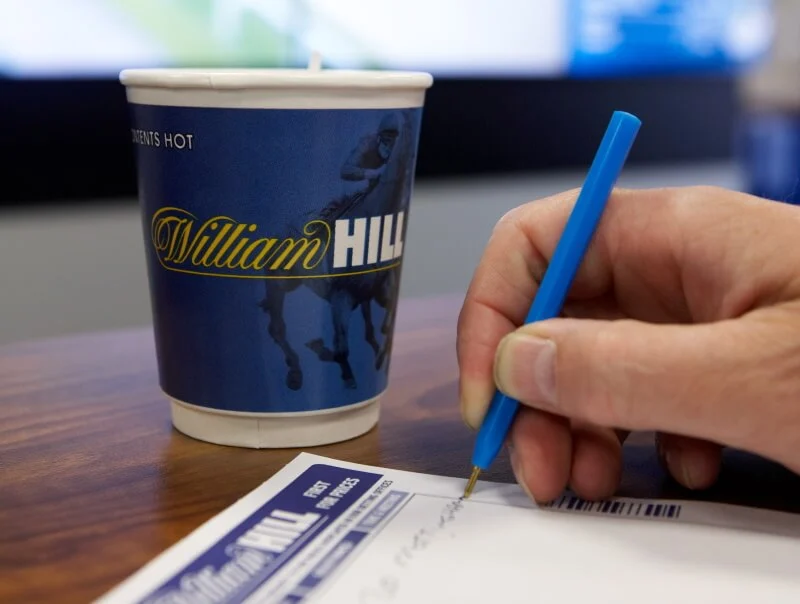
As for Evoke’s retail sector, revenue saw a 4% year-on-year increase on a like-for-like basis, aided by the rollout of gaming machines in 2025 and enhancements to self-service betting terminals. Nonetheless, total retail revenue declined by 3%, influenced by a reduction in the retail estate, with Evoke shutting down approximately 270 retail shops compared to the same time last year. This included the closure of 200 William Hill locations in May 2026, accounting for about 15% of its retail footprint. Moving forward, Evoke plans to focus on improving the profitability of its active shops.
The acquisition by Bally’s Intralot, announced in June, involves an all-share deal valued at around £243.1 million. Evoke has been exploring strategic options for its business since initiating a review in December 2025, partly prompted by rising taxation. While several steps, including shareholder and regulatory approvals, are still necessary for the deal's finalization, it is expected to conclude in either the fourth quarter of 2026 or the first quarter of 2027. Widerström emphasized that the company’s priorities remain unchanged until the takeover is finalized, continuing efforts to serve customers, support employees, and maintain disciplined operations. Evoke did not issue any forward financial guidance due to the impending acquisition.

