
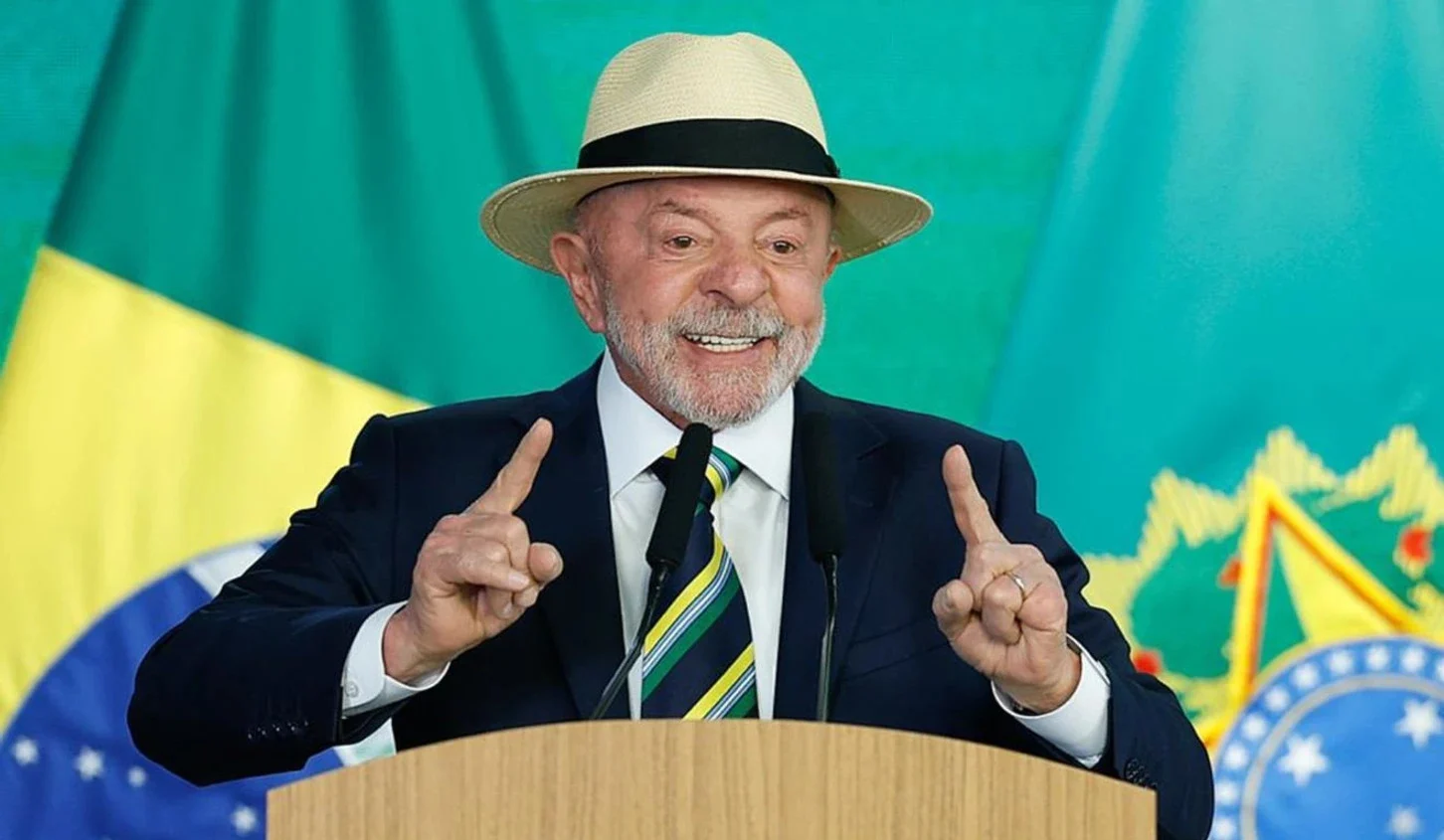
President Luiz Inácio Lula da Silva of Brazil is set to propose a provisional measure to Congress this week aimed at tightening regulations on betting across the country.
As reported by CNN Brazil, the administration is contemplating broadening restrictions on advertising related to betting and potentially prohibiting online casino games altogether, opting instead to allow only sports betting.
By utilizing a provisional measure, the government can enforce these restrictions immediately, just weeks before the elections. This move signals a strategy to leverage the sector for political gain, aiming to bolster Lula's chances of re-election.
The Civil House is reportedly in charge of drafting the measure, with speculation that it is motivated by electoral strategy amid rising criticism against the betting industry.
In recent times, the betting industry in Brazil has come under increased scrutiny due to concerns that families are incurring significant debt as a result of gambling.
Political divisions have surfaced regarding the proposed regulations, as the president is opting not to pursue these changes through a formal legislative process. This decision is viewed as a way to maintain immediate political momentum before the upcoming elections.
Within the government, some factions, particularly the Ministry of Finance, are pushing back against more severe measures. The Ministry, which oversees the regulation of sports betting and online gaming, recognizes the sector's importance to the economy. Finance Minister Dario Durigan faces the challenge of persuading Lula of the value of a properly regulated gambling industry for public finances. Lula, however, has expressed a desire to terminate betting in Brazil, aligning his views with many critics.
Support from the Workers' Party indicates that roughly three-quarters of Brazilians oppose betting establishments, providing a rationale for the president's critical stance.
In terms of fiscal impact, the president's proposal does not address the substantial tax revenue generated from betting activities. In 2025, Brazil generated nearly BRL10 billion ($1.97 billion) in tax revenue from the licensed betting sector. In just the first seven months of this year, the sector contributed BRL8.7 billion to public funds, with projections estimating that it could reach BRL16 billion in tax revenue by 2026.
In addition to tax revenue concerns, there are legal and economic ramifications. Since the regulation of the betting sector, companies have paid over BRL2.5 billion for licenses. Abolishing this activity could lead to legal battles over recovering these payments and compensating investments made. Furthermore, tax revenues from betting are already accounted for in the Annual Budget Law and the Budget Guidelines Law, which outline federal spending priorities.
The industry remains apprehensive not just about the possibility of severe restrictions on legalized betting, but also due to the government's ongoing struggles to regulate the illegal betting market, which still constitutes nearly half of the total segment.

