
Texas, known for its vast landscape and spirited identity, is also becoming a significant player in the realm of prediction markets. Recent trading volumes have illustrated this reality dramatically. For example, last Sunday, activity surrounding an NFL game between the Dallas Cowboys and the New York Giants saw trading exceed $208 million across US markets, according to figures from Aldrin Research. At Kalshi, the volume from this NFC East matchup was the highest for any NFL regular-season game last year.
The popularity of prediction markets extends beyond the NFL. Texas holds a deep-rooted passion for college football, exemplified when Ohio State faced Texas in a highly anticipated Top 5 matchup on September 12, leading to over 50.7 million contracts traded, as reported by Odds Shopper. This surge in trading activity set the stage for a pivotal legislative hearing just days later in the Texas Senate.
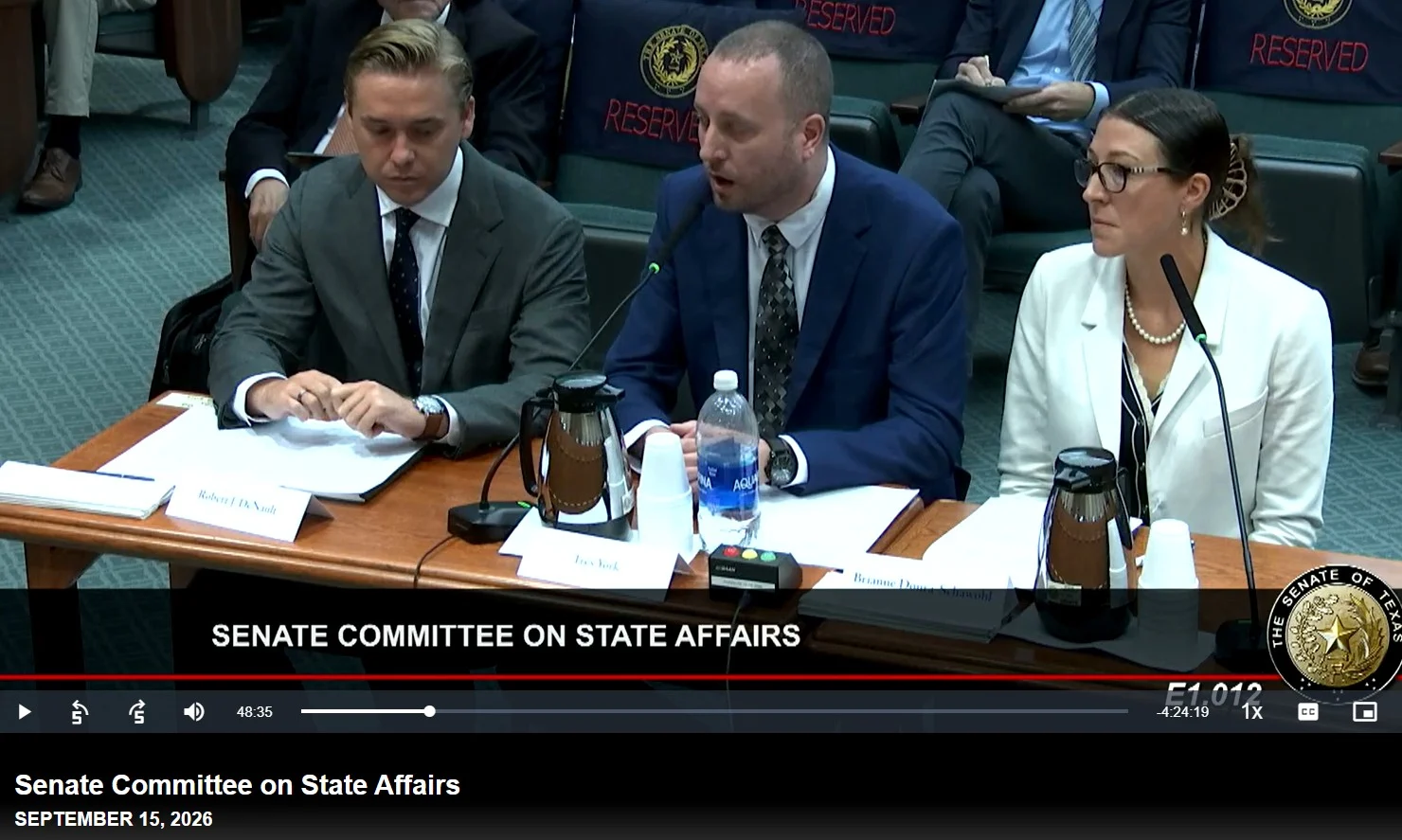
The 62-minute hearing, convened by Texas state Senator Bryan Hughes, showcased representatives from Kalshi and a significant lobbyist from the American Gaming Association (AGA). Their discussions laid the groundwork for the state’s upcoming evaluation of prediction markets. As Texas gears up for major electoral races for governor, attorney general, and US Senate next year, the outcomes could profoundly influence the future of prediction markets in the state.
The hearing unfolded just months ahead of the midterm elections, where senators examined the dynamics between federally regulated derivatives markets and the state's gambling laws. A report from Eilers & Krejcik Gaming indicated that 43% of sports-event contract activity stemmed from Texas and California, although precise metrics isolating Texas activity were unavailable in the public domain.
During Tuesday's session, AGA Vice President Tres York testified alongside Robert DeNault, Kalshi's enforcement head. The AGA, which has been a vocal opponent of prediction markets, posited that an event contract on the Cowboys winning is fundamentally equivalent to a wager placed at a traditional sportsbook.
Currently, sports wagering remains prohibited in Texas, where three-term Governor Greg Abbott faces re-election in November, just like his lieutenant governor, Dan Patrick. Patrick has been a staunch opponent of legalizing sports betting and has thwarted several efforts since the landmark PASPA ruling in 2018.
The intense political atmosphere also involves Texas Attorney General Ken Paxton, who is in a contentious Senate campaign against Democrat James Talarico. The next AG will likely be either Republican Mayes Middleton from Galveston or Democrat Nathan Johnson from Dallas, both state senators.
Senator Bob Hall, who represents District 2, which includes parts of Dallas, drew comparisons between event contracts and sports wagers. "They’re different costumes on gambling," he remarked, suggesting they merely differ in presentation.
York suggested imposing an order that would geofence prediction markets’ operations within Texas, advocating legal actions in state court instead of federal courts, where state AGs have seen limited success. He remarked, "Prediction markets think they can mess with Texas. I hope you prove them wrong."
DeNault countered that federally regulated prediction markets provide a "safer alternative" compared to many offshore options lacking consumer safeguards. "You can go the combative route and ban something that’s federally regulated, but you end up with a bunch of customers in Texas just going offshore," he cautioned.
In addition, Brianne Doura-Schawohl, a recognized expert on problem gambling, highlighted that over half of surveyed Gen Z individuals consider sports betting and prediction markets part of their future financial strategies. She also raised concerns regarding Kalshi’s competitor allowing minors 17 and older to connect their investment accounts to trade event contracts, describing such access as "very dangerous" for vulnerable teens.
Meanwhile, Kalshi achieved a milestone by partnering with the Tunica-Biloxi Tribe of Louisiana on Friday, becoming the first prediction market to collaborate with a federally recognized sovereign nation. The tribe announced a new tribal prediction market app, set to launch through SaltTrade Derivatives, leveraging Kalshi’s market infrastructure and expertise.
Tunica-Biloxi Chairman Marshall Pierite expressed enthusiasm for the partnership, stating, "This initiative carries that tradition into the modern economy." The collaboration follows a meeting between Indian Gaming Association leaders and CFTC Chair Michael Selig, focused mainly on prediction market discussions deemed largely unproductive.
In another related development, the Ninth Circuit Court recently reversed a lower court ruling in Blue Lake Rancheria v. Kalshi, declaring Kalshi’s sports event contracts unauthorized under the Indian Gaming Regulatory Act (IGRA) when accessed on tribal land. IGA Chair David Bean stated, "Today’s decision reinforces a fundamental principle: when sports wagering occurs on Indian lands, federal Indian gaming law matters."

