
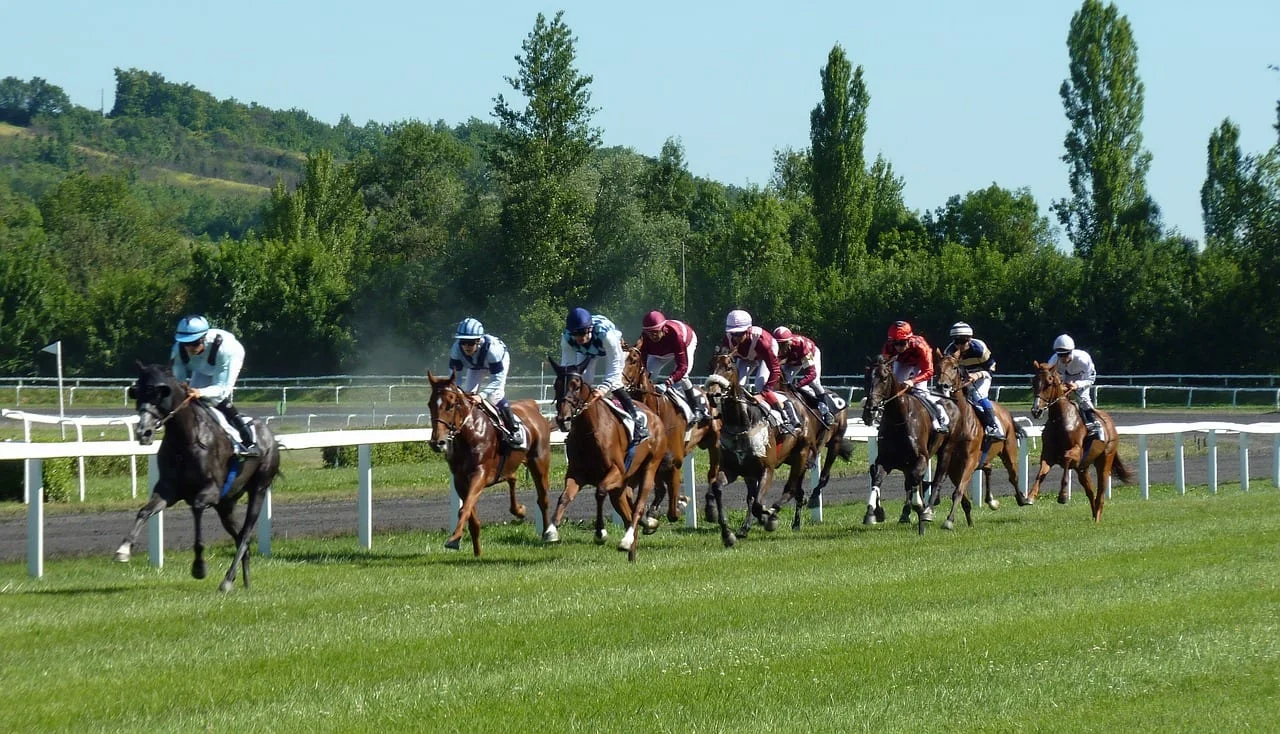
An analysis by Regulus Partners warns that the UK government's proposal to double the Machine Games Duty (MGD) could worsen the decline of British high streets and result in significant tax revenue losses. The consultancy predicts the horse racing industry may suffer a staggering annual revenue drop of roughly £92 million ($121.6 million) if the duty increases.
These concerns surface just before Chancellor John Healey's autumn budget is due later this month.
If the MGD rises to 40%, Regulus estimates that many betting shops will struggle to remain viable. The analysis suggests that as many as 4,000 betting shops might close within the next three years unless measures are put in place to counteract this trend, shrinking the total from approximately 6,000 shops to around 1,500, which represents about 25% of the current total.
Currently, an average betting shop generates annual revenues of approximately £440,000, with income derived equally from category B gaming machines and betting operations. According to Regulus, about 30% of this revenue supports staff, sustaining close to 35,000 full-time equivalent jobs, while around 20% goes to the government in duties and VAT. Additionally, business rates account for 7%-10% of revenues, and roughly 6% is allocated to British horse racing through media rights and a statutory levy.
The proposed MGD increase could impose an additional £45,000 in costs per betting shop per year, wiping out free cash flow and forcing closures. Consequently, Regulus predicts that approximately 1,500 shops could immediately operate at a loss, with a further 1,000 shops potentially facing the same fate within two years due to stagnant revenues and increasing fixed costs.
Regulus indicated that the closure of shops is unlikely to simply shift customers to those remaining. The present market operates with limited capacity, and customers are generally reluctant to change their betting establishments. Since 2014, revenues from horse racing linked to betting shops have barely moved, increasing at a meager 0.7% annually, while revenue per shop has seen only a 1.8% rise per year, both figures lagging behind inflation. Therefore, any revenue lost due to closures is likely to be permanently lost.
The British Horseracing Authority (BHA) has reacted strongly to this projected loss, characterizing the analysis as a stark warning for both the industry and the government. Regulus forecasts that a jump in MGD would cost horse racing about £92 million yearly, representing a third of its income derived from betting, jeopardizing essential funding and research investments.
Greg Swift, BHA's director of communications and corporate affairs, stressed the need for the government to consider the secondary impacts of a tax increase on betting shops and to urgently explore measures that ensure British racing, which supports 85,000 jobs, is placed on a sustainable financial footing.
Both Regulus and the BHA contest the Treasury's belief that increasing MGD would boost tax revenues. Regulus anticipates a possible 32% drop in MGD revenues to around £155 million if the predicted closures occur. They also foresee approximately 28,000 job losses in the broader economy, with impacts on related suppliers and local businesses potentially reaching £500 million annually.
The industry's pushback against the proposed MGD hike continues to grow, highlighted by recent research from Deutsche Bank. This analysis indicates that Rank Group, with a significant land-based presence, may incur the largest challenges if the MGD rises, estimating a cost increase of around £35 million per year. This figure equates to nearly 44% of Rank Group's projected 2028 EBITA, or about 17% of near-term EBITDA, even after some mitigation measures.
Entain CEO Stella David expressed concern that a sharp MGD rise could drive customers towards the black market, estimating that up to £1 billion in betting stakes might leave the regulated sector. She underscored the negative repercussions for high street workers and communities, stating, "They are people losing their jobs and communities losing long-established high street businesses."
Fred Done, owner of Betfred, predicted that the MGD increase could force the closure of 495 Betfred shops within a year, leading to 2,575 job losses and an estimated £67 million in potential tax revenue losses.

