
A study conducted by the University of Bristol has revealed that gambling advertisements continue to saturate the Premier League, despite a voluntary ban on front-of-shirt betting sponsorship for the 2026/27 season. The research noted a total of 15,571 gambling-related messages during the opening weekend of this season, marking only a 10.5% decrease from previous years.
This season marks the first in which Premier League clubs are banned from having gambling sponsors appear on the front of their shirts due to the voluntary restriction that came into effect at the beginning of the campaign. Dr. Raffaello Rossi, who leads the research project, remarked, "This cannot be presented as a success for self-regulation."
The researchers meticulously recorded all Premier League matches aired in the UK from August 21-24, as well as 15 hours of Sky Sports News coverage and 15 hours of TalkSport radio. They also analyzed social media advertising from the top 10 gambling brands with significant followings.
On Wednesday, the report's findings will be delivered to the UK parliament, emphasizing the ongoing prevalence of gambling advertisements.
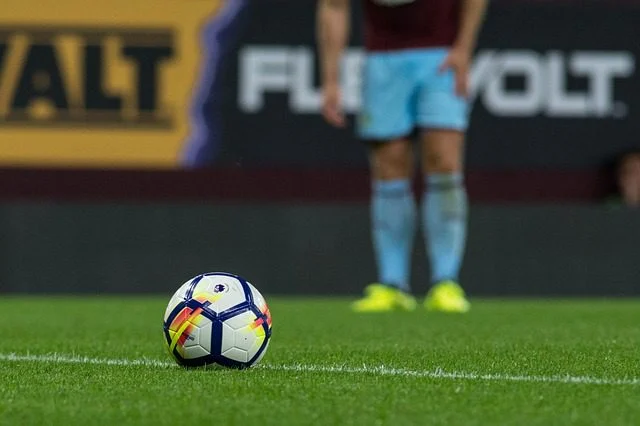
Despite the ban on front-of-shirt sponsorships, the study found that exposure to gambling ads has simply shifted elsewhere within the matchday environment. At least one gambling message was visible for five hours and 16 minutes during the live broadcasts, indicating that nearly one-fifth of the viewing time featured gambling marketing. Pitchside boards were responsible for 72% of the visibility of these messages, while branding on shirt sleeves and training apparel was more than three times higher than in prior seasons.
Rossi highlighted that Premier League broadcasts now feature more gambling advertisements per game compared to similar broadcasts in Germany, Canada, and the United States. In terms of digital marketing, the report identified over 1,000 paid ads on platforms like Facebook and Instagram, reaching an estimated 153.2 million accounts, with individuals aged 18 to 24 comprising over 10% of that reach. Alarmingly, 93% of the gambling marketing identified lacked clear advertising indications.
Former England goalkeeper Peter Shilton, a dedicated supporter of the research initiative, expressed deep concern about the findings. He emphasized that excessive gambling exposure during games could normalize betting as an integral part of the football culture. He stated, "We are not at all anti-gambling but believe more needs to be done to reduce the amount of gambling advertising, especially around the young."
Sir Iain Duncan Smith, co-chair of the All-Party Parliamentary Group for Gambling Reform, stated that these findings demonstrate the inadequacy of the voluntary measures regarding gambling advertisements in football. He noted, "These findings are further evidence that the voluntary approach to gambling advertising in football is failing."

