
The UK government may further endanger British high streets and lose vital tax revenue if it continues with plans to double the Machine Games Duty (MGD), according to an analysis by Regulus Partners.
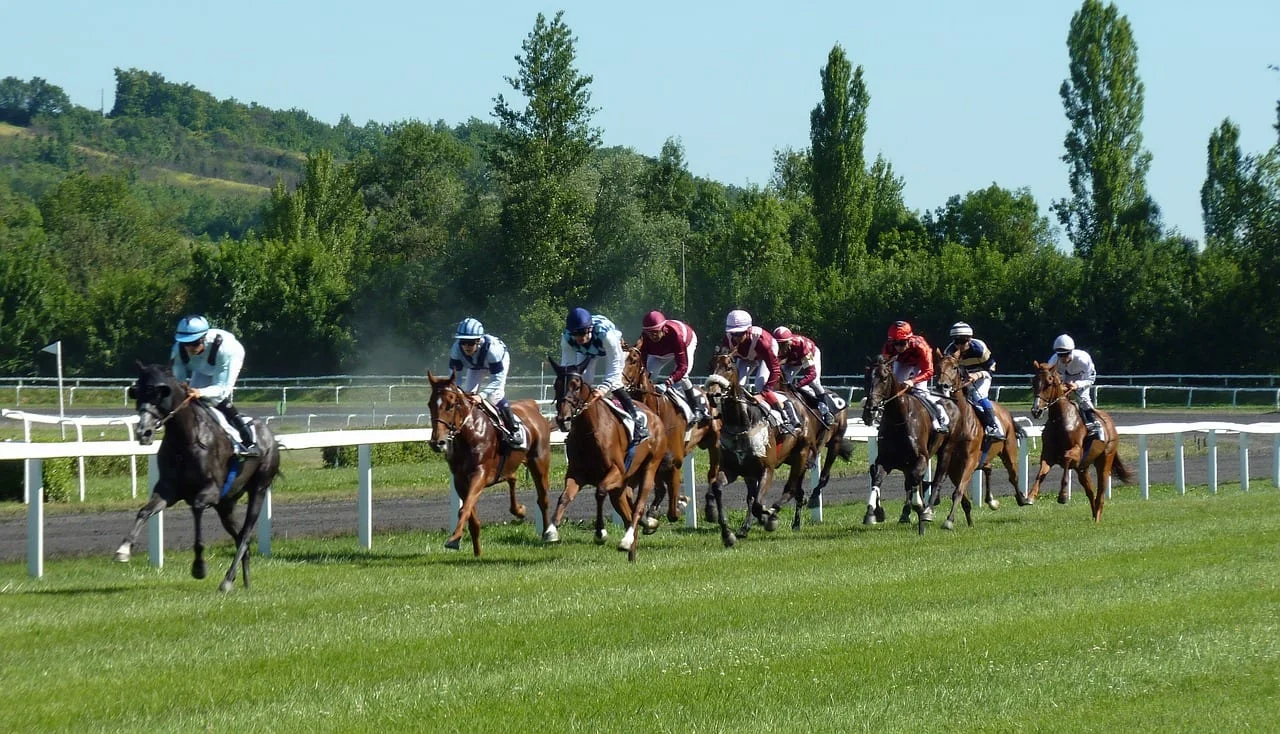
Their findings indicate that should MGD increase, the horse racing sector could see a decline of approximately £92 million ($121.6 million), representing nearly a third of its annual revenue.
This analysis arrives ahead of Chancellor John Healey’s upcoming autumn budget, which is set to be presented later this month.
A potential increase of MGD to 40% would significantly impact the viability of many betting shops. Regulus projects that up to 4,000 betting shops might shut down within three years if no countermeasures are introduced, leaving the UK with only about 1,500 shops — a reduction to roughly a quarter of the current total.
Currently, betting shops generate average annual revenues of around £440,000, equally divided between category B gaming machines and betting services. The report details that approximately 30% of this revenue goes towards staff wages, supporting around 35,000 full-time equivalent jobs. Meanwhile, about 20% is paid to the government in duties and VAT, with business rates accounting for 7% to 10% of revenue. Around 6% is allocated to support British horse racing through media rights and a statutory levy.
With the proposed duty increase, each shop stands to face additional costs of about £45,000 annually, potentially eliminating free cash flow and leading to closures. The consultancy anticipates that around 1,500 shops would immediately operate at a loss and shut down, with an additional 1,000 facing the same fate in the following two years due to stagnant revenues and rising costs.
Regulus warned that shop closures would not effectively redistribute patrons to remaining locations. The current market has limited capacity and customer loyalty is low. Since 2014, revenues from horse racing associated with betting shops have stagnated, growing only 0.7% annually, while revenue per shop has increased just 1.8% each year, both figures falling behind inflation. Therefore, any revenue lost from shop closures is likely to be permanently forfeited.
This prospective revenue loss has elicited a strong response from the British Horseracing Authority (BHA), which characterized the modelling results as a “stark warning” to both the industry and the government. Regulus’s estimates suggest that doubling MGD could result in an annual loss of £92 million for horse racing, threatening essential investments in funding and research.
BHA’s Director of Communications, Greg Swift, urged the government to evaluate the secondary effects of a tax increase on betting shops and to consider protective measures that would secure the future of British racing and its 85,000 associated jobs.
Both Regulus and the BHA contest the Treasury’s belief that doubling the MGD would boost tax revenues. Regulus predicts a possible 32% drop in MGD receipts down to around £155 million if the anticipated closures occur. Additionally, the study forecasts around 28,000 job losses across the wider economy, with related impacts on suppliers and local businesses potentially costing £500 million a year.
The analysis from Regulus represents a growing dissent from the industry regarding the planned MGD increase. Recent evaluations by Deutsche Bank have indicated that the gambling operator Rank Group would face severe challenges due to its extensive physical presence, estimating the increased duty could cost the company nearly £35 million annually.
This added expense could account for about 44% of Rank Group's projected EBITA by 2028, and roughly 17% of EBITDA in the near term, even with some mitigation strategies in place. Prior to offsets, Deutsche Bank suggested that the MGD increase would impose costs equating to about 24% of EBITDA.
Entain’s CEO, Stella David, warned that a significant rise in MGD might drive customers out of the regulated market, predicting that up to £1 billion in betting could shift to the black market. She stressed the impact of such tax increases on workers in high street locations and local communities.
David mentioned, "They are people losing their jobs and communities losing long-established high street businesses,” highlighting the broader implications of the proposed hikes in gambling taxes.
Betfred's owner, Fred Done, stated that the MGD increase could force Betfred to close 495 of its shops within a year, resulting in the loss of 2,575 jobs and approximately £67 million in lost tax revenue.

