
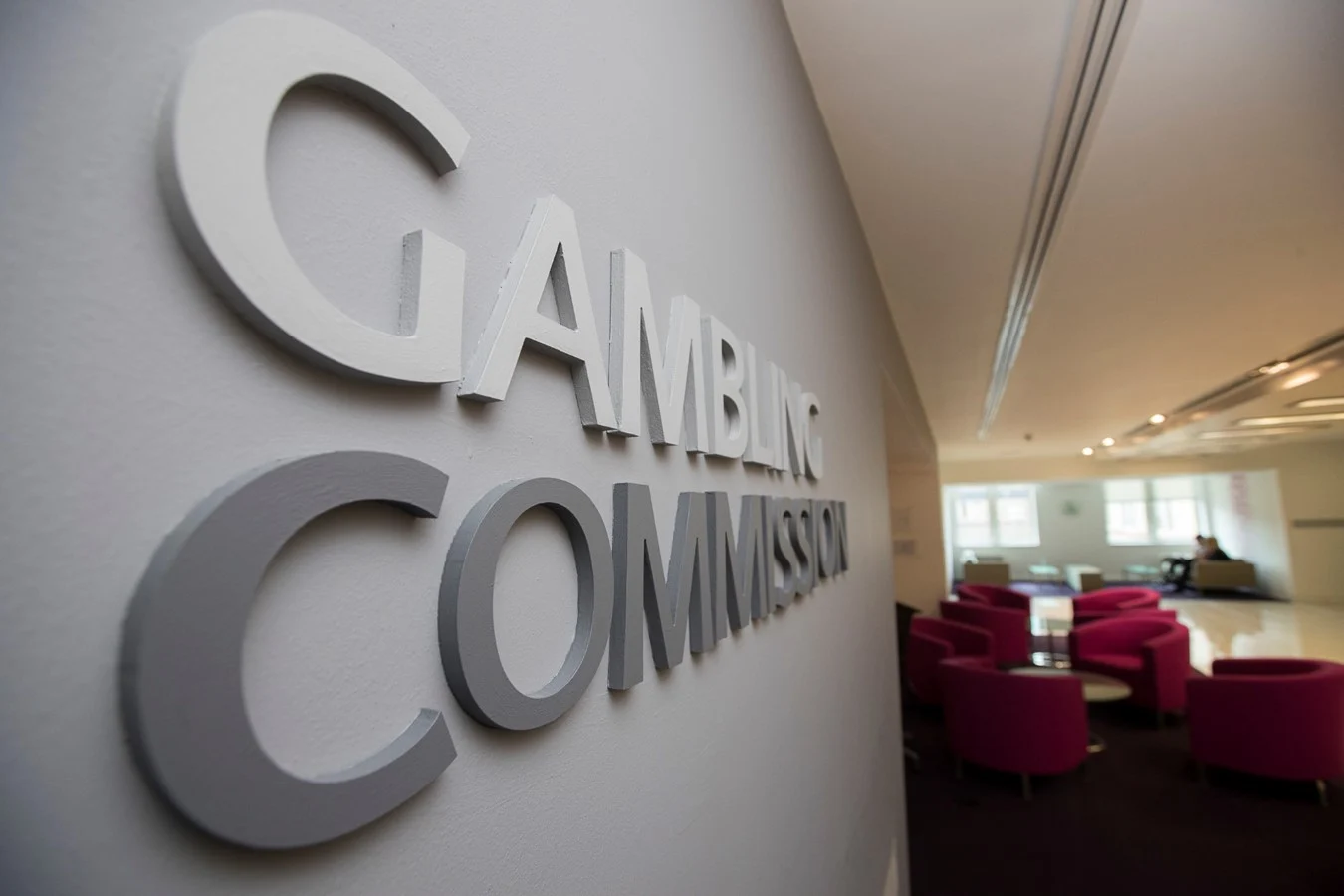
On Wednesday, L & L Europe Limited agreed to pay £900,000 ($1.2 million) to the UK Gambling Commission following a detailed regulatory review that revealed several serious deficiencies in their operations.
The findings included unlawful delays in customer withdrawals, lack of effective anti-money laundering (AML) controls, and inadequate protections for vulnerable gamblers. The Gambling Commission's compliance assessment of L & L Europe’s remote operating licence (No. 038758) ensued after concerns emerged during an audit. This licence encompasses seven gambling platforms, including allbritishcasino.com, casinocasino.com, and hypercasino.com, with the identified breaches occurring between October 2024 and October 2025.
The Commission criticized a specific clause in L & L Europe's terms and conditions that permitted just “one withdrawal at any time.” This policy necessitated that customers wait for approval on a prior withdrawal before making another. The regulator deemed this clause "unfair within the meaning of the Consumer Rights Act 2015."
Moreover, the review found that a manual review process was inconsistently applied, with some customers subjected to scrutiny for every fifth or tenth withdrawal. Consequently, customers were often asked for additional, sometimes untimely, information at withdrawal requests instead of earlier in the process.
Sue Young, the Gambling Commission's executive director of operations, stated, "As a regulator, we expect consumers to be treated fairly. A basic expectation is that when you have winnings, you can withdraw those swiftly without hindrance from unfair terms and conditions or the operator failing to carry out checks at an earlier stage." Young highlighted the significance of maintaining consumer trust, along with addressing any AML breaches. "That is essential to consumer trust… We hope this case sends a clear reminder to the industry that, although much of our enforcement action frequently relates to anti-money laundering and social responsibility failings, we will not hesitate to act when we see incidents of gambling not being fair and open."
The review also uncovered major gaps in L & L Europe’s AML and counter-terrorist financing measures. The operator showed an over-dependence on financial thresholds and sampling for risk assessments, which led to unclear risk scoring and insufficient differentiation between UK-based customers and those from other regions. Policies aimed at managing disproportionate spending were inadequate, lacking effective strategies to address the risks posed by high-spending customers. In some cases, customer due diligence protocols were not followed, including accepting a customer’s source of funds without proper verification.
These issues violated Licence Condition 12.1.1, which requires a proper risk assessment and the implementation of robust AML controls.
The Commission also identified inadequacies in L & L Europe’s measures for protecting vulnerable customers. Alerts meant for safer gambling were primarily linked to financial limits and applied inconsistently across their platforms, needing several indicators within a single day to prompt action. Automated responses to significant warning signs were minimal, as only one indicator, related to lost funds within 24 hours, was operational during the review.
Instances flagged by the regulator included a customer who failed to execute 84 deposits in a week without any alert, and a 21-year-old who lost £6,500 in just three days without appropriate intervention. An 18-year-old's rapid loss of £4,000 in a mere eight minutes also illustrated the lack of proper safeguards.
Instead of imposing a formal penalty, L & L Europe consented to provide £900,000 to the consolidated fund and to cover the costs of the investigation. The Gambling Commission cited aggravating factors, including the severity and recurrence of previous failings highlighted to the industry. However, mitigating circumstances like the operator’s cooperation, swift corrective actions, and early acknowledgment of the regulator’s findings were also considered.
Additionally, the Gambling Commission is set to intensify its scrutiny of AML failures in land-based gambling, having seen the Rank Group agree to pay over £5 million in a financial settlement earlier this month.

