
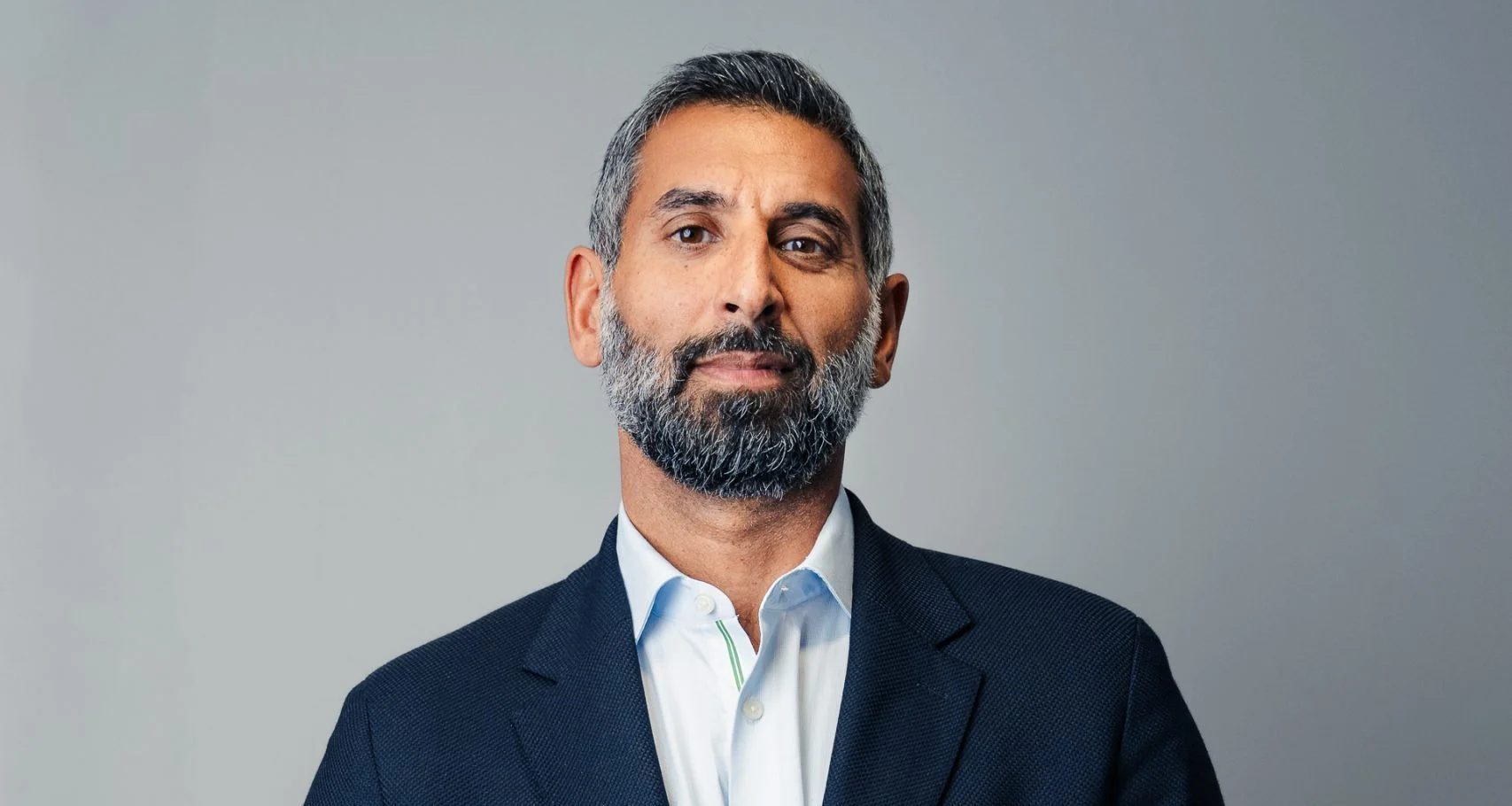
Khalid Ali, the chief executive of the International Betting Integrity Association (IBIA), highlighted that the challenges associated with betting-related match-fixing are not unique to Africa. According to the IBIA, criminals exploit similar vulnerabilities worldwide, such as poor governance, financial issues, lack of integrity education, and inadequate reporting structures.
What distinguishes Africa, Ali noted, is the rapid growth of its regulated betting market and the varying degrees of regulatory maturity across different regions. The IBIA’s 2025 Sports Betting Integrity Report, utilizing data from H2 Gambling Capital, reveals a significant projection for Africa’s betting market; gross gambling revenue is expected to soar from $3.5 billion in 2021 to $19.4 billion by 2030. Online betting, in particular, is anticipated to surge to $16.4 billion, with $13 billion—approximately 79%—coming from regulated onshore operations.
Ali views this growth not just as a challenge but as an opportunity. "Digital, account-based betting generates valuable intelligence that licensed operators can use to identify suspicious activity before it escalates," he explained. Football remains the primary betting focus, with about 90% of IBIA's global football alerts sourced from customer accounts located outside the relevant jurisdictions.
He stressed that integrity issues cannot be resolved solely at the national level. The IBIA adopts a strategy that blends global monitoring with local partnerships, allowing quick sharing of suspicious betting patterns among operators and authorities.
However, Ali urged caution in interpreting alert numbers. He clarified that "it is impossible, and potentially misleading, to conclude that more alerts automatically mean more match-fixing." From 2021 to 2025, the IBIA recorded 117 alerts related to African sporting events, with 31 occurring in 2025, representing about 10% of all global alerts. In the first half of 2026, there were 17 alerts—a figure Ali sees as consistent rather than indicative of a significant rise in match-fixing.
He noted several key factors impacting these numbers; the increasing betting activity, the entry of more Africa-focused operators into international integrity networks, and the availability of more account-level data through regulated online betting.
Ali emphasized that alerts should be viewed as intelligence necessitating further investigation rather than conclusive proof of manipulation. Many increased alerts indicate enhanced effectiveness within integrity systems. The critical measure, he stated, is whether suspicious activities are identified promptly and effectively followed up by the relevant authorities.
The majority of alerts recorded between 2021 and 2025 focused on football and tennis. When questioned whether this reflects detection of issues or the prevalence of actual manipulation, he suggested it was primarily about monitoring. "An alert indicates that suspicious betting activity has been identified, warranting investigation by the authorities," he remarked. This alert pattern, particularly in football, corresponds to high betting demand and extensive monitoring activities observed by the IBIA.
Ali explained that betting integrity transcends national boundaries, with alerts linked to African events often involving bets placed from Europe, Asia, or other regions. This international perspective underlines the importance of global oversight; combining account-level intelligence from various jurisdictions allows for the identification of complex betting patterns.
Some African sports federations have begun imposing betting restrictions on their domestic competitions due to integrity concerns. Ali acknowledged the rationale behind these restrictions but questioned whether they effectively eliminate betting or merely drive it to less regulated markets. He highlighted the importance of visibility in regulated environments, where licensed operators can monitor customer activity and report suspicious behavior.
According to Ali, the best integrity outcomes arise from well-regulated markets with strong channelization, enhancing the detection of suspicious activity. "The goal should be to create an environment conducive to effective monitoring and information sharing that safeguards both sports and consumers," he stated.
The current challenge, Ali suggested, lies more in the follow-up process after detecting suspicious betting than in detection itself. "An alert is the beginning of an investigation, not the end," he clarified. Successful outcomes rely heavily on a robust integrity ecosystem that includes regulators, law enforcement, and sports governing bodies equipped with legal authority and investigative resources to act promptly on intelligence.
He highlighted that, due to the international nature of betting, alerts concerning African sports events frequently require multi-national cooperation for investigation. To bridge the gap, strengthening legal frameworks and enhancing cross-border information sharing, alongside investment in specialized investigation capacity, could expedite the movement from detection to enforcement.
IBIA's collaboration with the African iGaming Alliance has established a structured platform that facilitates engagement with regulators, operators, and policymakers across over twenty African jurisdictions. Ali expressed a desire to embed integrity protocols into licensing frameworks continent-wide. He pointed to jurisdictions like Ontario and Alberta as exemplary models, where licensed operators are required to engage in formal integrity monitoring and establish clear communication channels between stakeholders.
Reflecting on the future, he remarked that as Africa’s betting markets evolve, there is a unique opportunity to integrate integrity measures from the outset into regulations. This proactive strategy could bolster trust in both the sports and regulated betting landscape in the long run.

