
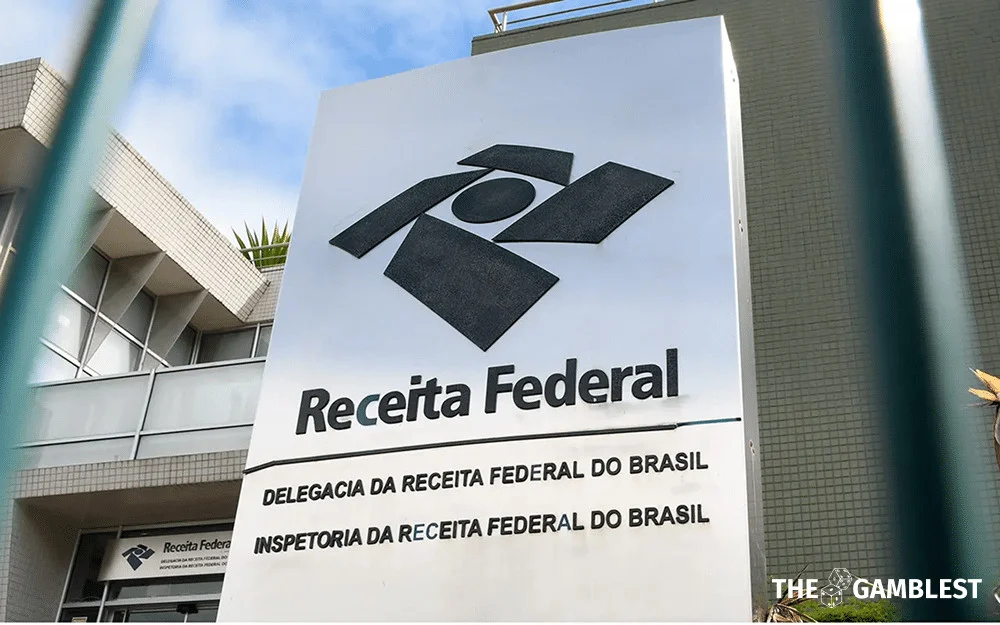
In the first nine months of 2026, Brazil's tax revenue from betting and gambling reached R$11.116 billion, a figure that also accounts for revenues from Caixa lotteries. This figure arrives just before a nationwide betting ban threatens to disrupt licensed operators and jeopardize future revenue growth.
According to data released by Brazil's Federal Revenue Service on October 22, tax collections from the sector totaled R$1.206 billion in September, reflecting a 3.7% increase from the R$1.163 billion reported in August. However, this amount was 7.94% lower than the estimated R$1.310 billion collected in September 2025. September served as the final month of operation for licensed betting operators prior to the enactment of Provisional Measure 1,394/2026, which imposes restrictions on the sector.
From January to September, fixed-odds betting companies contributed R$3.72 billion to legally mandated beneficiaries outlined in Law No. 14,790/2023, which includes allocations for sports, tourism, and public security. Furthermore, they generated R$3.14 billion in federal taxes and contributions, according to Marcelo Gomide, the Federal Revenue Service’s coordinator for Forecasting and Analysis. Claudemir Malaquias, head of the agency’s Center for Tax and Customs Studies, noted that while some gambling-related revenues would persist, the upcoming restrictions would not encompass all forms of betting and lotteries.
The revenue numbers for the first three quarters of 2026 have already exceeded those from the previous year. However, the impending ban on fixed-odds betting threatens prospects for sustained financial success. BNL data had previously anticipated that total annual income might fall between R$14.6 billion and R$15.5 billion in 2026. This forecast is now in jeopardy due to the lack of reported revenue from fixed-odds betting, shifting the focus towards alternative revenue sources, such as Caixa lotteries.
The fixed-odds betting segment accounted for R$6.86 billion in taxes and contributions during the first nine months. The repercussions of the ban may extend to public sector beneficiaries, with BNLData suggesting that the prohibition could jeopardize R$18 billion in revenue for lawful recipients through the expiration of current licenses.
The future of the provisional measure remains uncertain, as it must be approved by Congress to stay in effect. Additionally, there are ongoing lawsuits challenging the ban, currently awaiting a ruling from Justice Luiz Fux in the Supreme Federal Court, anticipated after the second round of elections.
The financial implications highlighted by September's figures underscore the ongoing disputes regarding Brazil’s betting regulation policies.

