
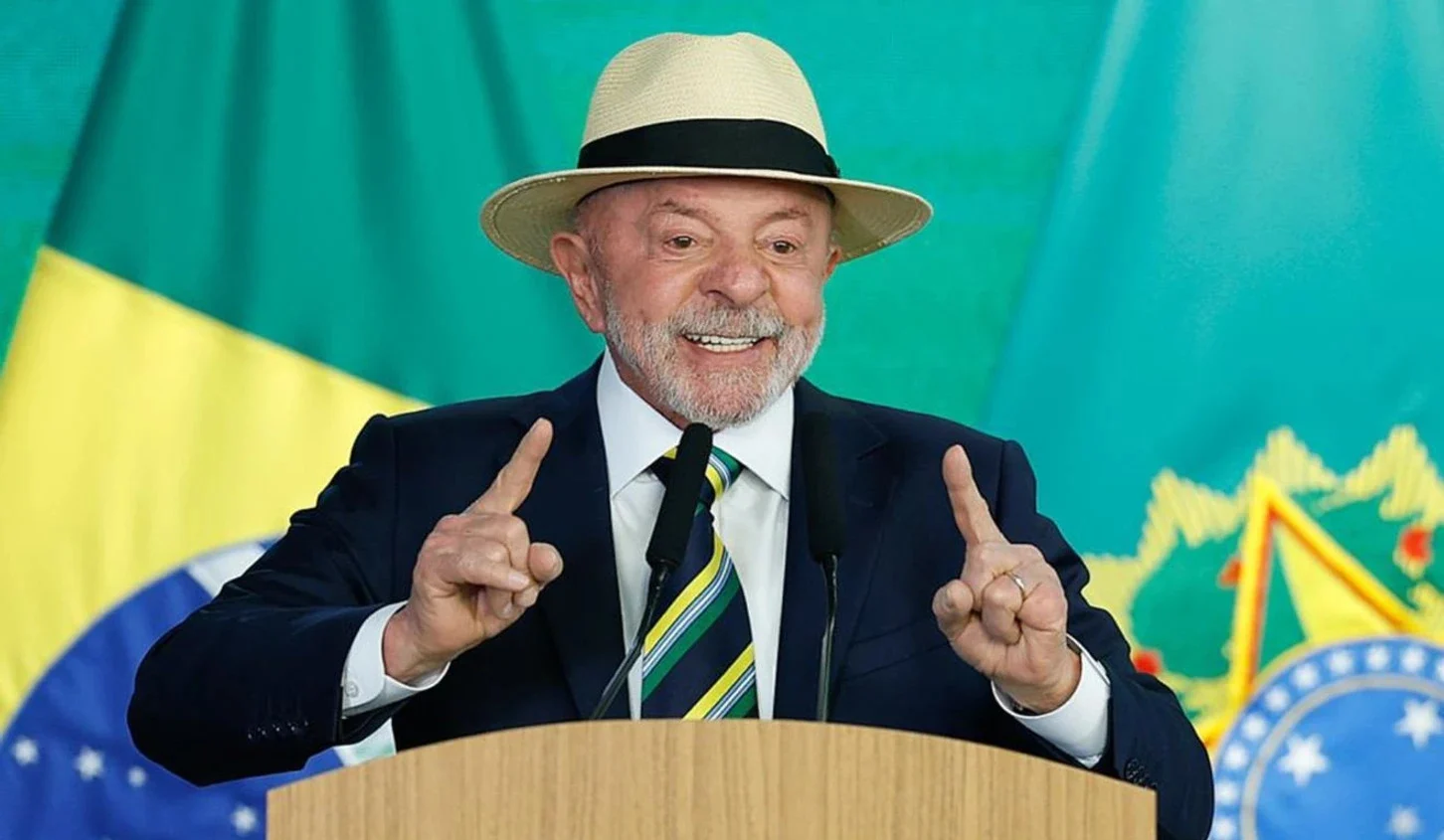
The Superior Electoral Court (TSE) in Brazil confirmed Lula's re-election as president on Sunday, with the incumbent receiving nearly 52% of the vote, while his opponent, Flávio Bolsonaro, garnered just over 48%. The election underscored the narrow margin of victory, with Lula leading by just over 4.3 million votes.
Lula’s anti-betting position was influential in the establishment of MP 1,394, which brought about the ban on gambling. With his electoral victory, Lula is likely to intensify his criticism of the betting industry, as his campaign framed the election as a referendum on gambling.
The battle over the provisional measure resumes on Monday, with challenges expected in both the Supreme Federal Court (STF) and the National Congress. Following the approval of Provisional Measure 1,394, Lula emphasized that the gambling ban aims to safeguard financially burdened families.
After winning the election, Lula’s stance against gambling is expected to be more forceful, despite the importance of tax revenues for public coffers. Prior to the second round, he promised that gambling would remain banned, not recognizing that the final decision rests beyond his authority.
The STF has the initial responsibility of determining the constitutionality of the provisional measure. Various parties, including stakeholders in the betting industry and football clubs, have lodged actions challenging the ban. Minister Luiz Fux, the matter's rapporteur, has indicated that a ruling will be forthcoming after the electoral process concludes.
As a constitutional expert, Fux is tasked with evaluating whether the provisional measure infringes on contracts, could lead to significant job losses, and whether it ultimately halts gambling altogether. The challenges of enforcing such a ban are considerable, and there is a real possibility that gamblers will simply migrate to the illegal market. Many observers predict that Fux may lean towards revoking the measure due to its apparent unconstitutionality.
The provisional measure has already strained Brazil's reputation as an investable country. It has negatively impacted operators who invested BRL30 million ($6 million) for five-year concessions, in addition to BRL5 million in reserves. These operators ceased operations for over a month, incurring losses of about BRL1.2 billion in revenue. In turn, the government has missed out on over BRL400 million in tax revenue stemming from various taxes on gaming activities.
The licenses for the betting operations are set to expire on Sunday. Should the STF nullify the provisional measure, the licenses would retain their validity.
In the National Congress, another critical venue for the battle over gambling regulation, a Joint Committee has been formed to address Provisional Measure 1,394. This committee consists of 12 senators and 13 representatives, with additional designated alternates, totaling 26 members from each house. As it stands, the committee has yet to appoint its leadership and has not officially convened.
According to legislative regulations, Congress has until November 25 to consider the provisional measure, with a potential extension of 60 days if requested. However, from November 9, Congress will face a blockage on its agenda until the measure is voted on.
In recent months, Lula exerted considerable influence over legislative processes in the Chamber of Deputies and the Senate, successfully advancing measures aligned with his priorities. Yet, his current situation is markedly different. With limited maneuvering room, sustaining the provisional measure will be challenging. Even if he manages to keep it active, a vote by November 25 seems improbable. Consequently, Lula will confront a more formidable opposition than previous executive leaders have faced, particularly given that the PL party, representing his electoral rival, has secured significant majorities in both congressional houses.
Current discussions indicate that betting businesses could resume operations, albeit restricted to sports betting and excluding online casinos. The pivotal question now involves the validity of licenses that lapsed on October 25, 2022. Congress will ultimately decide whether these activities can restart or if new licenses will need to be submitted for approval.

