
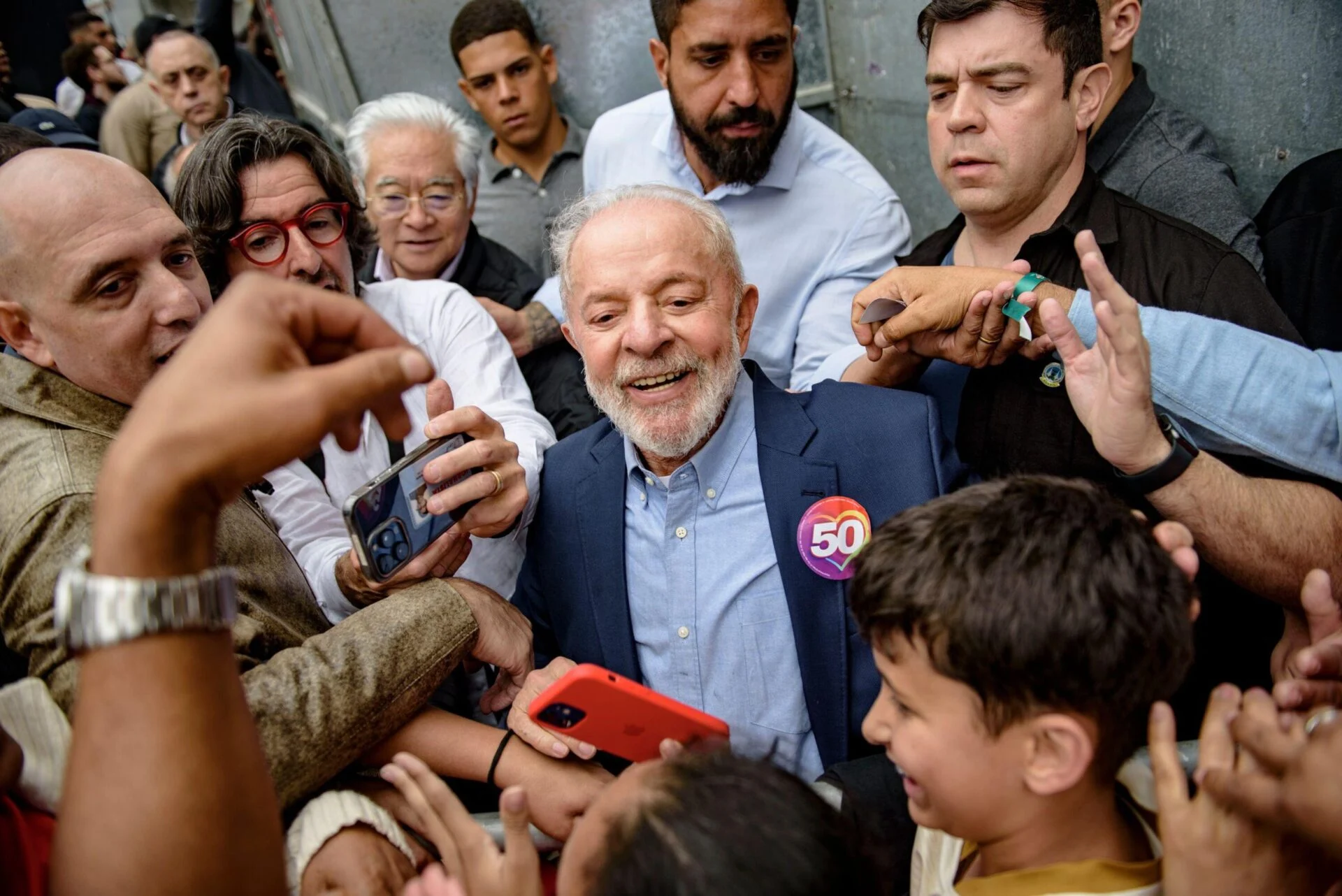
President Luiz Inácio Lula da Silva has long expressed opposition to Brazil's gambling sector, but a recent decisive action has generated significant turmoil within the industry. On September 25, Lula issued a provisional order to completely ban online gambling across the country. This ban took immediate effect and will remain in place for a maximum of 60 days unless endorsed by Congress, with an option for an additional 60-day extension. Various operators plan to contest this ban legally, with industry trade groups already initiating proceedings in the Supreme Court.
The ramifications of the ban are severe. Brazil's regulated gambling market, previously valued at around $7.7 billion based on data from H2 Gambling Capital, is now in jeopardy. Approximately 15,000 jobs—both direct and indirect—are associated with the sector, and from January to August of this year, it contributed $1.87 billion in federal tax revenue. Additionally, Brazilian football clubs have voiced concerns about how the loss of gambling sponsorship revenue will impact the country's football landscape.
Alberto Alfieri, co-founder of Blokotech, remarked, "From a business perspective, this puts Brazil in a bit of a bad light because when there is no certainty, the businesses are not going to flow in. There was not much thinking about the consequences."
This ban is interpreted by many within the industry as a strategic populist maneuver to gain favor with voters as the presidential election approaches.
Lula and Flávio Bolsonaro are facing off in a tight runoff election on October 25 after neither candidate secured more than 50% of the votes in the first round. Bolsonaro captured 47% while Lula received 45%, positioning Bolsonaro with significant momentum going into the final vote. Alejandro Navarro, founder of the Panama-based operator Betski, noted, "I think it’s a bit of a political move by the president with nine days to the election."
Political analyst Bruno Centurion from Fatto Inteligência Política pointed out that while the measure itself may not be populist, its timing is notably so. He explained that discussions about such a ban have persisted in Brazilian politics for years, backed by genuine albeit contested arguments, and do enjoy some public backing. However, the timing—just a week before the election—is likely crafted to maximize immediate political benefits.
Public sentiment toward the ban appears relatively favorable. Recent research by AtlasIntel and Bloomberg revealed that 75% of respondents supported a gambling ban, with only 17% favoring legalization. Further polling conducted by Quaest after the announcement showed 62% of Brazilians in favor of the gambling ban, while 38% opposed it. Those familiar with the ban were split: 40% supported it, while 28% disagreed. Interestingly, 36% of survey participants attributed the rise of gambling in Brazil to Lula, in contrast to 25% who held Bolsonaro accountable.
In the wake of the provisional order, industry trade groups have filed claims with the Supreme Court to contest the ban. The attorney general's office has requested 72 hours to respond to this legal challenge. Simultaneously, authorities have initiated lawsuits against 17 betting companies for alleged moral damages associated with betting. Following the ban, hundreds of illegal gambling sites emerged—over 500 were disabled by the Ministries of Justice and Finance shortly thereafter.
Centurion asserts that the gambling ban must be viewed within the context of a broader array of policy proposals by Lula, which also includes a notable 15% increase in the Bolsa Família welfare benefit and free obesity vaccinations, addressing rising living costs. While Lula's government is impacted by the cost of living crisis, gambling is perceived as draining household finances. Centurion noted, "When you put all these measures in a basket, it can change the vote."
Poll data suggests a rise in Lula's approval among key demographics, particularly among women, low-income voters, and welfare beneficiaries correlating with his recent announcements. Polling firm Quaest indicates that women, Catholics, and lower-income individuals particularly favor the gambling ban.
Despite possible short-term benefits from the gambling ban for Lula, the longer-term effects on voter sentiment can be complicated. As Lula and Bolsonaro vie for the favor of women—especially low-income women— and religious voters in populous regions like São Paulo and Rio de Janeiro, there is also the potential for backlash from individuals and communities negatively affected by the ban. With approximately 15,000 jobs at stake, anger from the workforce and nearly $2 billion in lost tax revenue can influence the political landscape significantly, although Brazil's large population dilutes these concerns.
Prediction markets indicate that Bolsonaro currently holds the advantage. As of October 5, platforms such as Polymarket and Kalshi reflected an 84% and 83% likelihood of a Bolsonaro victory, with Lula’s chances at 17%. Prior to the first voting round, some analysts positioned the odds at 55%-45% in favor of Lula.
An eventual Bolsonaro victory would likely be viewed as more favorable for the gambling sector. Bolsonaro criticized Lula's ban as "populist, hypocritical and politically motivated". Experts indicate there may be opportunities for the gambling sector under a Bolsonaro presidency, though outcomes will heavily rely on the construction of Congress and its religious factions that have historically thwarted efforts to liberalize gambling policies.
Both candidates’ stances will shape the future of the gambling industry in Brazil. Centurion predicts that under a Lula presidency, significant opposition to gambling legalization will persist, while industry stakeholders may seek dialogue to address job losses and tax concerns. In contrast, Congress's makeup could greatly influence the extent to which Bolsonaro might pursue gambling reforms.
Regardless of the outcome, stakeholders anticipate a challenging road ahead as the sector struggles to return to its former legal status. Navigating the political and legislative landscape puts trust in Brazil's gambling industry at risk, as many operators express concern over the sudden policy changes—a sentiment echoed by Betski's Alejandro Navarro, who articulated the grave implications of abrupt decisions in this sector.

