
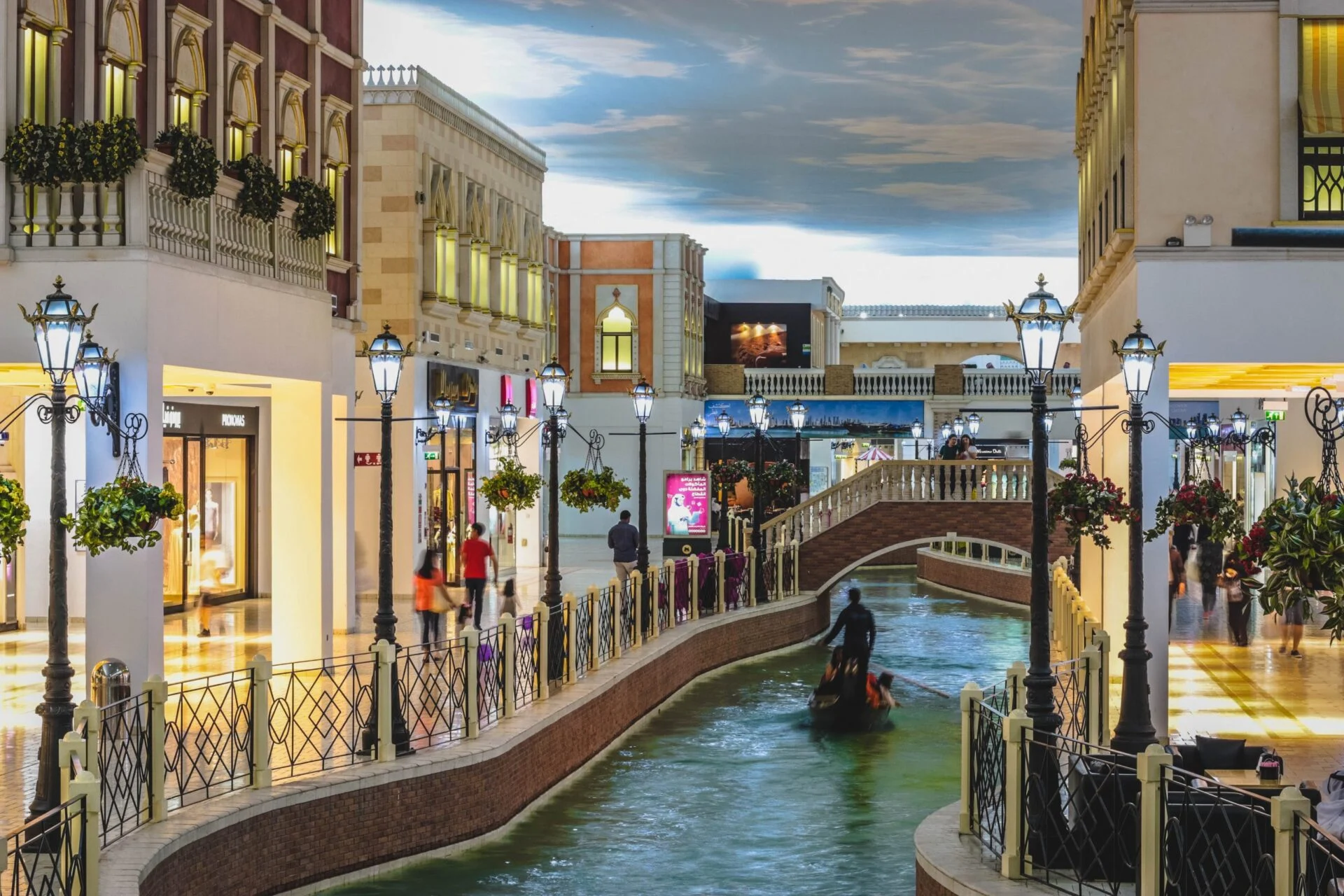
Last week, the Venetian casino reached a $7.2 million settlement with the Nevada Gaming Control Board (NGCB) due to anti-money laundering (AML) violations connected to illegal bookmaker Mathew Bowyer. This incident echoes a trend of regulatory and ethical concerns that have emerged throughout the final decade of operations for Las Vegas Sands, the largest casino operator in the world.
Sands sold the Venetian to Apollo Global Management in 2021, marking its official departure from the Las Vegas market. The company has since shifted focus entirely to Macau and Singapore following stalled expansion attempts in Texas and New York. Even though Sands maintains its headquarters in Las Vegas, its casinos have changed hands, and its digital sector was closed last year.
Bowyer has been at the center of $34 million worth of AML fines across four different Las Vegas operators. He was a patron at the Venetian from its opening in 1999, but the major violations occurred between 2019 and 2021, just before Sands sold the property. The NGCB found that the Venetian failed to verify Bowyer's source of funds starting in 2019 and did not formally ban him until 2024, long after Apollo took ownership. During the two-year span, Bowyer visited the Venetian 30 times, deposited $22.3 million, and lost $3.6 million.
The NGCB has not made any comments pending further examination by the Nevada Gaming Commission, and Sands has not responded to requests for comment.
Upon returning to the Venetian in 2019, Bowyer was among the leading illegal bookmakers in the country. He gained notoriety as the bookmaker for Ippei Mizuhara, who embezzled millions from MLB star Shohei Ohtani to wager with Bowyer. Early concerns about Bowyer’s gambling activities were downplayed by Sands, despite an internal review that sought to address them. A third-party due diligence report from 2021 also raised issues that were overlooked, and by then, Bowyer’s Sands host was aware of his illegal activities but failed to report him.
Bowyer's case is reminiscent of that of Zhenli Ye Gon, a puppet in a prior scandal involving Sands. Gon, wanted for drug trafficking and extradited to Mexico in 2016, was labeled by federal prosecutors as the "largest all-cash, up-front gambler the Venetian-Palazzo had ever had" during his stays in the early 2000s. Sands did not adequately examine Gon's finances despite his transfers of approximately $45 million and deposits of $13 million worth of cashier's checks at the Venetian between 2005 and 2007. It wasn't until April 2007 that Sands filed any suspicious activity reports.
To settle with the federal government in 2013, Sands forfeited $47.4 million as part of the Gon case, thus avoiding criminal prosecution. Prosecutors at the time acknowledged that Sands had undertaken efforts to improve its compliance program, which contributed to the decision against pursuing criminal charges.
Additionally, the success of Sands in the Gon case may have benefited from political intervention by Harry Reid, then the Senate majority leader, who was involved when the Gon investigation concluded. Emails from journalist Jon Ralston revealed that Reid claimed his influence aided Sands, suggesting coordination with its founder, Sheldon Adelson.
Another significant scandal emerged in 2010 when former Sands China CEO Steven Jacobs alleged wrongful termination, claiming that Adelson pressured him to exert influence against Chinese officials. In subsequent years, Sands sought an amicus brief concerning Jacobs’ lawsuit, prompting the NGCB to become involved in an ethics investigation after a recorded conversation between then-Nevada attorney general Adam Laxalt and NGCB chair AG Burnett surfaced.
In 2016, Sands faced substantial financial repercussions: it settled with Jacobs for over $75 million, paid $2 million to Nevada regulators for violations related to the Gon case, and accrued an additional $9 million fine from the Securities and Exchange Commission due to inconsistent financial reporting. In response, Adelson stated that Sands was committed to developing a strong compliance program, building on existing policies to prevent further issues.

