
In the second quarter, Macau's three leading operators—Las Vegas Sands, MGM China, and Wynn Resorts—experienced a temporary decline in visitation and gaming activity, influenced by the FIFA World Cup. The focus on football resulted in lower rolling volumes and mass-market play. However, operators noted a rebound beginning in July, with trends improving as the summer progressed into August.
A key takeaway from this period is that sustained investment in luxury accommodations, premium gaming, hospitality, and entertainment is becoming vital for growth. Such investments are crucial for attracting new customers, encouraging longer stays, increasing VIP rolling volumes, and ultimately enhancing player engagement.
In contrast, Singapore proved to be remarkably resilient during the same quarter. Marina Bay Sands reported strong financial results, demonstrating that it could thrive despite reduced regional visitation.
For Las Vegas Sands, Marina Bay Sands delivered an impressive EBITDA of $689 million, surpassing expectations by $37 million, alongside a 5% year-on-year increase in mass gaming revenue. This growth occurred amid the disruptions caused by the World Cup, highlighting the property’s strong operational model and capacity to maintain earnings even during weaker tourism periods.
Patrick Dumont, Chairman and CEO, expressed confidence in Marina Bay Sands’ long-term prospects, attributing its success to significant investments in product enhancements and successful high-value customer strategies. He emphasized the company's commitment to further elevate its hospitality and entertainment options through continued investment.
Macau's EBITDA reached $430 million, falling short of expectations by $87 million due to lower-than-anticipated rolling play, while the business generated $1.79 billion in gross gaming revenue, down 0.4% from the previous year. Critics attributed this drop primarily to a VIP rolling hold of just 1.35% for the quarter, although positive indicators such as a 73% year-on-year rise in rolling table volumes and a 30% increase in slot handle were noted as encouraging.
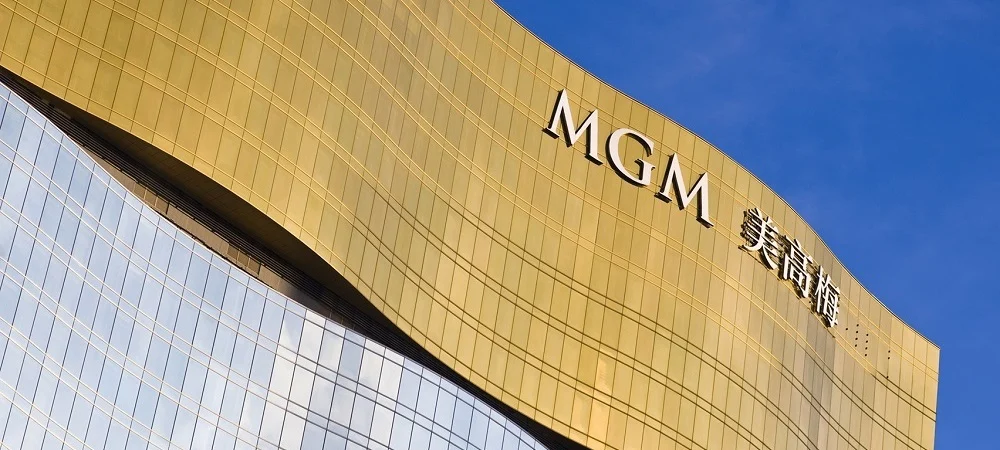
MGM China reported a record net revenue of HK$17.4 billion ($2.21 billion) and adjusted EBITDA of HK$4.8 billion ($612 million). April and May produced robust gaming volumes, with June witnessing a slowdown due to the tournament's impact on visitation patterns. There were signs of recovery throughout July, with normalized gaming revenue and property visitation returning to pre-tournament levels, supported by a calendar of upcoming concerts and events.
Management highlighted strong yields from their premium investments as a foundation for optimistic business forecasts. Recently, MGM China unveiled a 40,000-square-foot premium gaming area at its Cotai location and plans renovations on about 100 suites at MGM Macau.
Looking forward, MGM is positioning for long-term growth, especially with the MGM Osaka project poised to open in autumn 2030, further expanding the group's presence in Asia. Bill Hornbuckle, President and CEO, conveyed strong optimism regarding the future of MGM's operations in Asia.
Similarly, Wynn’s second-quarter performance was significantly bolstered by Macau, with Wynn Palace’s revenue climbing 21% year-on-year to $653.4 million, while results from Las Vegas remained largely unchanged. The positive outcomes in Macau were reflected in a $306 million adjusted EBITDA from VIP operations, even though a weaker VIP hold reduced overall performance.
As Wynn anticipates the third quarter, both rolling chip volumes and mass drop have shown slight declines year-on-year, attributed to World Cup effects and seasonal trends. However, recovery signs have emerged as the months progressed, with performance improving since late July.
Wynn also announced its plans for a property on Al Marjan Island in the UAE, with an expected opening in 2027, following development delays due to regional challenges. The total budget for this project has increased by approximately $600 million due to rising costs and development disruptions.

