
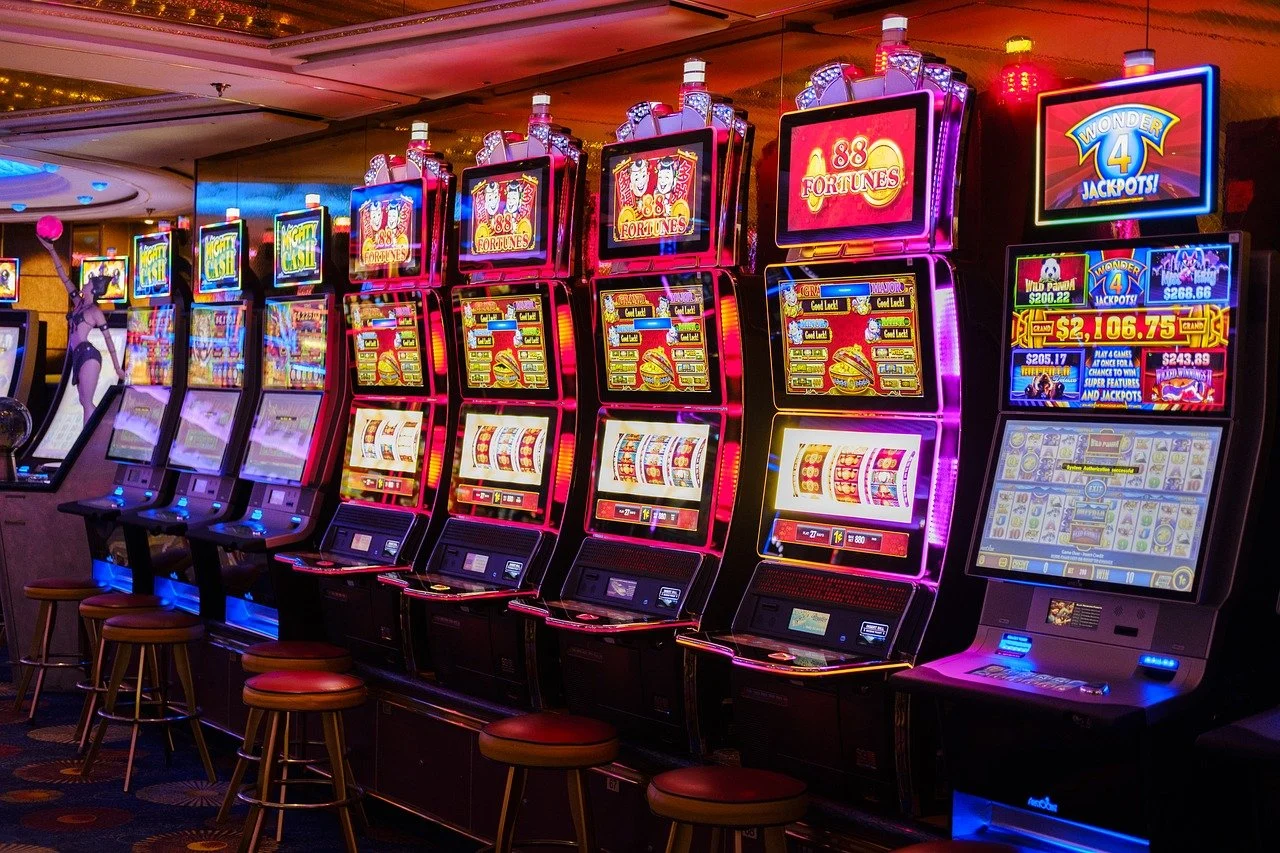
Adult gaming centers (AGCs) focus exclusively on gaming machines and operate without taking sports bets. Many of them remain open around the clock, with reports indicating that hundreds function continuously. As betting shops shutter, arcades have increasingly filled these vacant spaces, becoming emblematic of the decline many perceive in Britain’s high streets.
Andy Burnham, the British prime minister, has expressed a particular disdain for AGCs. A Labour party source revealed to The Times, “Andy hates adult gaming centres.” The Treasury is reportedly considering a change in the machine games duty (MGD) for the upcoming budget on October 28, aiming to possibly raise the tax specifically on AGCs and betting shops. For businesses, which derive all their income from machine operations, the potential increase in taxation could be severe.
While AGCs have become a focal point in political discussions, their market presence remains relatively small. Dan Waugh, a partner at Regulus Partners, pointed out that according to the Gambling Commission, AGCs account for only about 4% of gambling spending in the licensed market. They compete solely with betting shops in the area of machines, where they capture roughly a quarter of the total licensed spending, while betting shops dominate with nearly half of that spending in 2024/25.
The dynamics started shifting in 2019 when the government imposed a £2 cap on maximum stakes on fixed-odds terminals. Waugh notes that this decision pushed machine spending away from bookmakers to other venues like casinos, bingo clubs, and AGCs, particularly as betting shops closed their doors.
Bookmakers recognize this shift, although quantifying its impact proves challenging. An unnamed spokesperson for a major UK betting operator acknowledged that while AGC revenues are rising, betting shop revenues are declining.
The cost of operating an AGC is significantly lower than that of a betting shop. Operators claim that AGCs are categorized as hospitality venues, subject to lower business rates compared to the higher financial-services rate imposed on betting shops. Additionally, they have a different financial burden regarding regulatory levies and media-rights fees for racing broadcasts.
AGCs capitalize on longer operating hours, often catering to customers late at night after pub closures. While betting shops are limited in their number of higher-stake Category B machines, AGCs can offer a greater variety of machines, distributing the workload and attracting more players. A former pub transformed into an arcade last year illustrates the financial viability of smaller venues in this space.
Geographically, AGCs tend to congregate in some of Britain’s most disadvantaged areas, an observation supported by a report from the Social Market Foundation. Waugh attributes much of the animosity towards arcades to a form of snobbery, highlighting that data shows lower instances of problem gambling among arcade players compared to those using machines in pubs.
The regulatory framework is divided, with operators licensed by the Gambling Commission while local councils grant premises licenses. The Gambling Act 2005 obliges councils to allow applications meeting legal standards, limiting their authority to deny locating AGCs, which has led to calls for regulatory reform.
Burnham’s government seeks to empower local authorities by introducing Gambling Impact Assessments and indicating that the current “aim to permit” regulation may be revised. Advocates for gambling reform, such as Lord Foster of Bath, have been vocal about a lack of efficacy in the current framework, particularly regarding higher-stake machines.
In terms of fiscal policy, the MGD generates substantial revenue, bringing in about £600 million annually. The Social Market Foundation has proposed an increased rate of 40% for casinos and AGCs, potentially augmenting tax revenue significantly. However, if Chancellor John Healey pursues such increases, it could lead to substantial declines in AGC and casino operations, which are already suffering due to inflation and previous closures.
Stella David, CEO of Entain, which owns Ladbrokes and Coral, ardently opposes any rise in MGD. In a letter to the prime minister earlier this month, she warned that doubling the standard rate could cost the company an additional £100 million annually, predicting widespread shop closures and job losses across the industry. On October 15, during a third-quarter earnings call, she reiterated that an increase in duty could undermine efforts to revitalize an already struggling high street.
Bacta, the trade association for arcades, counters the argument for stringent taxation, asserting that lawful businesses should not be penalized for their operation ethos.
In light of these trends, some bookmakers are considering transitioning part of their operations into AGCs, taking advantage of existing leases and minimizing operating costs. However, Betfred has denied any intention to convert betting shops into arcades, with rising MGD potentially diminishing the appeal of such a shift.
Ultimately, Waugh warns that increasing taxes could encourage the growth of the black market, suggesting that illegal betting practices could thrive without effective enforcement. An estimated £1.6 billion is already spent in the illicit gambling sector. While Burnham aims to regulate AGCs, he risks driving away legitimate businesses, leaving a vacuum that could be exploited by illegal operators.

