
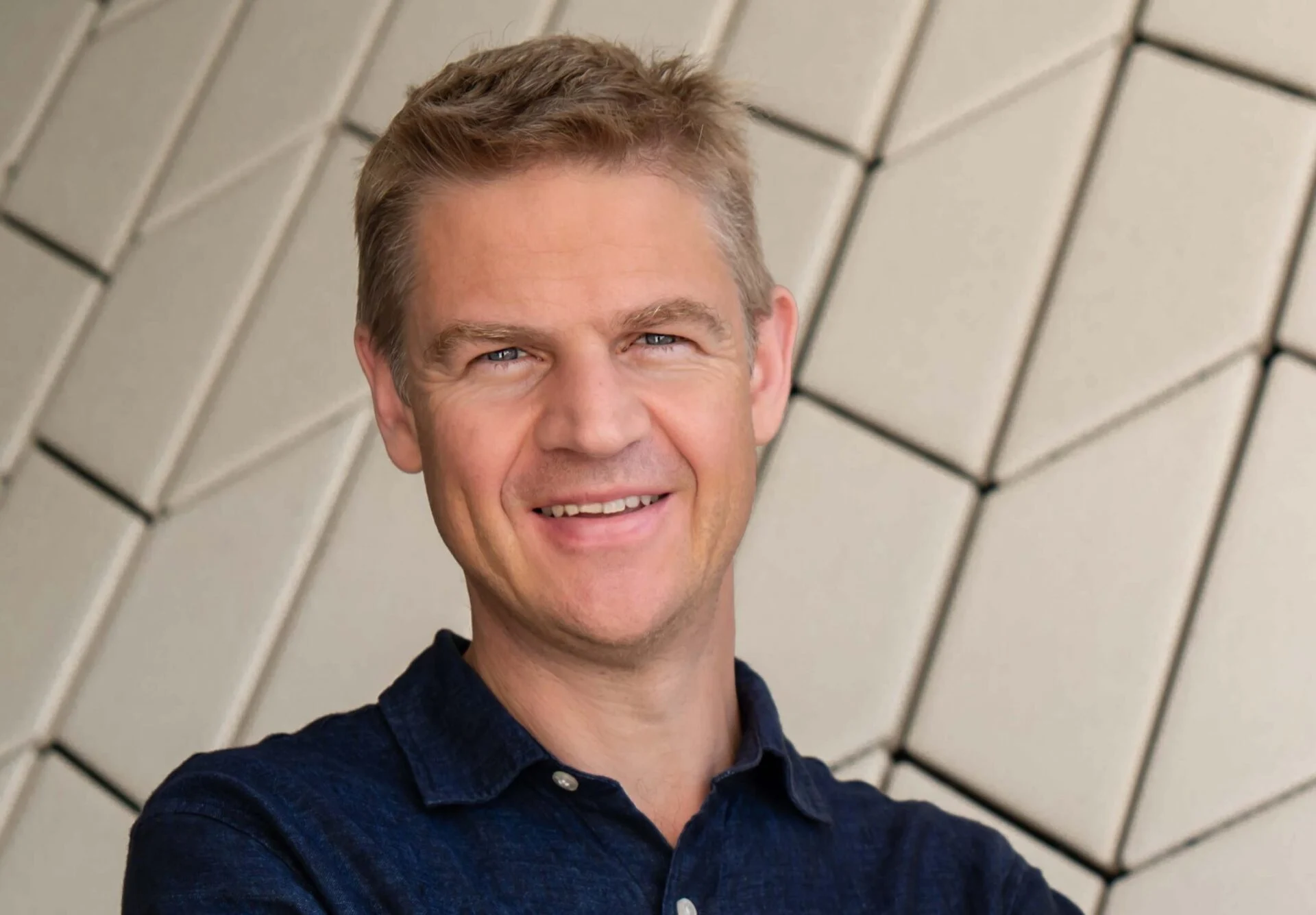
In an industry often stifled by over-regulation or exhaustion, Nigel Eccles, co-founder of FanDuel, announced a surprising move: he will shut down BetHog, a crypto casino he started with fellow FanDuel alumni, on July 31. This decision is made despite BetHog still functioning and growing, a product he describes as high quality. The reason for this closure is not a failure but a strategic refocus; all of BetHog’s resources—its engineers, technology, and insights—will be integrated into Sentient Studios. This new spin-off aims to develop a photorealistic AI dealer, which will offer a unique, human-less blackjack experience in real time.
Eccles views this shift as a significant opportunity, perhaps the most promising of his 25 years in the gambling sector. "We ran the risk that if we didn’t put 100% behind it, we’d fail at AI live dealer—the one thing we were really excited about," he told iGB, shedding light on his company’s rationale.
The evolution to this point was driven by disillusionment. The original premise behind BetHog, conceived with collaborator Rob Jones, was that a superior product would prevail in the competitive realm of crypto gambling. However, experiences revealed that the market is driven more by marketing than product quality. “I think we built a really great product,” Eccles commented, adding, “What we found was that crypto casino doesn’t really compete on product as much as marketing.” While it was possible to carve a niche in the crypto space, it was still a small fraction—less than 10%—of the overall online casino market. "We have a product here that is really unique," he maintained.
The AI project had initially been a sideline; it started last summer when the team implemented an AI dealer on BetHog. The data surprised them. Traditionally, live dealer games attract high-stakes players, which Eccles describes as a limited crowd. However, the AI tables drew in a broader audience, resembling a more accessible game, akin to the profitable slots market.
Player feedback provided additional insights. Many newcomers found human dealers intimidating and felt comfortable asking the AI dealer for advice, an interaction designed into the interface with a dedicated button. The turning point came in April during discussions with various operators, including large, regulated brands that had frustrations with traditional live dealer setups.
Eccles points to the rigidity of live casino development as a significant obstacle for operators wanting to adapt their offerings. Changing branding or studio setups typically required extensive timelines and investments. "We could probably do that in one to two weeks max," he asserted, noting the flexibility of the AI dealers in terms of appearance and customization. This efficiency allows operators to scale up or down as needed without facing prohibitive costs.
Enthusiastic responses from operators led Eccles to consolidate efforts into Sentient Studios. The company’s engineering team, all based in Britain, had shifted focus towards AI live dealer development, making dual operations untenable. "Gradually everybody moved over to AI live dealer, because that was the exciting thing to be working on," he explained.
Building this product, however, proved challenging. The simplicity of generating photorealistic videos contrasted sharply with the demands of responsiveness—requiring quick, realistic interactions that an AI dealer must execute. Eccles admitted the complexities were initially underestimated. Early prototypes displayed exaggerated reactions, leading to a more cartoonish initial experience. By April, photorealism had been achieved, with ongoing improvements enhancing the characters’ naturalness over time.
Eccles anticipates competition but believes established players, like Evolution, face an innovator's dilemma. Even as rivals pivot to emulate AI dealers, their prior skepticism—like calling such technology a deepfake—reserves their options. He forecasts that within five years, nearly 80% of live dealers will be AI avatars.
Two primary objections are often raised about this technology. Critics question the authenticity of an AI dealer, pointing to live interaction as a hallmark of the experience. Eccles challenges this notion, arguing that many players at live tables experience minimal social interaction. He suggests that trust in gaming can be built without physical dealers, citing the acceptance of virtual elements in the industry. With AI dealers, provably fair gaming can be ensured, alleviating concerns about trust that traditionally surrounded live dealers.
The second, sharper criticism relates to the regulatory atmosphere surrounding crypto gambling. While BetHog navigated the crypto-casino grey zone, Eccles contends the decision to close was not primarily driven by regulatory pressures. He emphasized the proactive steps taken to avoid problem markets and mentioned that BetHog was already exploring regulated licensing options. They assured that any remaining balances will be honored.
Eccles dismissed concerns about his ongoing lawsuit against FanDuel’s previous board, asserting it has no impact on the new venture. "At this point, it’s not significant," he stated.
Sentient now faces the unique challenge of its product being "too good"—notably in audio quality. Eccles highlighted that typical live dealers struggle with poor sound, while their AI dealers require modifications to make their audio less pristine to maintain the 'theatre' of the gaming experience. The transition from traditional to AI-driven experiences is a gradual one, as players who once resisted the idea of gaming against machines may find themselves embracing this new standard.

